Trachoma Disease
Trachoma is a chronic, contagious eye infection caused by serotypes A, B, Ba, and C of the bacterium Chlamydia trachomatis. It is a disease that can lead to blindness as a result of keratoconjunctivitis, pannus formation, and eyelashes turning inward, causing vascularization and scars in the cornea, and at one time it was the second most common cause of vision loss in Turkey after cataracts. It is considered the most common infectious cause of blindness, especially in developing countries. The World Health Organization (WHO) considers this disease among preventable causes of blindness.
What Are the Symptoms of Trachoma Disease?
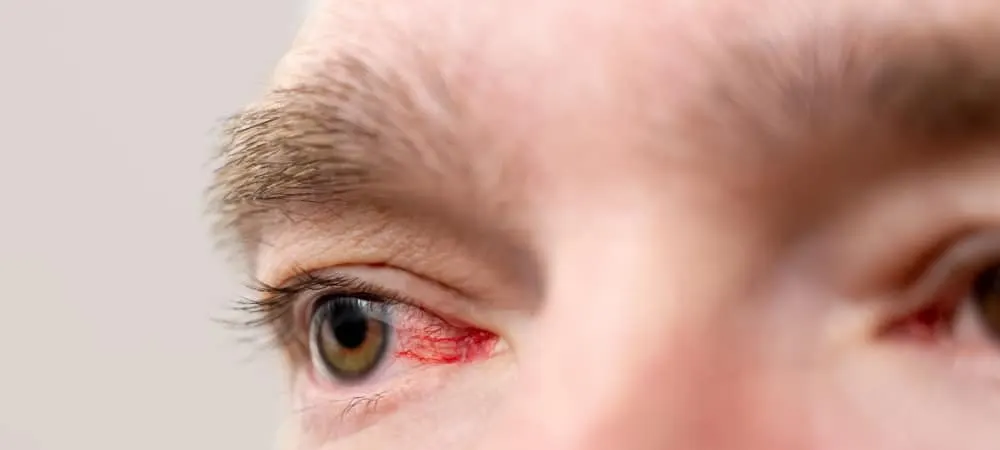
Trachoma is generally a slow-progressing disease. The initial infection may be mild, but recurrent infections can result in severe damage. Trachoma disease symptoms are divided into early-stage and advanced-stage symptoms. Early-stage trachoma symptoms include clinical manifestations such as watering and redness of the eye, foreign body sensation, photophobia (sensitivity to light), and mucopurulent (discharge-containing) secretion.
Advanced-stage symptoms of the disease include conjunctival scars, trichiasis (inward turning of the eyelashes), corneal opacities, and permanent blindness.
In advanced-stage trachoma, recurrent infections lead to scar formation on the inner surface of the eyelids. This scarring causes the eyelashes to turn inward (trichiasis) and results in constant irritation of the cornea. Consequently, the cornea becomes cloudy, and irreversible vision loss may occur.
What Causes Trachoma Disease?
The disease occurs in individuals infected with the bacterium called Chlamydia trachomatis. Trachoma is characterized by widespread follicular-type conjunctivitis and scar formation covering the eye conjunctiva. Over time, blindness occurs due to corneal ulcerations and a lesion called pannus. The bacterium causing the disease can be spread through direct or indirect contact with the eyes or nose of an infected person (via the shared use of clothing or other contaminated items that have come into contact with the eyes or nose of an infected person, or through houseflies).
Years of repeated infections must occur before the scarring on the eyelid becomes large enough to cause the eyelashes to rub against the eye. Because children cannot maintain adequate hygiene, they transmit the disease more frequently than adults. In addition, inadequate personal hygiene, crowded living conditions, and insufficient clean water and sanitation increase the spread of the disease.
Due to intra-family transmission, re-spreading of the disease among siblings is also common. Individuals in collective environments such as dormitories, nurseries, and schools should be more careful.
To reduce the transmission rate of the disease, treating not only the infected person but all close contacts together, improving environmental conditions, instilling protective habits such as facial cleaning, and public health education are of great importance in preventing the recurrence of trachoma.
How is Trachoma Disease Diagnosed?
Trachoma is mostly diagnosed through a clinical examination performed by a specialist physician. Characteristic findings (follicle, scar, vascularization) are detected on the inner surface of the eyelid.
According to the WHO clinical classification, trachoma is examined in five stages:
TF: 5 or more follicles
TI: Severe inflammation
TS: Scar formation
TT: Inward turning of eyelashes
CO: Corneal opacity that can cause blindness
Although different tests can also be used for diagnosis, these tests are generally not very accessible in the field, so the diagnosis is made through the evaluation of an expert ophthalmologist.
How is Trachoma Disease Treated?
The WHO recommends an integrated approach called SAFE to combat trachoma:
S (Surgery): Surgery for trichiasis
A (Antibiotics): Treatment of trachoma eye disease with azithromycin or topical antibiotics
F (Facial cleanliness): Facial cleanliness
E (Environmental improvement): Ensuring clean water and sanitation
Thanks to the SAFE approach, trachoma has reached the stage of elimination in many countries. Turkey is also among the countries that have achieved this success. The aim of preventing the disease is to increase access to clean water and reduce the number of infected individuals through antibiotic treatment. These steps involve the simultaneous treatment of all human groups where the disease is prevalent. Washing alone is not sufficient to prevent the disease, but it can be useful when combined with other measures.
Options for the treatment of trachoma eye disease are a single oral dose of azithromycin or topical (applied to a specific area) antibiotics called tetracycline. For patients who have developed trichiasis, surgical treatment is applied. The direction of the eyelashes is corrected surgically, and if necessary, eyelash roots are destroyed. This procedure is usually performed under local anesthesia.
Frequently Asked Questions
The eye disease trachoma spreads as a result of infected discharge from the eyes and nose of an infected person coming into contact with others, or a person touching contaminated objects. Flies can also transmit the infectious discharge from one person to another. The incubation period of the bacterium is 5 to 12 days after exposure to an active infection, after which the disease begins. The eye disease trachoma is most commonly seen in children aged 1–9 years. Children in this age group are more vulnerable to infection due to their insufficiently developed hygiene habits. Frequently rubbing their eyes with their hands, paying insufficient attention to hand washing, and using shared items such as towels and pillows pave the way for the easy spread of trachoma. In addition, mothers and women caring for children are also at risk. Because they are in constant contact with children, they may be exposed to infected eye secretions. Yes, trachoma eye disease can cause permanent blindness if left untreated. Over time, clouding of the cornea (corneal opacity) develops. This condition can lead to irreversible permanent vision loss and blindness. According to the World Health Organization, trachoma ranks among the leading causes of preventable blindness. Early-stage trachoma disease symptoms:
Redness and watering in the eye
Foreign body sensation (as if there is sand in the eye)
Itching
Mucopurulent (discharge-containing and sticky) secretion
Small lymphoid follicles on the inner surface of the eyelids
Mild light sensitivity (photophobia)
Advanced-stage (clinical) trachoma disease symptoms:
Conjunctival scar tissue
Trichiasis (inward turning of eyelashes)
Entropion (turning inward of the eyelid)
Damage and opacity (cloudiness) in the cornea
Decreased vision
Permanent blindness The eye disease trachoma can be largely prevented through good hygiene conditions, facial cleanliness and hand hygiene, avoiding the sharing of personal items, access to clean water, and providing antibiotics to affected individuals. In addition, since houseflies play a role in the transmission of the disease by carrying infected secretions, garbage should not be left in the open, manure accumulation should be prevented, and measures to prevent fly breeding should be taken. It is important to conduct public health education, provide hygiene education to children especially in schools, explain the importance of facial cleanliness to mothers, and encourage preventive health behaviors. Yes, trachoma disease is a contagious infectious disease; the transmission rate is high, especially in situations where adequate hygiene cannot be maintained. Hand hygiene, facial cleanliness, separation of personal items, and environmental cleaning are of great importance to prevent transmission. Individuals living in the same household, small children and their caregivers, people living in crowded environments (schools, nurseries, dormitories, etc.), and communities in regions with limited access to clean water are at greater risk for transmission. Yes, trachoma is a disease that can recur. One of the main features of trachoma is that the infection is usually recurrent. Especially in regions where hygiene conditions are inadequate, once an individual is infected, they can be repeatedly exposed to the Chlamydia trachomatis bacterium due to environmental factors. Children are more vulnerable to this cycle because they cannot pay sufficient attention to their eye hygiene and are in constant contact with other infected children. Within the scope of the SAFE strategy recommended by the World Health Organization, trachoma disease treatment is carried out with antibiotic therapy using azithromycin or topical erythromycin, hygiene recommendations, and the provision of clean water and sanitation. If the disease has progressed and the patient has developed trichiasis (inward turning of the eyelashes), surgery is required when deemed necessary by the physician. In this surgery, eyelashes turned inward due to trachoma are either removed or their roots are destroyed to prevent them from growing back. In some cases, directional sutures (entropion correction) are applied to the eyelid to restore its normal position. This surgery is an effective method to prevent permanent vision loss. Trachoma disease is usually diagnosed with clinical signs, but when necessary, the following tests are used for diagnosis:
Conjunctival Smear – Giemsa Staining
A sample is taken from the conjunctival surface.
Inclusion bodies are investigated under a microscope.
It is simple and inexpensive, but its sensitivity is limited.
Direct Fluorescent Antibody (DFA) Test
Demonstrates Chlamydia trachomatis antigens in samples.
It is more sensitive and specific.
Nucleic Acid Amplification Tests (PCR)
It is the most sensitive test.
Directly detects Chlamydia trachomatis DNA.
However, it is expensive and requires advanced laboratory facilities; field use is difficult.
During screenings conducted by health teams in trachoma-affected countries, evaluations are made by everting the eyelids using a simple hand flashlight. This method is fast, inexpensive, and suitable for community screenings. To ensure the correct diagnosis and treatment of trachoma disease, it is necessary to consult an ophthalmology specialist. Early diagnosis and follow-up of trachoma are very important in terms of preventing permanent eye damage.
Correct diagnosis and an effective treatment plan are of great importance for jock itch treatment. If you have symptoms, you should consult a dermatology specialist without delay. Hisar Hospital Dermatology Department specialists are ready to help you with the diagnosis and treatment of jock itch and other skin infections. You can contact the Hisar Hospital Dermatology Clinic for more information or to schedule an appointment.
Start with the right assessment for What is Trachoma? Symptoms, Causes, Diagnosis and Treatment Methods
Share your symptoms with our specialist physicians; let us determine the right diagnosis and treatment plan together.
Warning
If your symptoms started suddenly, are progressing rapidly, or significantly restrict your daily life, consult a physician without delay.
Plan your What is Trachoma? Symptoms, Causes, Diagnosis and Treatment Methods journey with our specialists.
Fill in the form or book an appointment to learn about treatment options, the process and preparation.