What Is Heel Spur (Plantar Fasciitis)? Symptoms and Treatment
Some individuals may experience heel spur problems from time to time. Heel spurs, which make daily activities difficult, are usually felt when getting up in the morning and when rising from a seated position. You can read the rest of the text for other details about heel spurs.
What Is Heel Spur (Plantar Fasciitis)?
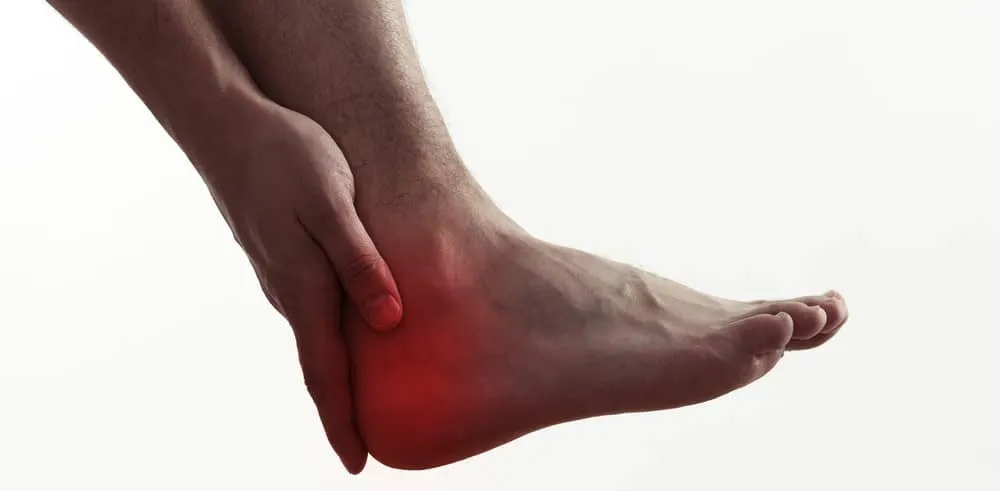
A heel spur is a bony growth located under the heel bones that forms as a result of prolonged excessive stress or repetitive strain. Formed by calcium buildup, this condition usually causes sharp, intense pain on the sole of the foot or at the back of the heel. Heel spurs are associated with a condition called plantar fasciitis. Plantar fasciitis causes inflammation of the connective tissue that supports the sole of the foot and attaches to the heel bone. The body responds to this inflammation with bone formation, and as a result a heel spur develops.
Heel Spur (Plantar Fasciitis) Symptoms
Heel spur symptoms usually appear as pain, discomfort and restricted movement. These symptoms may include:
Severe pain under or behind the heel: People with heel spurs usually feel sharp, intense pain under or behind the heel. This pain may be especially noticeable with the first steps in the morning or after standing for a long time.
Discomfort on the sole of the foot: In heel spurs, the connective tissue that supports the sole of the foot and attaches to the heel becomes inflamed. This may lead to symptoms such as a general feeling of discomfort, burning or numbness in the sole of the foot.
Increased pain with physical activity: In people with heel spurs, pain may increase during physical activity or during long walks. This is associated with standing for long periods or bearing weight on the feet due to the heel spur.
Swelling of the heel: In some people with heel spurs, mild swelling may be seen in the heel area. This swelling may occur as a result of inflammation or tissue reactions.
What Are the Causes and Risk Factors of Heel Spurs?
Heel spurs may be caused by more than one condition. Here are some causes and risk factors that may lead to the development of heel spurs:
Plantar Fasciitis: Plantar fasciitis is a condition that causes inflammation of the connective tissue that supports the sole of the foot and attaches to the heel. Factors such as prolonged standing and wearing improper shoes can generally lead to plantar fasciitis. Excessive Strain and Stress: Long-term excessive strain and repetitive stress can lead to the formation of heel spurs. In particular, standing for long periods, walking on hard surfaces, running or engaging in demanding sports can increase the risk of heel spurs.
Foot Structure and Biomechanical Problems: Flat feet, high arches, and excessive inward or outward rolling of the feet (overpronation or supination) can increase the risk of heel spurs.
Age and Sex: As age increases, cartilage and connective tissue may weaken, which may increase the risk of heel spurs. In addition, heel spurs are more common in women than in men.
Obesity: Obesity places extra load on the body and applies additional pressure to the feet. This may increase the risk of heel spurs.
Footwear Choice: Choosing the wrong shoes can trigger the development of heel spurs. Tight or hard shoes, shoes that do not provide adequate support, or the use of unsuitable insoles may increase the risk of heel spurs.
What Are the Diagnostic Methods for Heel Spurs, and How Are They Diagnosed?
Diagnostic methods for heel spurs include a series of tests that the doctor may use to diagnose this condition. First, the doctor starts by listening to the patient's complaints, such as heel pain, increased pain when bearing weight, or discomfort during sports. This is an important step for an accurate diagnosis.
The doctor then examines the patient's heel and assesses whether the heel is tender, swollen or inflamed. The doctor may also apply pressure to the patient's heel to provoke pain.
X-ray is a commonly used imaging test for diagnosing heel spurs. X-rays show bony projections or bone spurs that form on the heel bones. This provides important evidence in diagnosing heel spurs. However, in some cases the doctor may request advanced imaging tests such as ultrasonography or MRI to confirm the diagnosis of heel spurs or to rule out other possible causes. Finally, the doctor may evaluate the patient's medical history and lifestyle. This information is important for understanding the factors that play a role in the development of heel spurs and for reaching an accurate diagnosis.
What Are the Treatment Options for Heel Spurs?
Treatment for heel spurs may vary depending on the severity of the condition. Here are some of the commonly used treatment options for heel spurs:
Rest: The first step in treating heel spurs is to rest in order to avoid excessive loading on the heel. Limiting activities and avoiding sports that strain the heel may help the healing process.
Footwear Choice: Wearing comfortable and supportive shoes may relieve heel spur symptoms. Using shock-absorbing insoles or shoe inserts that support the arch and heel may be beneficial.
Ice Application: Applying ice to the heel may be effective in reducing inflammation and pain. Applying an ice pack to the heel for 15 to 20 minutes and repeating this several times a day may be beneficial.
Physiotherapy: Physiotherapists can play an important role in treating heel spurs. Treatments such as manual therapy, stretching exercises, electrical stimulation and ultrasound can reduce pain, strengthen muscles and increase flexibility.
Heel Cushions or Supports: Heel cushions or supports can reduce pain by providing additional support to the heel. These supports relieve the pressure on the heel and provide comfort.
Medication: The doctor may recommend nonsteroidal anti-inflammatory drugs (NSAIDs) to relieve pain and reduce inflammation. Topical painkillers or corticosteroid injections may also be used.
Exercise and Stretching: Heel spur exercises and stretching movements performed under the guidance of a physiotherapist can strengthen the heel muscles, increase flexibility and reduce pain.
Custom Foot Orthotics or Braces: Insoles or braces specially designed for the sole of the foot can support the structure of the foot and relieve heel spur symptoms.
Shockwave Therapy: High-energy sound waves focused on the heel area can reduce pain and promote healing.
Surgical Intervention: Surgery may be considered in cases that do not respond to treatment or are severe. Surgical options may include removal of the heel spur or release of the plantar fascia.
Frequently Asked Questions About Heel Spurs
You can find answers to frequently asked questions about heel spurs further down in the text. People with heel spurs can support their heels by choosing comfortable shoes and avoiding high-heeled shoes. They may also try rest, ice application and physiotherapy. In addition, it is important to use foot insoles and do stretching exercises, avoid excessive activity and maintain a healthy lifestyle. Activities that increase the risk of heel spurs include excessive sports, wrong footwear choice, standing for long periods in high-heeled shoes, excess weight, long-term standing work and high-impact sports. In particular, repeated engagement in these activities may increase the likelihood of developing a heel spur. Some methods to relieve heel spur pain are: wearing comfortable shoes, using heel cushions, applying ice, doing foot exercises, using anti-inflammatory medications, and benefiting from treatments such as physiotherapy and rehabilitation. However, it is important to consult a healthcare professional for treatment. Although the effect of heel spur treatment varies from person to person, it may generally last from a few weeks to a few months. In cases of heel spurs, surgery may be needed, but surgical options are generally the last resort. Although the recovery process after surgery varies from person to person, it generally may take several weeks. The recovery process includes rest, physiotherapy, rehabilitation and the use of appropriate footwear. In heel spurs, sole-supporting products and appropriate footwear provide relief by reducing pressure on the heel. By providing cushioning and support, they relieve pain and may help the treatment of heel spurs by supporting proper alignment of the feet. Heel spurs may recur. To take preventive measures, it is important to wear appropriate shoes, avoid overexertion of the feet, use insoles or cushions that provide adequate support, do regular foot exercises, avoid excess weight and protect against injuries. Regular doctor check-ups and continuing treatment are also important. For heel spur treatment, physiotherapy sessions are usually held 2 to 3 times a week. However, the program determined by the doctor or physiotherapist, taking into account the course of treatment and the individual's condition, should be followed. It is important that physiotherapy sessions are regular and continuous. If heel spurs are left untreated, they can prevent individuals from carrying out their daily activities and lead to a decline in quality of life. At Hisar Hospital, specialist doctors in their field aim to thoroughly examine patients with heel spurs and provide the best possible treatment. If you have a heel spur problem, you can apply to Hisar Hospital for early diagnosis and treatment.
Start with the right assessment for What Is Heel Spur (Plantar Fasciitis)? Symptoms and Treatment
Share your symptoms with our specialist physicians; let us determine the right diagnosis and treatment plan together.
Warning
If your symptoms started suddenly, are progressing rapidly, or significantly restrict your daily life, consult a physician without delay.
Plan your What Is Heel Spur (Plantar Fasciitis)? Symptoms and Treatment journey with our specialists.
Fill in the form or book an appointment to learn about treatment options, the process and preparation.