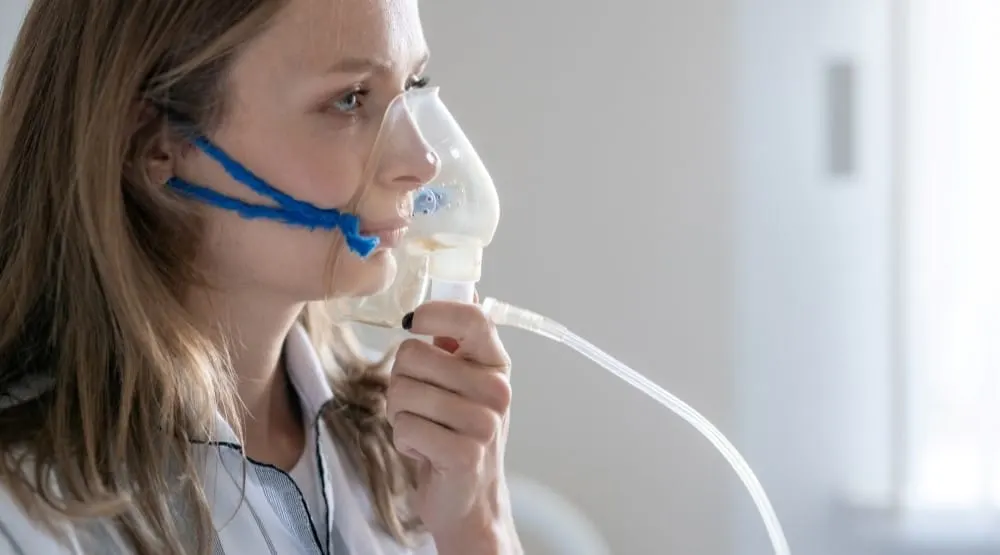
The respiratory system mechanism explains how the process of breathing in and out is carried out and why an oxygen-carbon dioxide cycle is needed for tissues and organs to survive. When we inhale, oxygen goes to the alveolar sacs in the lungs, where it passes into the blood vessels. Through the blood, oxygen reaches tissues and organs. After blood cells release their oxygen, they pick up carbon dioxide from the tissues, which is expelled when we exhale. Carbon dioxide is a waste product, and if it accumulates too much in the blood, oxygen delivery is impaired. Therefore, waste carbon dioxide must be removed to make room for more oxygen. For tissues and organs to function properly, this cycle must work. Any malfunction or disruption in the system can lead to a serious condition such as respiratory failure. An increase in carbon dioxide in the blood prevents oxygen from entering the body and can damage tissues and organs.
Respiratory failure describes a failure in the process by which the lungs load oxygen into the blood or remove carbon dioxide from it. It is characterized by a decrease in blood oxygen or an increase in blood carbon dioxide. It may be sudden and short-lived, or it may persist for a long time. Factors such as heart, lung, brain and spinal cord diseases or injuries, exposure to chemicals, and the use of addictive substances can lead to respiratory failure.
What Is Respiratory Failure?
The respiratory system consists of the lungs, the respiratory center, and a pump system that carries signals between the respiratory muscles. A disruption in the lungs or in any step of the pump system causes respiratory failure to develop. Respiratory failure occurs when there is not enough oxygen in the tissues or when there is too much carbon dioxide in the blood. In some cases, both may occur. For this reason, respiratory failure is divided into two main types:
Type 1 respiratory failure (hypoxia): The respiratory system’s inability to supply the body with enough oxygen. It is also known as “hypoxic respiratory failure.” Lung and heart problems are among the most common causes.
Type 2 respiratory failure (hypercapnia): The respiratory system’s inability to remove enough carbon dioxide from the body. When carbon dioxide is not expelled from the body, there is no room in the blood cells to carry oxygen. It is also known as “hypercarbic respiratory failure.” Lung, heart, muscle, brain and spinal cord disorders are among the most common causes.
Respiratory failure is classified as acute or chronic. Acute respiratory failure appears suddenly and is an emergency. Chronic respiratory failure is a long-term condition that requires regular monitoring and care. Both acute and chronic respiratory failure can be life-threatening if not diagnosed early. It may result in cessation of breathing, coma, or death. For this reason, accurate diagnosis and control of respiratory failure are of critical importance in managing the condition.
What Are the Symptoms of Respiratory Failure?
Symptoms of respiratory failure develop depending on low oxygen (hypoxemia), high carbon dioxide (hypercapnia), or both. The main symptoms indicating respiratory failure are:
A feeling of not being able to get enough air and shortness of breath
Rapid or excessively slow breathing
Palpitations
Bluish skin, nails and lips
Pale skin
Clouded consciousness, inability to think clearly
Excessive fatigue, restlessness
Headache
Excessive sweating
Blurred vision
Bloody or blood-streaked sputum, cough
Drowsiness or fainting.
Respiratory failure is a condition that requires urgent medical intervention. If left untreated, it can lead to a life-threatening situation. If you experience several or most of these symptoms, contact a healthcare facility without losing time.
What Causes Respiratory Failure?
Respiratory failure occurs as a result of oxygen being prevented from entering the blood or carbon dioxide being prevented from being removed from the blood. Various diseases, injuries and conditions can disrupt the oxygen-carbon dioxide balance. Factors that may cause this condition include:
Obstruction of blood and airflow to the lungs
Blockage in the lungs, fluid accumulation in the lungs
Injuries to the chest and ribs
Smoking, inhaling smoke, dust and asbestos, air pollution
Lung diseases such as COPD, cystic fibrosis, asthma, pneumonia, pulmonary embolism and pulmonary fibrosis
Blood and circulatory system diseases (heart failure, heart attack, congenital heart diseases, etc.)
Excessive doses of alcohol and drugs affecting the brain and respiratory system
Disorders affecting the nerves and muscles that may affect the respiratory system, such as scoliosis, ALS (amyotrophic lateral sclerosis) and Guillain-Barré syndrome
Nerve and muscle damage resulting from spinal cord injuries, stroke and similar conditions
Surgical procedures requiring anesthesia and sedation (sedation technique)
Newborns, premature infants and adults over 65 years of age are at higher risk of respiratory failure.
How Is Respiratory Failure Treated?
Treatment options vary depending on the severity, duration and cause of respiratory failure. Treatment may include diagnosis and control of the underlying cause, providing more oxygen, and the use of mechanical ventilation until normal breathing is restored. The medications and procedures that may be applied in the treatment of respiratory failure are listed below:
Oxygen therapy: Extra oxygen is provided with a breathing mask or a tube placed in the nose. It is a portable device that can be used at home or in the hospital.
Ventilator (breathing support device): Individuals who cannot breathe on their own need breathing support devices. A ventilator is a breathing machine used to move air into and out of the lungs. Air is delivered into the lungs and provides the necessary oxygen intake. It also helps lower carbon dioxide levels.
Tracheostomy: The creation of an opening in the neck or windpipe and the placement of a tube. It makes breathing easier. If long-term ventilator treatment is required, these tracheal tubes may be used.
Treatment of the underlying cause: Treating the condition that causes respiratory failure. It includes antibiotics for pneumonia, clot-dissolving medications for blood clots, and a chest tube to drain extra air or blood in case of injury.
ECMO (Extracorporeal membrane oxygenation): Blood is pumped through an artificial lung in order to add oxygen to the blood and remove carbon dioxide. It is used in people with severe respiratory problems.
Not every treatment is suitable for every patient with respiratory failure. Since treatment varies depending on the source, duration and severity of the problem, consult your doctor for the most appropriate treatment.
What Are the Infections That Lead to Respiratory Failure?
Respiratory failure may occur as a result of various infections. Infections settling in the brain or spinal cord (such as meningitis), and infections in the lungs such as COPD, cystic fibrosis and pneumonia, can lead to respiratory failure. Pneumonia with or without sepsis, caused by various pathogens such as bacteria, viruses, fungi and malaria, is one of the main conditions associated with acute respiratory failure. Severe community-acquired pneumonia and exacerbations of COPD cause acute respiratory failure in elderly patients. Viral infections can facilitate subsequent bacterial infections and increase the proportion of pathogens in the respiratory tract. Also, because there is no treatment for virus-caused infections, respiratory failure treatment may be long-term. People with a weakened immune system in particular should be vigilant about infections and, consequently, the risk of respiratory failure.
Frequently Asked Questions
Respiratory failure is an emergency condition that develops due to many different causes. You can read the rest of the article for what needs to be known during the diagnosis and treatment process, and for answers to the most frequently asked questions about respiratory failure. Respiratory failure is the result of insufficient oxygen in the blood or an excessive amount of carbon dioxide. Oxygen that cannot reach tissues and organs may cause certain changes and damage. Symptoms such as bluish discoloration of the skin, nails and lips, a pale appearance, palpitations, excessive fatigue, shortness of breath and drowsiness indicate respiratory failure. In some cases, in addition to these symptoms, headache, dizziness, excessive sweating and blurred vision may occur. Respiratory failure may arise as a result of infections of the lungs, brain or spinal cord. Providing appropriate treatment according to the source of the infection and its symptoms is important. Untreated bacterial, viral or fungal infections can cause damage to tissues and organs. Failure to control infections may lead to respiratory failure. Additionally, failure to manage respiratory failure may cause more serious complications. Acute respiratory failure is one of the common reasons for admitting critically ill patients to the intensive care unit. Although long stays in the intensive care unit may be necessary, for some patients this period may be shorter. Approximately 40-65% of patients in the intensive care unit require mechanical ventilation. Good management of respiratory failure can shorten the intensive care period. Respiratory failure treatments depend on the underlying problems. Therefore, recovery times vary depending on the treatments for the factors causing respiratory failure. Different treatment processes, including oxygen-delivery devices, medications such as antibiotics, and other treatment options, may show differences in the recovery process. Consult your doctor for information about the treatment option most suitable for you. Respiratory failure, which may arise due to environmental conditions and various underlying diseases, is a condition that needs to be brought under control. It is important for doctors to follow the process closely and with individual attention. In our hospital, the process is closely monitored with an experienced medical team as well as advanced devices and equipment. Furthermore, separate adult and pediatric intensive care units and their doctors are aimed at providing treatments specific to individuals. If you have symptoms or suspect respiratory failure, be sure to contact a healthcare facility.
Start with the right assessment for What Is Respiratory Failure? What Are the Symptoms? How Is It Treated?
Share your symptoms with our specialist physicians; let us determine the right diagnosis and treatment plan together.
Warning
If your symptoms started suddenly, are progressing rapidly, or significantly restrict your daily life, consult a physician without delay.
Plan your What Is Respiratory Failure? What Are the Symptoms? How Is It Treated? journey with our specialists.
Fill in the form or book an appointment to learn about treatment options, the process and preparation.