Is psoriasis considered a chronic disease?
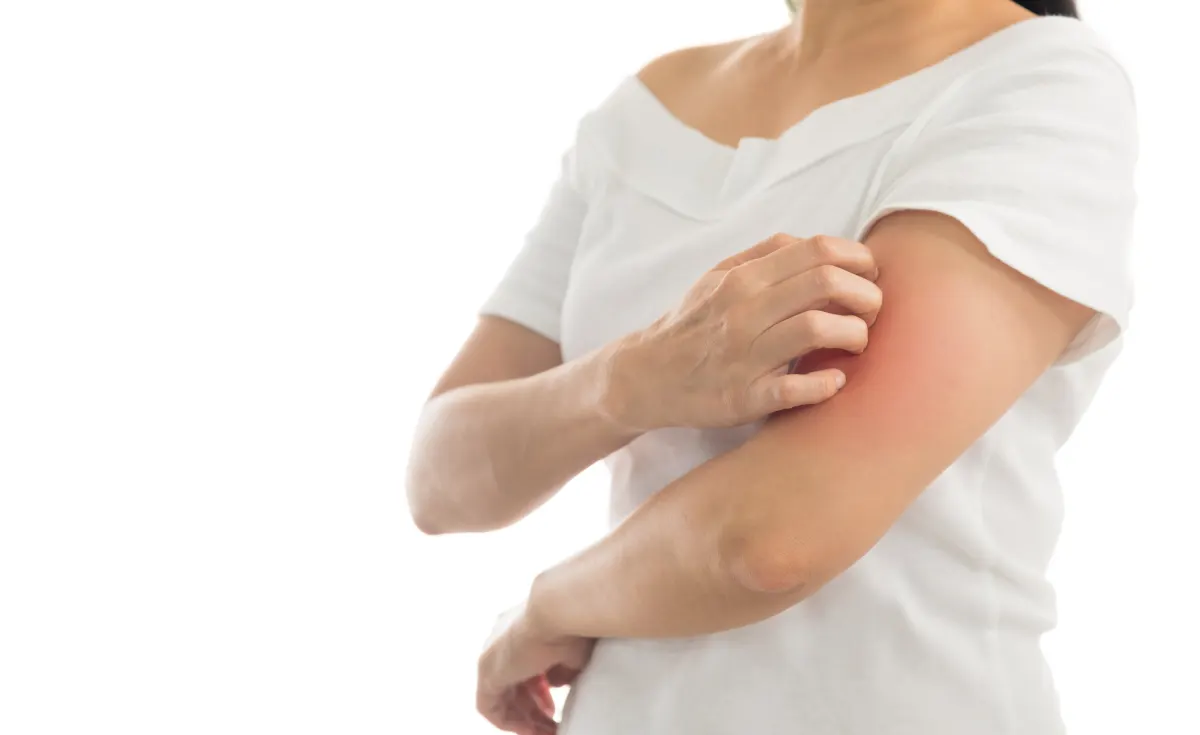
Psoriasis, known in medical terminology as 'Psoriasis', is a skin disease of unknown cause. It appears as white scales settled on red areas with clearly defined borders on the skin. Because the color of these scales is mother-of-pearl colored, the disease is known among the public as 'Sedef' disease.
It is most commonly seen on the knees, elbows, buttocks and scalp, but it can also occur in other areas of the body, including the nails. Normally the skin renews itself in about 1 month, but in psoriasis this period drops to a few days, and the increase in dead skin cells forms thick plaques. Lesions on the trunk may be a few millimeters in diameter, or they may spread over areas wide enough to cover the entire back and buttocks. The disease may sometimes appear only on the palms and soles. In psoriasis, signs such as pinpoint-sized pits in the nails, thickening, roughening and yellowing of the nails may also be seen.
Psoriasis can be brought under control with appropriate treatments; however, since it may recur even if it disappears with treatment, it is accepted as a chronic disease.
How does it affect young people? What is its effect on their psychology?
The disease itself is closely related to psychological state. Stress is one of the triggering factors in this disease, and it also affects treatment. Resistance to treatment may develop during periods of stress and depression, while patients may recover on their own without treatment when they feel good and happy. Psoriasis manifests on the skin as lesions of 'redness covered with a white crust'. Because of these lesions on the skin, appearance is the real problem for most patients. Although it is not contagious, since it settles in visible areas (such as the hair, elbows and knees), society's perspective toward these patients is a major problem. This is even more noticeable in young patients and can affect their quality of life.
Is it a disease that requires giving up work or isolating oneself from life?
Absolutely not. As I mentioned, the chances of patients with a good psychological state responding to treatment and benefiting from it also increase. The treatment success of someone isolated from social life and lacking motivation also decreases. The severity of psoriasis varies from person to person, but it never reaches a level that medically disrupts daily life or prevents one from practicing one's profession.
Is it possible to cope with it and remove the red spots?
There are many treatment alternatives in psoriasis. Appropriate treatment varies depending on the severity, duration and type of the disease. Both medications taken orally and cream-type medications applied to the skin can bring the disease under control. The skin returns to a completely normal appearance. However, there is no definitive cure for psoriasis yet.
Many patients spend time pursuing herbal treatments alongside medical treatments or on their own. What is your view on this?
Today there are many medical drugs and methods that we use in the treatment of psoriasis. The disease is brought under control with treatment given by the physician in a manner appropriate to the disease and the patient's condition. However, since no drug has yet been found that prevents the disease from reappearing over time, there is a tendency toward alternative medicine. These treatments, applied by people who are not physicians, usually lead to undesirable results. Irritation, infection and wounds that flare up even more after a brief temporary improvement may appear on the treated area of the skin. In addition, since the effects of some herbal medications taken orally are unknown, they can have adverse effects on overall health.
How many psoriasis patients are there in Turkey?
According to January 2011 data, there are more than approximately 700 thousand psoriasis patients in Turkey. Worldwide, the number of patients has reached 125 million. Some people, especially those with psoriasis in their family, are more predisposed to this disease. Psoriasis can appear in many different forms.
What is the frequency of the disease?
Psoriasis is a common skin disease affecting approximately 2% of society. Although it is seen in men and women in almost equal proportions and at every age, it is encountered more frequently between the ages of 15 and 35. Since it is not an infectious disease, there is no question of transmission from person to person. In people predisposed to this disease, external factors such as scratching, cuts, burns, excessive sun exposure, extreme cold, throat infection, stress, medication use or skin injury trigger the onset of the disease. Skin lesions may appear unexpectedly and disappear again. The disease generally increases in winter and decreases in summer with the effect of sunlight.
What should patients pay attention to?
The location, severity and duration of psoriasis on the skin may differ in each patient. Be sure to learn about anything that concerns you about the disease by consulting your doctor. Before starting treatment, be sure to inform your doctor if you have a condition such as pregnancy, breastfeeding or medication use. In psoriasis, the patient's skin should be prevented from drying out. In addition, various creams and ointments are used for redness and thickened lesions. Oral tablets that relieve itching also support treatment. Treatments addressing the factors that lead to flare-ups of the disease should also be applied. In widespread cases, treatment with more serious drugs and phototherapy, which uses special lamps emitting sunlight, also gives good results. It is very important to use the treatments recommended by the dermatologist as advised and for the prescribed duration, so that side effects that may arise from medications are prevented. Patients should not change their treatment on their own, and should never use medications whose content they do not know or whose effectiveness has not been proven. Stress control is very important in psoriasis, so professional support and help can be sought in this regard. Attending group training sessions that make it easier to connect with other psoriasis patients is quite beneficial. Since this disease is unrelated to food, no diet is recommended.
Start with the right assessment for Psoriasis
Share your symptoms with our specialist physicians; let us determine the right diagnosis and treatment plan together.
Warning
If your symptoms started suddenly, are progressing rapidly, or significantly restrict your daily life, consult a physician without delay.
Plan your Psoriasis journey with our specialists.
Fill in the form or book an appointment to learn about treatment options, the process and preparation.