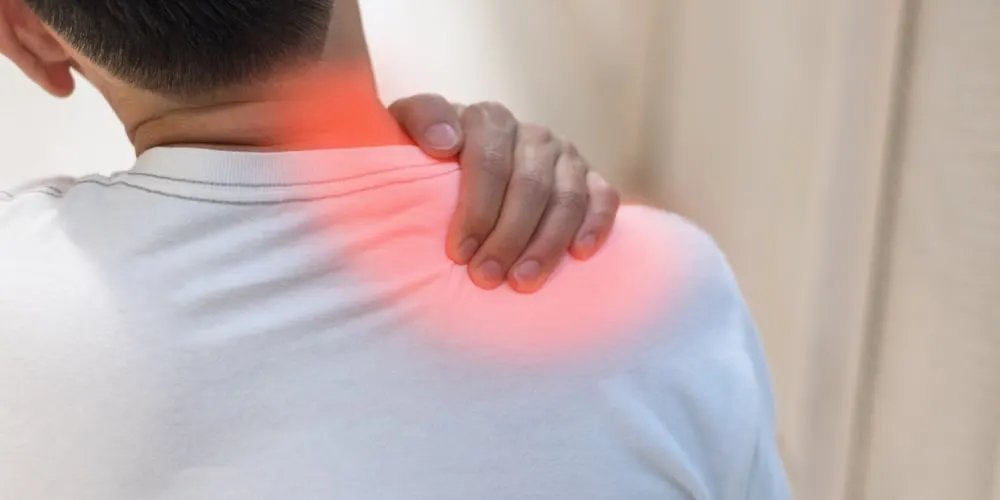
The structure of the shoulder allows us to perform many activities in daily life. The rotator cuff is made up of four main muscle and tendon groups that work to stabilize the shoulder joint and ensure that various movements take place in a regular manner. These muscles control the movement of the shoulder in various directions and maintain the stability of the shoulder by balancing the forces acting on the joint. Any tear that occurs in this group is called a rotator cuff tear.
Rotator Cuff Tears
A rotator cuff tear refers to the tearing of the four important muscles and tendons surrounding the shoulder joint. This condition usually arises as a result of repetitive stress on shoulder movements, aging, or an injury.
The Role and Importance of the Rotator Cuff
The rotator cuff is also known as the rotator cuff. For this reason, many people are curious about the answer to the question “What is the rotator cuff?” The rotator cuff is a group of structures made up of the tendons of four main muscles, which ensure that shoulder movements are carried out in coordination and maintain the function of the shoulder. The healthy functioning of the rotator cuff allows the hands to be used freely in daily activities. Many activities, from a simple handshake to eating a meal, are possible through the coordination of this muscle group. At the same time, in sports activities (especially upper body exercises), having a strong and healthy rotator cuff may help prevent shoulder injuries.
Factors Causing Tears
Rotator cuff syndrome is damage occurring in the muscles and tendons in the shoulder region. These tears usually occur as a result of a combination of several factors. The factors causing a rotator cuff tear are as follows:
Aging: The aging process causes the tendon and muscle tissues to naturally weaken and lose their elasticity. This can contribute to the wear and tear of tissues in the shoulder region and increase the risk of tearing.
Repetitive Movements: Continuous repetitive shoulder movements, especially high-tempo or heavy-load activities, place excessive stress on rotator cuff tissues. Over time, this repetitive stress can lead to wear of the tendons and eventually tears.
Trauma and Injuries: A sudden fall, accident or blow can cause tears in the rotator cuff tissues. Sudden movements or traumatic events during sports activities may also contribute to these injuries.
Shoulder Instability: Imbalances or weaknesses in the factors that provide shoulder joint stability can reduce the protective function of the rotator cuff. This may increase the risk of a tear.
Inflammation and Tendon Degeneration: Chronic inflammation can lead to degeneration of rotator cuff tissues. Weakening of the tendons and loss of elasticity may increase the likelihood of a tear.
Symptoms and Diagnosis of Rotator Cuff Tears
Symptoms of rotator cuff syndrome can generally vary from mild to severe. Symptoms that may occur in the shoulder are as follows:
Pain,
Discomfort,
Weakness,
Sensation of weakness,
Limited range of motion,
Numbness,
Tingling,
Sleep problems caused by pain,
A sound coming from the shoulder area.
If the above-mentioned symptoms are present, or if pain and restricted movement in the shoulder area affect a person's daily activities, it is important to consult a healthcare professional for diagnosis.
Pain, Weakness and Restricted Movement
The most common symptom of a rotator cuff tear is pain felt in the shoulder. The pain is usually felt in the outer part or upper area of the shoulder and may worsen over time. It may increase during movements such as lifting or rotating the shoulder, or placing it in certain positions. This pain may increase in severity over time and affect patients' daily lives. In particular, pain that increases when lying on the shoulder causes patients to feel discomfort throughout the night. A rotator cuff tear may also cause loss of strength by damaging the muscles in the shoulder. This creates a feeling of weakness when lifting the shoulder or performing certain movements. The tear prevents the normal functioning of the muscles in the shoulder, leading to restricted movement. Basic movements such as raising the shoulder upward, rotating it backward or moving it out to the side are limited. The patient may have difficulty using the normal range of motion of the shoulder.
Physical Examination and Imaging Methods
For an accurate diagnosis of a rotator cuff tear, a number of physical examination and imaging methods are performed by expert healthcare professionals. The physical examination allows the doctor to assess the patient's shoulder mobility and examine the symptoms. The healthcare professional applies various maneuvers and tests to test the range of motion of the shoulder and identify possible tears.
Among the imaging methods used, magnetic resonance imaging (MRI) shows the soft tissues in the shoulder and the rotator cuff in detail. Ultrasonography, on the other hand, is an effective method for evaluating tendon tears using sound waves. X-rays help rule out other potential problems by examining the bone structure.
What Are the Treatment Methods for Rotator Cuff Tears?
Treatment varies depending on the type and size of the tear and the patient's general health condition. The treatment methods are as follows:
Conservative Treatment: Small and medium-sized tears can usually be managed with conservative treatment. This treatment method includes rest, ice application, anti-inflammatory drugs and physical therapy.
Medication Treatment: Oral or topical prescription anti-inflammatory drugs used to control pain and inflammation play an important role in the treatment of rotator cuff tears. These drugs are prescribed by the doctor at the doses and for the durations determined.
Injection Treatments: Corticosteroid injections may be used to reduce pain and inflammation in the shoulder.
Surgical Intervention: Surgical intervention may be considered in cases of large tears, severe pain and restricted movement.
The treatment plan is determined specifically for the patient's condition and involves a multidisciplinary approach. The most suitable treatment options for each patient are decided through the doctor's detailed evaluation.
In Which Cases Is Surgical Intervention Performed for Rotator Cuff Tears?
Although rotator cuff syndrome is a condition that can be controlled with conservative treatment or medications, surgical intervention may be necessary in some cases. If the tear is large and high-grade (especially in the case of complete rupture of the tendons), surgical intervention is generally recommended. Surgery may also be considered in cases of severe pain and marked restricted movement. Surgical intervention may be evaluated in people with chronic conditions and recurrent tears in order to prevent further problems. Especially in young and active individuals, surgical repair or correction of the rotator cuff may speed up the process of returning to normal activities.
Arthroscopic Surgery and Repair Techniques
Arthroscopic surgery uses a minimally invasive approach to access the shoulder joint. In this method, a camera (arthroscope) and small surgical instruments are inserted into the joint area through small incisions. In this way, the surgeon can see the internal structure of the shoulder in detail and address problems directly. With the help of the arthroscope, the surgeon evaluates the size of the tear and decides whether repair is necessary. Repair techniques include the tendon anchor method, double-row repair and single-row repair.
Reparative Surgery and Advanced Methods
In the treatment of advanced rotator cuff tears, reparative surgery and advanced methods are increasingly coming to the fore. Reparative rotator cuff surgery is performed to reduce patients' pain, restore shoulder movements and improve their overall quality of life. These treatment options are generally applied to more complex cases and aim to maximize the interaction with the patient's own body. Stem cells taken from the patient's own body can be injected into the tear area to accelerate healing. Stem cells may contribute to the regeneration of tissues. At the same time, with platelet-rich plasma (PRP) therapy, the platelets in the patient's blood can be injected into the tear area to support healing. Platelets contain growth factors and other substances that promote healing.
What Is the Recovery Period After Rotator Cuff Tear Surgery?
In the first days after rotator cuff surgery, pain in the surgical area is controlled with prescribed painkillers. The shoulder is supported with a sling or bandage and is rested. During the first weeks, physical activities are restricted and light exercises are started under the guidance of a physiotherapist. In the period after the first month, the intensity of physical therapy increases, pain and swelling decrease, and return to normal daily activities begins. During the first six months, while the physiotherapy process continues, the rotator cuff muscles strengthen and endurance increases. The range of motion of the shoulder is expanded with specific exercises and the patient's progress is evaluated under the doctor's supervision. About a year later, full recovery is achieved and the patient can return to normal daily activities.
Frequently Asked Questions About Rotator Cuff Tears
Shoulder rotator cuff tendon injury is generally more common in older people. This is associated with the weakening of tendons and increased degeneration processes with age. At the same time, the risk is higher in athletes who perform repetitive shoulder movements, weightlifters and people in certain occupational groups. Small tears and, in certain cases, rotator cuff tears can be managed with conservative treatment methods. Physical therapy, pain management, anti-inflammatory drugs and exercise programs can be effective in some patients. However, depending on the size of the tear and the patient's symptoms, surgery may be considered for shoulder rotator cuff tendon injury. Arthroscopic surgery is a minimally invasive method performed through small incisions.Arthroscopic surgery's advantages include the use of minimal incisions, a lower risk of complications and a rapid rehabilitation process. This surgical method allows patients to experience less pain and return to normal activities more quickly. At the same time, with arthroscopy, doctors can see the structures inside the shoulder more clearly and perform repairs more precisely. The rehabilitation process varies depending on the size and type of the shoulder rotator cuff tendon injury. Physical therapy programs aim to strengthen the rotator cuff muscles, increase flexibility and restore normal shoulder functions. In the first weeks, rest and light exercises are started, and over time more intensive programs are applied. The decision for surgery depends on the size of the tear, the patient's age, symptoms and lifestyle. Generally, if conservative treatment methods are not effective or if there are large tears or severe symptoms, surgical intervention may be considered. The healing process varies from person to person. However, it usually takes several months. After the physical therapy process is completed and the doctor's approval is obtained, a return to normal daily activities can begin for rotator cuff syndrome. However, avoiding heavy loads and paying attention to certain sports activities is recommended. To prevent tears, it is important to regularly perform rotator cuff strengthening exercises, lift weights with correct techniques, avoid repetitive movements that stress the shoulder, and apply appropriate warm-up or stretching routines. If you are experiencing shoulder pain or restricted movement and have signs of a rotator cuff tear, you can make an appointment with our specialists without losing time and have the necessary checks carried out.
Start with the right assessment for Rotator Cuff Tear Treatment and Treatment Methods
Share your symptoms with our specialist physicians; let us determine the right diagnosis and treatment plan together.
Warning
If your symptoms started suddenly, are progressing rapidly, or significantly restrict your daily life, consult a physician without delay.
Plan your Rotator Cuff Tear Treatment and Treatment Methods journey with our specialists.
Fill in the form or book an appointment to learn about treatment options, the process and preparation.