What is Mastitis? Symptoms and Treatment Methods
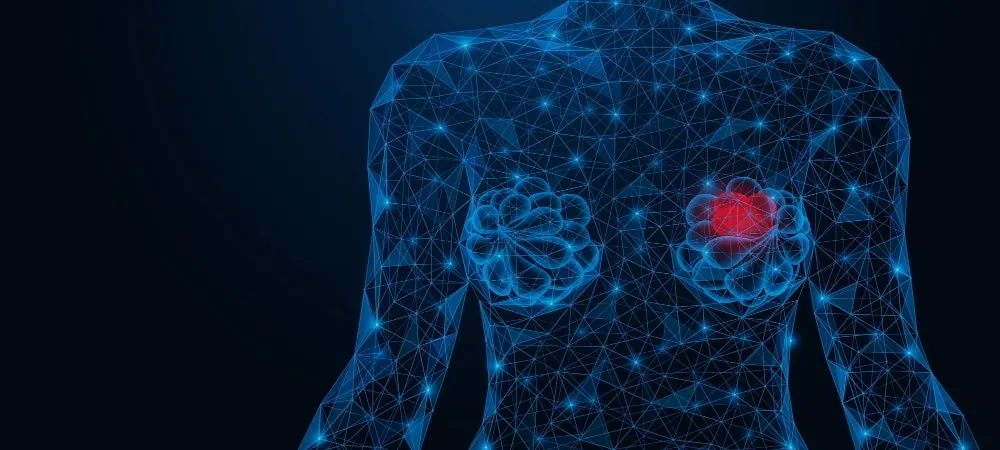
Mastitis, commonly known as breast inflammation, is an inflammatory health problem characterized by symptoms such as redness, pain, and a burning sensation in the breast. Breast inflammation, which is mostly seen in women during the breastfeeding period, can rarely be seen in non-breastfeeding women and men as well. Blockage in the milk ducts or cracks in the nipple are the main causes of inflammation in the breast. If precautions are not taken and treatment is not initiated at the beginning, the inflammation can progress and turn into a bacterial infection.
What is Mastitis?
Mastitis is a health problem that manifests itself with flu-like symptoms such as breast pain, redness, burning sensation, and high fever, developing as a result of inflammation in the breast tissue. Breast inflammation can stem from a bacterial infection or can occur due to inadequate emptying of milk in the milk ducts associated with incorrect breastfeeding techniques. Research shows that approximately 10% of breastfeeding women experience mastitis. Usually seen in the second and third weeks postpartum, mastitis can occur at any time during breastfeeding. According to various studies, approximately 74% to 95% of cases occur within the first 12 weeks after birth.
Mastitis is usually not infection-related. However, in some cases, it may also develop due to a bacterial infection. Non-infection-related breast inflammation mostly occurs as a result of the blockage of the milk ducts and the accumulation of milk in the breast. However, milk accumulated in the breast can cause bacteria to proliferate over time. In other words, non-infection-related breast inflammation can turn into an infectious disease over time and cause serious complications. In addition, in some cases, infection can also be transmitted through cracks formed on the nipple.
Mastitis is examined in two ways: lactational (related to the breastfeeding period) and non-lactational (not related to the breastfeeding period). Accordingly, the main types of mastitis are as follows:
Lactational mastitis: Appearing during the breastfeeding period, lactational mastitis is the most common type of mastitis. It can develop as a result of various bacteria, primarily Staphylococcus aureus, due to inadequate emptying of milk from the milk ducts in the breast or cracks in the nipple.
Periductal mastit: Periductal mastitis, which is not associated with the breastfeeding period, is a health problem affecting women of reproductive age. It usually forms as a result of inflammation of the ducts beneath the nipples.
Granulomatous mastitis: Usually seen within the first year after birth, granulomatous breast inflammation develops as a result of inflammation formed in the breasts. Although its symptoms resemble breast cancer, granulomatous mastitis is not cancer.
Specialists primarily take the type of the disease into consideration when determining the treatment for breast inflammation.
What Are the Symptoms of Mastitis?
Mastitis, meaning breast inflammation, can cause symptoms such as swelling, redness, tenderness, and burning in the breast. The main symptoms of breast inflammation are as follows:
Breast tenderness,
A feeling of warmth when the breast is touched,
Swelling in the affected breast,
Hardening of the breast tissue,
A palpable lump in the breast in some cases,
Pain that is continuous throughout the day or occurs only during breastfeeding,
Redness in the breast,
High fever.
In addition to those listed above, since mastitis is an inflammatory health problem, patients may also experience symptoms similar to cold symptoms, such as fatigue and malaise.
How is Mastitis Diagnosed?
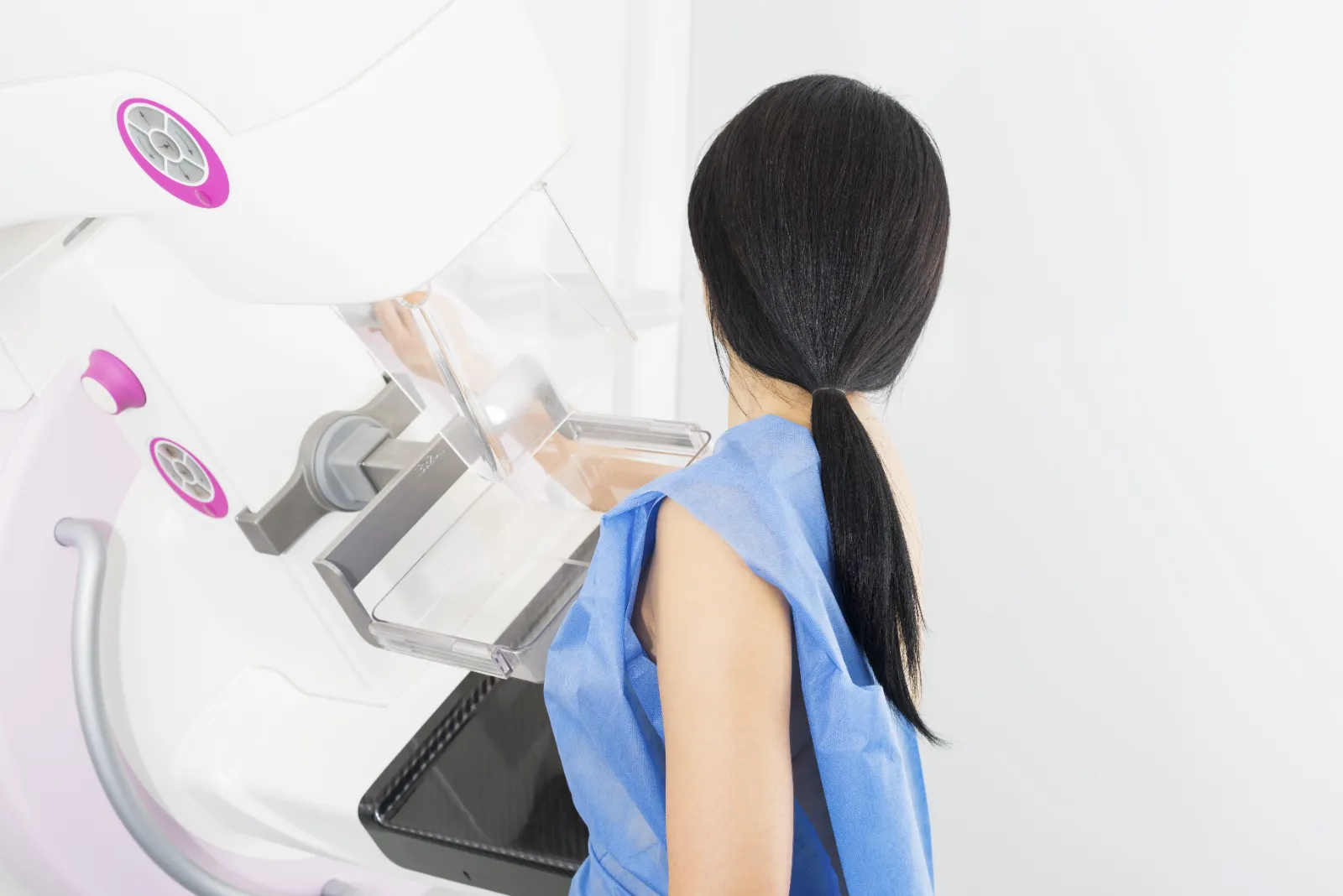
Patients who apply to healthcare institutions with complaints such as redness, burning, and pain in the breast are first physically examined by a physician specialized in the field. At this stage, specialists can examine the patient's breast to diagnose whether there is a breast infection. Since breast inflammation is also known as a breastfeeding period infection, specialists also take into consideration whether patients are in the breastfeeding period at this stage. However, in women who present with mastitis symptoms but are not in the breastfeeding period, specialists may also utilize imaging methods such as mammography and breast ultrasound to rule out other health problems such as breast cancer. Additionally, in cases where no improvement is observed after treatments such as antibiotic therapy, specialists may recommend mammography or a breast biopsy to ensure that the patient does not have breast cancer.
What Are the Treatment Methods for Mastitis?
During mastitis treatment, specialists primarily aim to reduce inflammation and prevent the formation of infection. At this point, it is important to inform breastfeeding women about correct breastfeeding techniques. Specialists often prioritize treating mastitis with conservative treatment methods. In other words, applying cold compresses to the breast or massaging to ensure the ducts are relaxed can help treat inflammatory mastitis. In addition, doctors may also prescribe various medications that can help reduce the sensation of pain. If the cause of mastitis is a bacterial infection or if the breast inflammation turns into an infection over time, specialists may prescribe antibiotic medications.
When is Surgical Intervention Necessary in Mastitis Treatment?
Surgical intervention may be necessary in cases where treatment methods such as medication and massage do not work and pus (inflamed fluid) accumulates in the breast. Mastitis surgery is generally a simple procedure. During the surgery, specialists first numb the breast with the help of local anesthesia. Then, they drain the inflammation in the breast using a special syringe. This procedure, also called lymph drainage, can also be performed with the help of general anesthesia if the abscess in the breast is deeper.
What Are Non-Surgical Treatment Methods?
Breast inflammation is mostly treated using non-surgical treatment methods. At the forefront of these methods is antibiotic therapy. Unless abscesses containing pus are seen, specialists aim to treat the infection with the help of antibiotics. At this point, one of the most concerning issues for breastfeeding mothers is whether antibiotics are safe for babies. Nowadays, there are various antibiotics that mothers during the breastfeeding period can use. These antibiotics are generally considered safe for babies. However, it is important to continue antibiotic therapy as recommended by the doctor. Disregarding the treatment halfway through can cause the inflammation to recur.
In addition, one of the methods frequently recommended by specialists during the treatment of breast inflammation is the massage method known as reverse pressure softening. During reverse pressure softening, two fingers are placed around the nipple, gentle pressure is applied, and then the fingers are withdrawn. This process is repeated at different points of the breast, which helps disperse the fluid accumulated in the milk ducts and reduce swelling.
What is the Recovery Process After Mastitis?
Breast inflammation usually heals completely within 10-14 days with a treatment method appropriate for the patient. In most patients diagnosed and started on treatment in the early period, symptoms usually disappear within 24-72 hours. However, it is important to take into consideration the doctors' recommendations during the treatment process and use the prescribed medications without interruption. In addition, it is important to inform the specialist doctor if symptoms such as discharge indicating the presence of infection in the breast are observed.
Frequently Asked Questions
Mastitis usually affects women during the breastfeeding period. Although it is mostly seen within the first 2-3 weeks postpartum, it can also develop at any time during breastfeeding. In addition, in some cases, breast inflammation due to duct blockage can also be encountered in women of reproductive age. Rarely, breast inflammation can also be seen in men. Furthermore, diseases that cause a weakened immune system, such as HIV, can also increase the risk of breast inflammation. The main cause of mastitis is the blockage of one or more milk ducts as a result of the mother's breasts producing more milk than the baby needs. When the baby cannot latch onto the breast properly or cannot suckle enough, milk can flow backward and block the ducts. In addition to these, bacteria in the baby's mouth or face can enter the milk ducts through cracks in the nipple and cause an infection in the ducts. Although it is not always easy to prevent breast inflammation, having knowledge about correct breastfeeding techniques can help prevent mastitis. Methods such as washing hands before breastfeeding, breastfeeding equally from both breasts, ensuring that the breasts are completely emptied, and ensuring that the nipple is dry with the help of breast pads can help prevent breast inflammation. In the event that the medications prescribed by the doctor are not used as they should be, or the milk in the breast cannot be completely emptied, mastitis can recur. General surgery doctors specialized in breast surgery can be consulted for mastitis treatment. Breast pain can occur for many different reasons, ranging from hormone levels changing during the menstrual period to breast cysts. One of these reasons is mastitis. Mastitis can manifest itself with symptoms such as redness, burning, pain, swelling, and thickening of the breast skin in the breast. In addition to these, high fever due to infection and symptoms resembling cold symptoms such as fatigue and weakness can also be counted among mastitis symptoms. In cases of breast inflammation, specialists can first resort to non-surgical treatment methods such as medication therapy and massage therapy. In the event that inflammation in the breast progresses to cause infection and fluid-filled abscesses form in the breast, surgical methods such as draining the fluid with a needle can be resorted to. If it is not diagnosed and treatment is not started in the early period, abscesses containing inflammation can form in the breast. Although these abscesses are rarely seen, they can cause serious complications if not diagnosed early. Breast inflammation (mastitis) can be a serious health problem, but it mostly recovers with early diagnosis and appropriate treatment. We strongly recommend consulting a physician specialized in the field during the breastfeeding period or whenever you experience any problem regarding your breast health. To protect your health and get more detailed information, you can easily schedule an appointment via our make an appointment page. In addition, you can visit our pages to get information about the relevant department.
Start with the right assessment for What is Mastitis? Symptoms, Causes, and Effective Treatment Methods
Share your symptoms with our specialist physicians; let us determine the right diagnosis and treatment plan together.
Warning
If your symptoms started suddenly, are progressing rapidly, or significantly restrict your daily life, consult a physician without delay.
Plan your What is Mastitis? Symptoms, Causes, and Effective Treatment Methods journey with our specialists.
Fill in the form or book an appointment to learn about treatment options, the process and preparation.