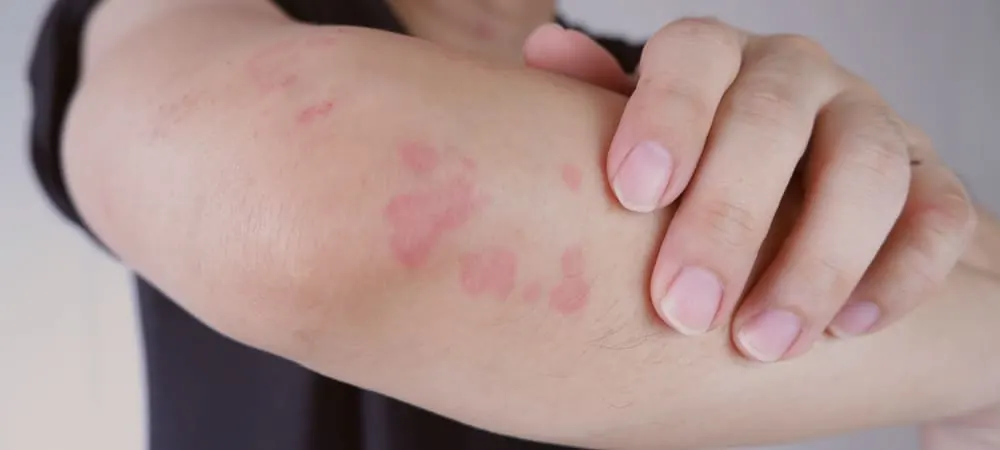
Hives, referred to in medical literature as "urticaria," is a skin reaction characterized by itchy red welts on the skin. It mostly results from an allergic reaction to foods or to something you have touched. In some cases, it can occur due to various causes such as infections, stress, or side effects of medications. Hives can disappear quickly (acute urticaria) or last a long time (chronic urticaria). Its symptoms include itching, redness, swelling, and raised welts in certain areas of the skin. In some cases, hives can be severe and may be accompanied by symptoms such as difficulty breathing and difficulty swallowing. Treatments may include antihistamines or steroids. However, in chronic urticaria, it is important to identify the underlying cause and start appropriate treatment.
What Is Hives?
Hives are red welts or patches that appear on the skin. They occur in the surface layer of the skin and are a sign that an allergic reaction is taking place in the body. Allergic reactions occur when a person's immune system comes into contact with any allergen. Allergens are harmless for many people, but in individuals with a sensitive constitution they can cause an allergic reaction. Hives is usually a very itchy condition. In addition to itching, burning or stinging may also occur. Their size can range from as small as a fingertip to as large as a dinner plate. The medical name for hives is urticaria. Hives tend to start to subside within 24 hours, but symptoms may persist for several days or longer.
What Are the Symptoms of Hives?
Hives rashes appear on the skin as raised welts or patches, usually itchy but which can also be painful. They may be red or skin-colored. Symptoms of hives may include:
Acute Hives Symptoms
Hives appear differently depending on the person and the situation. They can appear anywhere on your body. Symptoms of acute hives are:
Raised welts or swelling on the skin
Fading of color when pressure is applied to the area with hives
Itching
In some cases, painful swelling of the lips, eyes, and throat
Chronic Hives Symptoms
In many respects, chronic hives and acute hives can resemble each other. There may be itchy, swollen, raised spots. However, symptoms of chronic hives may also include:
Rashes that change in size and shape
Symptoms that last for long periods, appearing at least every few days, disappearing and then reappearing
Symptoms Occurring With Heat, Exercise, or Stress
What Causes Hives?
Acute hives are usually an allergic reaction to something you put into your body, such as food, drink, or medication, or to something you touch. Unlike acute hives, chronic hives are usually not caused by allergies. They can occur as a result of infections caused by bacteria and viruses or other medical conditions such as lupus. Some causes of hives include:
Allergic Reactions: Excessive sensitivity of the body to various allergens such as foods, medications, insect bites, and latex may cause hives to appear.
Medications: Some drugs, especially many types of medications such as antibiotics, painkillers, anti-inflammatory drugs, and blood pressure-lowering drugs, may lead to the appearance of hives.
Infections: Viral or bacterial infections, especially upper respiratory tract infections, can trigger hives.
Stress: Stress can affect histamine levels in the body and may contribute to the appearance of hives.
Physical Triggers: Physical factors such as temperature changes, sunlight, pressure, and friction may trigger the appearance of hives.
Autoimmune Diseases: Some autoimmune diseases, especially autoimmune urticaria, can cause the body to attack its own tissues, leading to the appearance of hives.
Food Additives: Sensitivity to food additives such as colorings, preservatives, and sweeteners may cause hives to appear.
How Is Hives Diagnosed?
Doctors usually begin diagnosis by taking a patient history and performing a physical examination. Allergy tests can help determine what triggered the reaction, but this primarily applies to acute hives. The patient's allergies, new substances recently consumed or contacted, medications, and environmental factors are taken into consideration. Doctors may also request some allergy and laboratory tests for diagnosis. Hives tests may include:
Investigations: Some laboratory tests and imaging methods may be requested to confirm the diagnosis of hives and identify underlying causes. Procedures such as blood tests, allergy tests, or skin biopsy may contribute to diagnosis.
Blood tests: A blood test checks for specific antibodies in your blood. Your body produces antibodies to fight allergens. If your body produces too many antibodies, hives and swelling may develop.
Allergy Tests: In some cases, skin tests may be performed to determine whether hives are related to an allergic reaction. During this test, healthcare professionals test different allergens on your skin. If your skin becomes red or swollen, this means you are allergic to that substance. This type of allergy test is also called a skin prick or scratch test. Skin testing is usually not performed for chronic hives.
Evaluation of Chronic Hives Cases: In chronic hives cases, identifying the underlying cause can be more complex. In this case, the doctor may request further medical imaging and specialist opinions (allergist, dermatologist, etc.).
How Is Hives Treated?
Most of the time, hives go away on their own without any intervention under a doctor's supervision. In addition, the doctor may recommend medications and home care in some cases. Some treatment methods may include:
Allergy medications: Antihistamine medications may be prescribed by a doctor. Antihistamines can relieve itching from hives, helping allergic reactions subside or the severity of symptoms decrease.
Corticosteroids: In severe cases of hives, the doctor may prescribe powerful anti-inflammatory medications such as corticosteroids. These medications relieve itching and welts by reducing inflammation. Corticosteroids are usually used in short-term treatments, and long-term use may cause side effects, so it is important to use them under a doctor's supervision.
Allergy shots: For the treatment of chronic hives, the doctor may recommend some injections. These injections may be scheduled monthly to prevent allergic reactions. Patients with severe allergy symptoms produce large amounts of immunoglobulin E (IgE) antibodies. These injections help prevent your immune system from producing IgE.
Epinephrine (Adrenaline) Injections: In cases of hives associated with sudden and severe allergic reactions, doctors may administer epinephrine injections in emergencies. These injections can help quickly bring serious symptoms such as difficulty breathing under control.
Home treatments: A cool bath, looser clothing, and cold compresses may be helpful in relieving hive symptoms. Hydrocortisone or antihistamine cream given by a doctor may relieve itching and swelling.
Avoiding Allergens: In cases where hives are associated with an allergic reaction, avoiding allergens is important. This includes identifying the substances that come into contact with the body, such as specific foods, medications, or materials, and protecting against them.
Frequently Asked Questions
Hives is a condition that is examined and treated by dermatology specialists because it is a reaction occurring on the skin. Dermatologists evaluate the patient's medical history and symptoms to determine the cause of hives and plan appropriate treatment. Hives can sometimes occur as a result of stress. Stress can affect the body's immune system, leading to allergic reactions and inflammation, which can contribute to the appearance of hives symptoms. There are some methods that can be applied at home under a doctor's supervision to relieve hives itching. Cold compresses can temporarily reduce itching and soothe the skin. Also, moisturizing lotions or creams can relieve hives itching by moisturizing the skin and provide a soothing effect. However, in cases of severe itching and discomfort, doctors may recommend different treatment methods. Hives is not a disease that is transmitted from one person to another. Hives usually occur due to various causes such as allergic reactions, infections, stress, or side effects of some medications. Therefore, hives are not transmitted from one person to another through contact or through the air. In infants, hives usually occur due to allergic reactions or skin irritation. Infants' delicate skin may be more sensitive to external factors, which may facilitate the formation of hives. Hives and scabies, although both are skin-related conditions, are different diseases. Hives is a skin reaction characterized by itchy red welts and usually occurs due to causes such as allergic reactions, infections, or stress. Scabies, on the other hand, is an infection caused by the mite Sarcoptes scabiei, a parasite that lives in the upper layer of the skin, and generally shows symptoms such as itchy rashes, red lesions, and burrows on the skin. While hives cause itching, scabies can also lead to severe itching that often increases at night. Hives symptoms begin to decrease and disappear within a few days. In mild cases, hives symptoms can often subside and disappear on their own within a few hours. However, in chronic hives cases, symptoms can last long and may not respond to treatment, in which case planning treatment under a doctor's supervision is important.
Hives is generally an allergic skin condition that can cause difficulties in daily life for people. Patients who experience hives symptoms can make an appointment at the dermatology department of hospitals for treatment.
If your hives complaints affect your daily life, or if itching and rashes recur, it is important to get a specialist evaluation without delay. Correctly identifying the underlying cause of hives plays a critical role in effective and lasting treatment. Our dermatology specialists will manage the process with confidence by creating a personalized diagnosis and treatment plan for you. To learn about allergy tests used to identify the factors that trigger hives and to make an appointment quickly, you can review our relevant pages.
Start with the right assessment for What Is Hives (Urticaria)? Symptoms and Causes
Share your symptoms with our specialist physicians; let us determine the right diagnosis and treatment plan together.
Warning
If your symptoms started suddenly, are progressing rapidly, or significantly restrict your daily life, consult a physician without delay.
Plan your What Is Hives (Urticaria)? Symptoms and Causes journey with our specialists.
Fill in the form or book an appointment to learn about treatment options, the process and preparation.