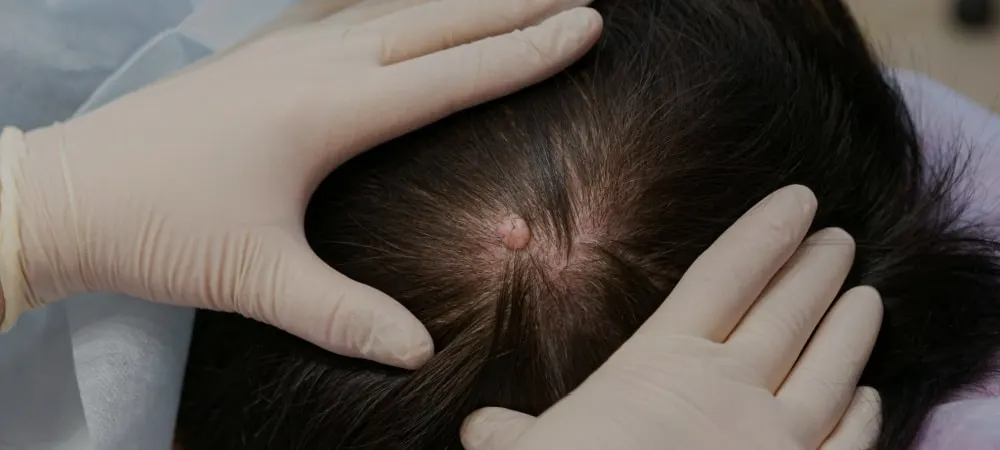
Hidradenitis Suppurativa (Acne Inversa)
Hidradenitis suppurativa, also known as acne inversa, consists of painful, inflamed, and deep lumps that form under the skin. These lumps can appear in areas where the skin rubs together, such as the armpits, chest, groin, and buttocks. It frequently begins after puberty and before the 40s. The course of the disease can continue for many years and worsen over time. This condition can negatively affect daily activities and social life. In particular, pain, foul odor, scarring, and drainage can impact individuals both physically and emotionally. Generally more common in women, acne inversa is a health issue influenced by genetic factors.
Certain classifications, imaging, and laboratory tests may be necessary for diagnosing hidradenitis suppurativa. Treatment methods vary and are tailored according to the severity of the disease. Lifestyle modifications, medical therapy, laser therapy, and surgical excision methods can be applied alone or as combination therapy. Additionally, psychological support and additional supportive treatments for pain management may also be utilized.
What is Hidradenitis Suppurativa (Acne Inversa)?
Known as hidradenitis suppurativa, this condition is a skin disorder characterized by painful, deep boils on the skin. Hidradenitis suppurativa, or acne inversa, is a non-contagious but chronic inflammatory condition. Acne inversa begins to develop in the hair follicles of the skin and in the sweat and sebaceous glands associated with the hair roots. The thickening and subsequent clogging of the hair roots can lead to the follicles rupturing and becoming inflamed. It is estimated that this condition occurs as a result of the combined effects of hormones, genetics, and environmental conditions. However, it can be said that it is not caused by poor hygiene conditions.
Deep and pus-filled lumps in the skin can progress to other areas through drainage. Lumps can leak pus by forming narrow channels under the skin called "sinus tracts (pilonidal sinus)." Sinus tracts can also be described as "tunnels." When these lesion areas heal, they tend to leave marks. Additionally, firm scars may be seen as a result of pus leakage. When multiple and large boils are located in the same area, they may merge or connect with each other. They mainly develop in the armpits, groin, and chest, where coarse hairs are located. Less commonly, they can appear on the neck, face, back, around the navel, and on the ears. Acne inversa lumps can allow secondary infections caused by bacteria.
What Are the Symptoms of Hidradenitis Suppurativa?
Symptoms of hidradenitis suppurativa can appear in a specific area or multiple areas of the body. The course of the disease can vary from person to person. While some individuals experience milder symptoms, certain environmental conditions are associated with severe symptoms. Factors such as smoking and tobacco use, obesity, etc., can cause symptoms to worsen. Common symptoms of acne inversa may include:
Small, pitted areas of skin containing double blackheads,
Pus-filled and draining swellings or sores,
Painful lumps,
Pea-sized swellings in areas where skin rubs together,
Lumps connecting to each other in a tunnel-like fashion beneath the skin,
Connecting boils leaking blood or pus.
In some cases, acne inversa can lead to open wounds without healing. This situation can lead to physical and psychological negative effects. When HS appears in one area of the body, it is often seen symmetrically on the other side of the body as well. Pea-sized lesions can rupture within hours or days and begin to leak pus. This can create new lumps in the surrounding tissues.
What Causes Hidradenitis Suppurativa?
While the exact cause of hidradenitis suppurativa is unknown, multiple factors are known to play a role in its development. Lesions occurring inside the hair follicles due to various reasons are seen as follows:
Sweat, keratin, microorganisms, etc., accumulate in the hair roots and the follicle becomes clogged.
Bacteria begin to multiply in the clogged follicles and the follicle ruptures. With this rupture, inflammation begins to leak and deep pain occurs.
Leaking pus spreads to other hair follicles. When multiple hair roots are affected, prominent lumps and tunnels emerge.
Follicles that begin to heal may leave scars behind. However, hair follicles that do not heal continue to become clogged and rupture.
Approximately 33-40% of people with HS have a family history of hidradenitis suppurativa. In addition, certain factors can contribute to the development of hidradenitis suppurativa or be considered risk factors. These factors include:
Obesity,
Smoking,
Sex hormones,
Crohn's disease,
Psoriasis,
Hormonal disorders (PCOS),
Consumption of foods with a high glycemic index.
Other potential causes and risk factors for hidradenitis suppurativa may include friction, medications, and various bacteria.
How is Hidradenitis Suppurativa Diagnosed?
The diagnosis of hidradenitis suppurativa can be established by clinically evaluating the location, symptoms, and morphological (appearance) characteristics of the lesions. There is no specific and definitive test for the diagnosis of HS. Pain, burning, and stinging may occur approximately 12 to 48 hours before the appearance of lesions. It may develop in the presence of triggers such as menstruation (periods), stress, hormonal changes, sweating, excessive body temperature, and weight gain. Fever may not be observed in patients during the early stages.
Generally, lesions can be 0.5-2 cm in size, foul-smelling, and draining. Although they have an appearance similar to boils, the lumps are deep and capable of rupturing. Furthermore, lesions that communicate with each other can ulcerate. In this context, ultrasound examination of tunnel-forming lesions can be one of the imaging methods utilized. Severe lesion connections may require imaging with MRI. In cases where secondary infections are suspected, a swab sample can be taken for analysis. Metabolic syndrome, hypertension, diabetes, inflammatory bowel diseases such as Crohn's disease, and dyslipidemia are also taken into consideration during diagnosis.
How is Hidradenitis Suppurativa Treated?
Hidradenitis suppurativa treatment helps prevent serious complications and keep symptoms under control. Various types of treatment can be applied alone or in combination. The main methods included in the treatment plan may comprise:
Medical therapy: Liquid or gel topical antibiotics help control mild symptoms. In addition, antibiotic pills may be prescribed in single or multiple regimens. Long-term antibiotics may be used in the severe course of the disease. Steroid injections to reduce inflammation, hormone therapies to improve hormonal disorders, analgesics for pain management, and medications such as retinoids may be included in the treatment plan as needed.
Surgical procedures: Surgical interventions may be resorted to in the presence of abscesses and tunnels in individuals. Procedures to unroof or deroof tunnels under the skin can be performed in moderate to severe HS patients. This procedure often may not require repeat surgery. The punch debridement procedure involves the removal and cleaning of inflamed lumps. In severe cases, surgical removal of all skin affected by HS may be deemed necessary. Additionally, laser therapy may be recommended for healing HS wounds. The HS condition generally does not recur after laser treatment for hidradenitis suppurativa.
HS hidradenitis suppurativa can be controlled through lifestyle adjustments. Paying attention to regional hygiene and care, weight control, smoking cessation, and dietary regulation can be among these actions.
Frequently Asked Questions
Hidradenitis suppurativa is not a contagious disease. It is a health issue that cannot be transmitted due to poor hygiene conditions or related factors. However, inflamed abscesses can spread to other skin areas, allowing the infection to disseminate. Therefore, early diagnosis and treatment of hidradenitis suppurativa are important. When treatment for acne inversa is not provided, it can pave the way for various physical and psychological complications. Recurrent HS can cause chronic abscesses, pain, tunnels, and scarring. These symptoms can lead to difficulties in limb movement and peripheral lymphedema. Additionally, chronic inflammation can lead to the development of hyperproteinemia, anemia, and amyloidosis. When recurrent infections combine, systemic diseases can develop. Among its psychological effects, depression, sexual dysfunction, and social isolation are commonly seen effects. Hidradenitis suppurativa treatment may include analgesics, steroid injections, hormone replacement, retinoids, topical and oral antibiotics, biologic agents, surgery, and laser therapy. In addition to medical interventions, quitting smoking and alcohol, reaching an ideal body weight, managing stress and anxiety, and avoiding tight and uncomfortable clothing may be necessary. Hidradenitis suppurativa may not always transform into cancer. However, in some studies, the possibility of cancer development has increased as a result of the persistence of risk factors. Non-melanoma skin cancer, squamous cell carcinoma, colorectal and prostate cancer, malignant lymphoma, Hodgkin lymphoma, and CNS cancers are considered types of cancer at risk, influenced by smoking, alcohol consumption, hormonal disorders, and genetic conditions. Nutritional therapy for hidradenitis suppurativa can provide positive feedback in the course of the disease. In particular, losing excess weight and maintaining an ideal weight can be effective in improving HS symptoms. In this context, foods recommended to be avoided in the presence of acne inversa may include processed sugary foods and beverages, bacon, sausage, salami, and sucuk (Turkish garlic sausage) products, high glycemic index foods, dairy products, alcohol, foods containing brewer's yeast, and foods with a high saturated fat content. It can be said that the Mediterranean diet is a recommended dietary regimen regarding hidradenitis suppurativa and its treatment. The most common clinical complaint in hidradenitis suppurativa is deep pain. The swelling of lumps and filling with pus can cause the pain to intensify. Pain management may require pain-relieving medications prescribed by your doctor, applying warm compresses, and choosing loose and comfortable clothing.
You can schedule an appointment with the Hisar Hospital Dermatology Department for the diagnosis and treatment of hidradenitis suppurativa. Our expert physicians will evaluate the causes of the disease and create a personalized treatment plan for you with minimal surgical and systemic treatment options. To make an appointment, you can visit our appointment page or fill out the form below.
Start with the right assessment for What is Hidradenitis Suppurativa (Acne Inversa)? Symptoms, Causes, and Treatment
Share your symptoms with our specialist physicians; let us determine the right diagnosis and treatment plan together.
Warning
If your symptoms started suddenly, are progressing rapidly, or significantly restrict your daily life, consult a physician without delay.
Plan your What is Hidradenitis Suppurativa (Acne Inversa)? Symptoms, Causes, and Treatment journey with our specialists.
Fill in the form or book an appointment to learn about treatment options, the process and preparation.