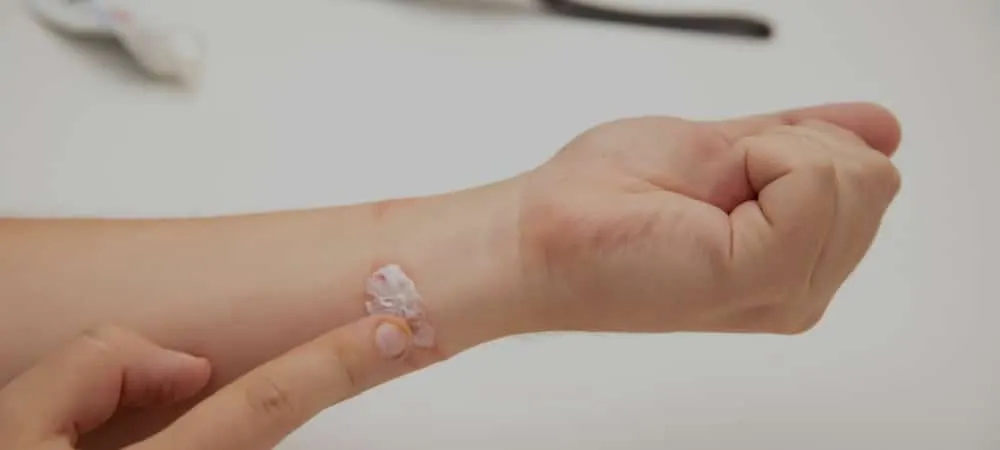
Contact Dermatitis
Contact dermatitis refers to skin rashes that occur as a result of skin contact with any substance or due to related allergic reactions. It can occur with the use of many products such as perfumes, skincare products, and metal jewelry. The rashes may appear red and raised. It is also uncomfortable due to the itching experienced. Although it may be thought to be a contagious disease based on its appearance, it does not spread from person to person. It usually resolves on its own once the allergen or irritant is removed.
What is Contact Dermatitis?
Contact dermatitis is a disease condition that includes symptoms of rash, redness, and itching resulting from the contact of a part of the skin with allergic and irritating substances. Skin diseases known as dermatitis can be described as skin irritation or swelling of the skin as a result of inflammatory reactions. In contact dermatitis, direct contact can be considered a distinguishing factor for the emergence of symptoms. Types of contact dermatitis can be examined in two categories:
Allergic contact dermatitis: Involves inflammatory reactions that develop after the patient comes into contact with substances to which they are allergic. It is commonly observed to develop against perfumes, metal jewelry products, and preservatives.
Irritant contact dermatitis: Occurs as a result of prolonged exposure to substances that are not allergens but have irritating properties. It is frequently seen against products such as soaps and detergents.
What Are the Symptoms of Contact Dermatitis?
The most prominent symptom of contact dermatitis is known as rashes experienced in the contact area. Some of the symptoms of contact dermatitis can be listed as follows:
The area where the rash occurs is red, purple, or darker than other areas,
Swollen and raised areas,
Skin containing pimple-like structures and blisters on it,
Transparent or pus-filled discharge,
Burning and stinging sensation,
Pain in the skin,
Peeling and flaking of the skin in the area,
Itching,
Dry and cracked skin.
When itching occurs, scratching the area with fingernails or using a hard object can cause open wounds to form. Open wounds increase the risk of infection. For this reason, safer methods such as gently tapping the itchy area or applying ice should be used.
How Does Contact Dermatitis Occur?
Contact dermatitis occurs as a result of the body's reaction after a substance comes into contact with the skin. Substances on the skin bind to proteins in the skin, causing sensitivity. The immune system identifies this substance as a threat and a foreign agent, and activates its defense mechanism. Symptoms usually do not appear immediately; they become evident after a few days and may continue to increase if contact with the stimulating substance is not stopped. Some of the common causes of contact dermatitis can be listed as follows:
Plants and herbal products,
Jewelry metals,
Prescription or over-the-counter medications,
Acidic products,
Body fluids such as saliva, urine, and sweat,
Cleaning products such as soap and detergent,
Hair dyes,
Latex and rubber materials,
Paint, varnish.
Depending on the area where symptoms are seen, different substances may be suspected. A patient experiencing contact dermatitis on the vulva may have been affected by the fabric of their underwear or the detergent they use. If contact dermatitis is seen on the hands, this may be caused by products such as dish soap or hand soap.
How is Contact Dermatitis Diagnosed?
For the diagnosis of contact dermatitis, a physical examination is first performed while the patient's complaints are listened to. Although there is no test that provides a definitive result, some tests may be used to rule out other suspected diseases. For example; in a patient with contact dermatitis on the foot, complaints can be confused with athlete's foot, or contact dermatitis in the genital area can be confused with genital fungal infections. To prevent such situations, the use of tests such as blood tests and urinalysis may be preferred.
In diseases such as eczema and contact dermatitis, it is possible to apply a general treatment without considering the causative agent. In addition, a patch test can be applied to identify the substances that damage the skin and lead to the development of symptoms. For the patch test, small squares are drawn on the back and the inside of the arm. A different allergen is applied to each of these squares. The occurrence of reactions such as swelling and itching indicates the presence of an allergy to that substance in the body.
How is Contact Dermatitis Treated?
In the first stage of contact dermatitis treatment, interaction with the irritant or allergen must be stopped. To minimize flaking and allow the skin to recover naturally, it is recommended to saturate the skin with moisture using a fragrance-free moisturizer suitable for the skin structure. In addition, steroid-containing creams can be applied to the lesions that have formed. If the area covered by the rashes and the level of impact are large, systemic steroids may be preferred. Steroids can be effective in alleviating symptoms by suppressing the immune system's response. Especially in patients with allergic contact dermatitis, antihistamine tablets and creams can be applied. The formulation of the products used varies depending on the area where the symptoms are located. For the treatment of vaginal contact dermatitis, vaginal creams and suppositories can be used. In addition to medical treatment, some methods that can be applied at home can accelerate healing. These methods can be applied regardless of the type of contact dermatitis. Some methods that can be applied in the treatment of contact dermatitis are as follows:
During skin cleansing, care should be taken to use cleansers with moisturizing properties that are suitable for the skin structure.
Cold compresses can be applied to alleviate itching and pain. Ice packs and cold gels kept in the refrigerator can be used on the skin by wrapping them in a towel to prevent direct contact with the skin.
When itching occurs, scratching with fingernails can cause open wounds and lead to the skin becoming susceptible to infection. For this reason, measures such as cutting nails and wearing protective gloves can be taken.
Taking a warm shower can be effective in relaxing the skin. Deeply moisturizing the skin after the shower can also reduce complaints.
Frequently Asked Questions
Allergic contact dermatitis is not passed from parents to children like hereditary diseases. However, it is more likely to be seen in people who have allergy-related diseases such as allergic rhinitis, asthma, or eczema in their family. Allergic contact dermatitis, also known as atopic contact dermatitis, is a disease condition that includes symptoms caused by the inflammatory mechanism activated by the body's immune system after contact with an allergen. Similar symptoms can also occur as a result of oral intake in addition to contact with an allergen. Among the common causes of allergic contact dermatitis, many products such as perfumes, sweeteners, antibiotic creams, cosmetic products, pollen, toothpastes, and mouthwashes can be counted. For the treatment of allergic contact dermatitis, antihistamine creams and pills can be preferred in addition to steroid products. Irritant contact dermatitis is the name given to the disease that occurs as a result of prolonged contact with substances that have irritating properties. It manifests itself with skin irritation, rashes, and itchy lesions as a result of frequent exposure to abrasive substances such as soap and detergent. The risk of occurrence is higher in people who have atopic eczema problems. Common substances that lead to irritant contact dermatitis include antiseptics, antibacterial sprays, cement, dust, soil, and various oils. Symptoms are experienced similarly to allergic contact dermatitis. Contact dermatitis begins to show symptoms minutes or hours after contact. The resulting rashes usually heal after a 2-4 week period. However, the duration, area of spread, and severity of the symptoms may vary. Variables such as the size of the exposure area, the response shown by the patient's immune system, and the substances interacted with affect the duration of the complaints. The medical drugs preferred for treatment also change the healing process. For example, relief and a decrease in symptoms can be experienced within 12-24 hours after the application of products containing systemic steroids. After the substance causing allergic contact dermatitis is identified and contact with this substance is eliminated, symptoms show spontaneous improvement after a few days or weeks. If the affected area is small and the symptoms are mild, recovery can be expected without intervention. In some cases, it is possible to manage symptoms with simple methods applied at home, such as cold compresses and moisturizing the skin. However, in cases such as the inability to identify the substance causing the dermatitis, the spread of symptoms to a large area, and the observation of severe complaints, it is necessary to apply to the nearest health institution without delay. Experiencing contact dermatitis in an infant is also one of the situations where it should not be expected to pass on its own. There is no special test that can be applied to diagnose contact dermatitis. After it is decided that contact dermatitis is being experienced, a patch test can be performed to determine what the triggering substance is. To perform a patch test, squares are drawn on the inside of one of the arms or on the back, equal to the number of substances to be applied. These squares are numbered and matched with the applied substances. After the application, wait for about 15-30 minutes and observe the symptoms experienced. It is accepted that an allergy has developed against the substances in the compartments where symptoms such as swelling, itching, and redness are observed. After this procedure, it may be preferred to moisturize the area well for a while and protect it against external factors. Contact dermatitis is a type of eczema that occurs as a result of contact. Its difference from other types of eczema is that there is direct contact with an allergen or irritant. Allergic eczema can lead to symptoms similar to contact dermatitis. However, while allergic eczema is a hereditary disease, this is not the case with contact dermatitis. Allergic contact dermatitis falls under the interest of the dermatology department. If the root cause of the allergy is to be investigated, referral of the patient to the immunology and allergic diseases department may be preferred. In patients diagnosed with vaginal contact dermatitis, an examination can be performed by a gynecologist.
If you also have complaints such as redness, itching, and skin rash, you can reach a definitive diagnosis and an appropriate treatment plan by making an appointment with our expert Dermatology doctors without delay.
Contact us immediately or make an online appointment.
Start with the right assessment for What is Contact Dermatitis? Symptoms, Causes, and Treatment
Share your symptoms with our specialist physicians; let us determine the right diagnosis and treatment plan together.
Warning
If your symptoms started suddenly, are progressing rapidly, or significantly restrict your daily life, consult a physician without delay.
Plan your What is Contact Dermatitis? Symptoms, Causes, and Treatment journey with our specialists.
Fill in the form or book an appointment to learn about treatment options, the process and preparation.