Red Eye Disease (Conjunctivitis)
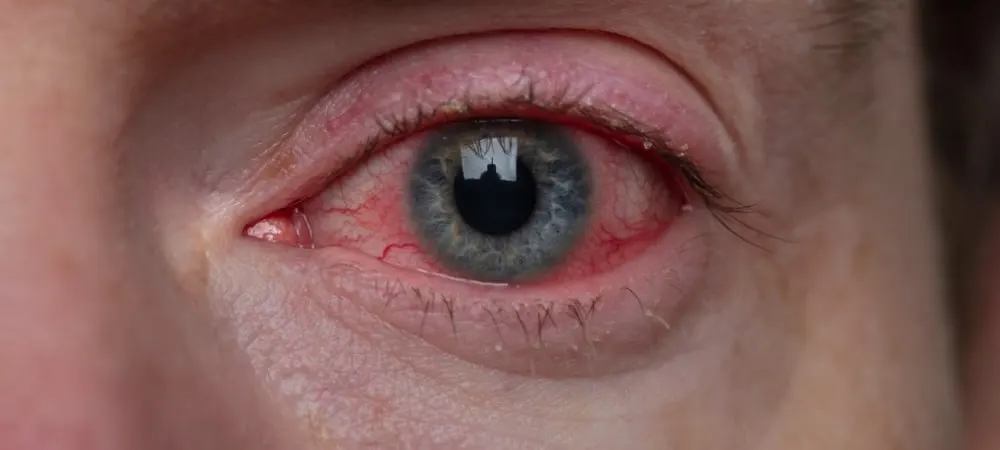
Red eye disease, known as conjunctivitis, is a condition where the conjunctiva, which covers the outer layer of the eye, becomes inflamed due to various reasons. Conjunctivitis can be acute or chronic and, in some cases, may be contagious. A series of symptoms typically lasting 3-4 weeks may follow an acute course, while symptoms persisting for 4 weeks or longer may indicate chronic conjunctivitis. In some individuals, only one eye is affected, while in others, both eyes may show symptoms.
The thin blood vessels in the conjunctiva can become blocked, swollen, and infected. As a result, the white part of the eye may turn pink or red and become swollen. Allergens, bacteria, and viruses are common causes of this inflammation. Allergic conjunctivitis can follow an acute and non-contagious course. Contagious red eye disease can negatively affect visual quality and social life. However, bacterial and viral cases are generally contagious and may require certain precautions. Early diagnosis is important to prevent spread and accelerate the recovery process.
What is Red Eye Disease (Conjunctivitis)?
The slippery and transparent outer layer of the eye is called the conjunctiva. The conjunctiva is responsible for the production of tears and mucus. In this way, it helps protect the eye by ensuring it remains lubricated and moist. It is located on the inner part of the eyelids and contains various blood vessels. Due to certain reasons, the vessels in this tissue can become blocked and swollen, leading to inflammation. This condition is known as “conjunctivitis” and is one of the common causes of eye redness. The main types of red eye disease are:
Bacterial conjunctivitis: Staphylococcus aureus, Streptococcus pneumoniae, and Haemophilus influenzae bacteria are the most common causes of conjunctivitis in adults. Additionally, conjunctivitis can be seen in sexually active individuals and newborns. Therefore, painful, discharging, or purulent conjunctivitis can be contagious.
Viral conjunctivitis: It can be caused by viruses that lead to the common cold. Viral red eye disease is contagious and can spread in crowded environments. It is also possible for viruses to reach the conjunctiva through the nose, throat, lungs, and tear ducts. In general, adenoviruses are often responsible for viral cases.
Allergic conjunctivitis: Substances that can cause allergic reactions in the eyes can trigger red eyes. Factors such as pollen, animal dander, cigarette and exhaust smoke, pool chlorine, etc., can lead to an itchy, discharging, and red eye presentation.
Additionally, some toxins and irritants can be non-contagious causes of red eye disease.
What Are the Symptoms of Red Eye Disease?
Symptoms of red eye disease can occur in one or both eyes. However, signs and symptoms may vary from person to person. The blockage and inflammation of conjunctival vessels often present with similar characteristics in individuals. Therefore, symptoms of conjunctivitis may include:
Red or pink color in the white of the eye,
Watery eyes,
Itching, burning, or irritation in one or both eyes,
Green, yellow, or white purulent discharge,
A sensation of having a foreign body in the eye,
Swelling of the eyelids,
Photophobia (sensitivity to light),
Dryness in the eyes,
Redness on the inner surface of the eyelid,
Blurred vision,
Pain in the eyes.
The presence of symptoms may vary depending on whether the conjunctivitis is viral, bacterial, or allergic. Generally, bacterial and viral cases, which are contagious, can spread through mucus or pus.
How is Red Eye Disease Diagnosed?
During diagnosis, physical examination, medical history, and in some cases, family history may be taken into account. Surgical history, medication use, and the evaluation of signs and symptoms can assist in the diagnosis. It may be necessary to examine the conjunctival tissue and external eye structures using light and magnification techniques. Eye measurements may be taken to detect blurred vision or vision problems.
It may be necessary to collect samples from discharging or purulent eyes using soft-tipped swabs to examine the fluid in a laboratory. Culture analysis may be preferred, especially in patients suspected of having bacterial conjunctivitis and in cases with severe symptoms. Less frequently, culture analysis may be used in cases of sexually transmitted infections and the presence of a foreign body in the eye. In cases of red eye disease that do not respond to treatment, other tests and imaging methods may be used for support. A blood test may be necessary to determine the underlying cause of the infection.
How is Red Eye Disease Treated?
Conjunctivitis treatment is planned according to the type of case and the presence and severity of symptoms. The treatment plan often involves medication. Since some red eye disease treatments are determined more specifically, early and accurate diagnosis is an important step. Treatment for red eye disease mainly includes:
Viral conjunctivitis: Viral red eye disease is not treated with antibiotics. It often tends to resolve on its own. However, if the conjunctival inflammation is caused by Herpes simplex, Varicella zoster, or other sexually transmitted viruses, antiviral treatment may be necessary. If left untreated, these viruses can lead to permanent damage and vision loss.
Bacterial conjunctivitis: This condition caused by bacteria can be controlled with antibiotic treatment. Antibiotic-containing pills, eye drops, and ointments are frequently prescribed.
Allergic conjunctivitis: In cases where various allergens cause irritation and inflammation in the eyes, antihistamines, decongestants, steroids, and anti-inflammatory drugs may be preferred.
Red eyes affected by irritants should be washed with plenty of water upon contact. Subsequently, emergency medical attention is required. In some cases, antifungal or antiparasitic drugs may be preferred for types of conjunctivitis caused by fungi and parasites. In the presence of persistent conjunctivitis, be sure to contact a relevant healthcare institution.
What is the Post-Treatment Process for Red Eye Disease?
Eye care should be performed carefully during and after the conjunctivitis treatment process. Contagious bacteria and viruses, as well as allergens, can re-trigger red eye disease. If careful care is not provided during the post-treatment process, the eyes may become susceptible to inflammation. In this context, some recommended practices after treatment are as follows:
Pillowcases, bed sheets, and hand and face towels should be changed frequently and washed with hot water.
Attention should be paid to using glasses instead of contact lenses. Glasses should be cleaned frequently.
Cosmetic products applied to the eye and its surrounding area should not be used. Furthermore, materials applied to the face should not be shared with anyone.
Hands must be washed before touching the face and eyes.
Eye drops used for an infected eye should not be used for healthy eyes.
Cold compresses may be recommended to relieve or soothe burning, itching, pain, and swelling.
Frequently Asked Questions
Red eye disease, which frequently appears among clinical eye symptoms, is generally not a serious health problem. However, determining the underlying conditions and ensuring appropriate treatment is an important step. In this context, you can read the rest of the article to reach frequently asked questions and answers regarding the diagnosis and treatment of red eye disease. Redness in the eyes can indicate one or more health problems. These health problems can generally be:
Corneal ulcer,
Conjunctivitis,
Dry eye syndrome,
Allergies,
Uveitis,
Eye tumor,
Glaucoma,
Blepharitis,
Herpes zoster (shingles).
To determine the primary cause of redness in the eyes, other signs and symptoms must also be evaluated. As a result, an appropriate treatment plan can be created. The recovery time for red eye disease can be related to the type of conjunctivitis. Allergic conjunctivitis can appear suddenly in individuals who come into contact with allergens such as dander, pollen, or smoke. Since acute atopic conjunctivitis usually shows a rapid and sudden reaction, recovery can be seen with the removal of the allergen from the environment.
The clinical picture of adenoviral conjunctivitis may be milder compared to bacterial cases. It often does not require treatment, and an evaluation based on symptoms can be made. Red eye disease caused by viruses can resolve on its own within 1-2 weeks. However, depending on various conditions, this period may reach 2-3 weeks in some individuals. Bacterial conjunctivitis can resolve within 1 week or may persist for up to 2 weeks. Viral and bacterial conjunctivitis are health problems that carry a risk of transmission. These viruses and bacteria can spread to objects such as contact lens cases, cosmetic products, etc., and can be transmitted from these objects to the hands, face, or eyes. Microorganisms that show contagious characteristics can also spread on pillowcases, towels, and hand cloths. Apart from this, some types of microorganisms can be transmitted sexually and during birth. Treatment for red eye disease is primarily directed towards medication. If conjunctivitis is of adenoviral origin, the aim may be to alleviate symptoms. Antibiotic-containing eye drops and medications are not preferred in viral cases. Conjunctivitis caused by bacteria often focuses on antibiotic treatments. Allergic conjunctivitis may require emergency medical intervention such as antihistamines and decongestants. To prevent the recurrence of red eye disease, attention should be paid to hand and face hygiene, and care should be taken during the post-treatment process. Red eye disease can lead to discharge or dryness in the eye, itching and pain, swelling, and a burning sensation. Depending on the existing symptoms, tear drops may be prescribed. Cold compresses can be good for swelling and burning. It may be necessary to stop using contact lenses during the recovery process. In case the eyelids stick together due to dryness or discharge, cleaning wipes recommended by your doctor can be used to clean the debris. Additionally, it may be necessary to rest the eyes, keep them away from blue screens, and use glasses for sensitive eyes. Eye problems that can manifest as red eye may arise from the deficiency of various vitamins. Some vitamins and minerals can be effective in the development of health problems such as dry eye disease, decreased night vision, corneal dryness, and subconjunctival hemorrhage. These can mainly be listed as follows:
Vitamin A,
Vitamin B1 (thiamine),
Vitamin B12 (cobalamin),
Vitamin C,
Vitamin D,
Vitamin E.
Depending on the deficiency of one or more fat-soluble and water-soluble vitamin groups, other symptoms may develop along with eye redness.
If you are experiencing redness, discharge, burning, or blurred vision in your eyes, it is important to consult our Ophthalmology specialists to correctly determine the underlying cause and prevent permanent damage. You can contact us to get detailed information about the diagnostic and treatment services for your eye health at Hisar Hospital Intercontinental.
Contact us for appointments and detailed information.
Start with the right assessment for What is Red Eye Disease (Conjunctivitis)? Symptoms, Causes, and Treatment
Share your symptoms with our specialist physicians; let us determine the right diagnosis and treatment plan together.
Warning
If your symptoms started suddenly, are progressing rapidly, or significantly restrict your daily life, consult a physician without delay.
Plan your What is Red Eye Disease (Conjunctivitis)? Symptoms, Causes, and Treatment journey with our specialists.
Fill in the form or book an appointment to learn about treatment options, the process and preparation.