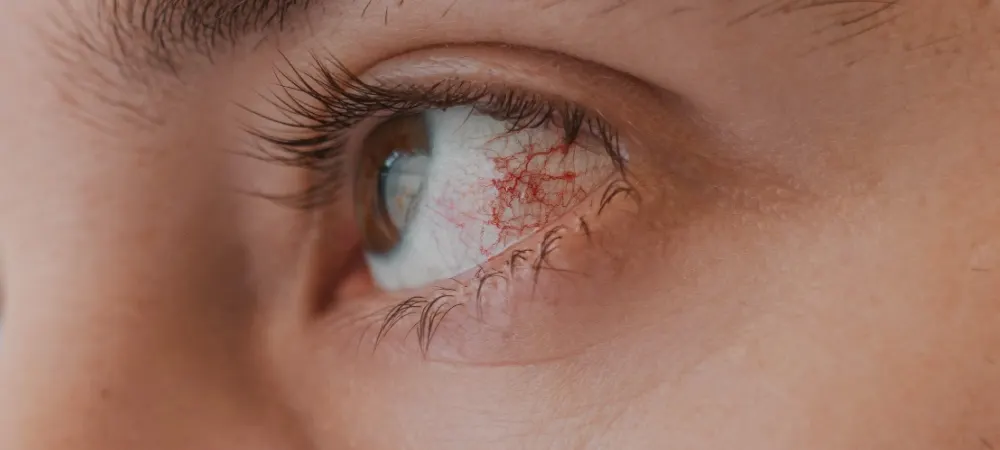
Keratitis is a health condition characterized by the inflammation of the cornea, the transparent, dome-shaped layer located at the front of the eye. Also known as a corneal ulcer, keratitis can lead to vision loss in later stages if not diagnosed and treated early.
What is Keratitis?
Keratitis, commonly known as corneal inflammation, is a health condition characterized by the inflammation of the corneal layer at the front of the eye due to infectious or non-infectious causes. Eye pain and redness are the first symptoms that come to mind when discussing keratitis. In addition to these, if not treated in the early stages, symptoms can progress to cause more serious complications such as difficulty opening the eyelid, blurred vision, and vision loss.
Corneal inflammation can occur due to an infection caused by microorganisms such as bacteria, viruses, fungi, and parasites, or it can develop due to trauma such as improper use of contact lenses or a foreign body entering the eye. For this reason, experts evaluate this health problem in two categories: infectious and non-infectious keratitis.
Keratitis treatment varies depending on the cause and severity of the disease. In cases of corneal inflammation caused by infection, various eye drops can be used depending on the type of microorganism. In cases where these are ineffective, oral medications may be included in the treatment process. However, these treatments can rarely fail, and the disease may progress, causing damage to the corneal layer and consequently leading to vision loss. In this case, it may be necessary to resort to keratitis surgery procedures such as a corneal transplant to restore visual function.
What Are the Symptoms of Keratitis?
Keratitis usually manifests itself with pain and redness in the eyes in its early stages. Accordingly, the main symptoms are as follows:
Redness in the eyes,
Pain and a gritty sensation in the eyes,
Changes in vision such as blurred vision or decreased vision,
Sensitivity to light,
Inability to open the eyes,
Watery eyes.
Corneal inflammation can affect the center of the corneal layer, or it can affect the tissues around the cornea, also known as marginal keratitis. How long after the onset of the disease symptoms appear varies depending on the factor causing the disease. In some cases of corneal inflammation, symptoms appear in a short time, while in other cases, it may take more time for symptoms to emerge.
How Does Keratitis Occur?
There are various causes for corneal ulcers, a type of eye disease that can lead to serious complications, including vision loss, if left untreated. The primary cause is infections caused by microorganisms such as viruses, bacteria, parasites, and fungi. Additionally, sources of trauma, such as a foreign body entering the eye, can also cause inflammation of the cornea. The main causes of keratitis are as follows:
Bacteria: Bacterial keratitis, caused by bacteria, accounts for the vast majority of corneal inflammation cases. Approximately 80% of bacterial corneal inflammation cases are caused by Staphylococcus, Streptococcus, and Pseudomonas bacteria. Improper use of contact lenses can damage the corneal layer and trigger inflammation. Research shows that in approximately 19%-42% of bacterial corneal inflammation patients, the cause of the inflammation is insufficient attention to contact lens hygiene.
Fungi: Fungal keratitis is a type of corneal inflammation that develops as a result of infection with various fungi, primarily Aspergillus, Candida, and Fusarium.
Parasites: Parasitic keratitis is the inflammation of the cornea as a result of a parasitic infection. Various parasites, especially the Acanthamoeba parasite, can cause inflammation in the cornea. This parasite can be transmitted through swimming in pools, lakes, or the sea, walking in wooded areas, or contact of contaminated water with contact lenses.
Viruses: Various viruses, such as human adenoviruses, especially the Herpes simplex virus, also known as the cold sore virus, can cause inflammation of the corneal layer. Herpes keratitis is a health problem that develops as a result of the inflammation of the corneal layer following the transmission of the herpes simplex virus. Herpetic corneal inflammation, which mostly affects one eye and rarely both eyes, and manifests itself with symptoms such as eye pain, redness, and light sensitivity, is usually triggered by the HSV-1 type. Herpes corneal inflammation can follow an acute or chronic course.
In acute herpetic keratitis cases, symptoms can appear very quickly after infection with the virus. However, once the cold sore virus settles in the body, it can remain dormant for a long time, and the infection can recur when suitable conditions arise. Various studies show that the herpes simplex virus is the most common cause of corneal blindness worldwide. Experts can utilize various antiviral drops and medications during both herpetic keratitis treatment and adenoviral keratitis treatment.
In addition to those listed above, in some cases, corneal ulcers can also occur due to non-infectious reasons. Non-infectious causes of corneal ulcers are as follows:
Eye injuries such as scratches,
Long-term use of contact lenses,
Not removing lenses while swimming,
Living in areas with high pollen counts,
A weakened or suppressed immune system for any reason,
Prolonged exposure to harmful sun rays.
Regardless of the cause, it is important to make an appointment with a specialist doctor and have the necessary checks performed without delay in cases where corneal inflammation is suspected.
How is Keratitis Diagnosed?
Patients who present to healthcare institutions with complaints such as redness in the eyes, pain, watering, and blurred vision are evaluated in detail by a specialist ophthalmologist. Experts first listen to the patient's complaints. Then, they examine the patient's medical history in detail by asking various questions about whether they have been exposed to any trauma that could affect their eyes or whether they have recently had an infection. After the examinations, the cornea can be examined in detail with the help of a device called a biomicroscope (slit-lamp), which helps to examine by enlarging the structures of the eye.
In addition, during the diagnosis of keratitis, experts may apply fluorescein dye to the surface of the eye to make damage to the cornea more visible and obtain a clear image. Additionally, if an infection is suspected in the patient, tissue samples taken from the cornea or collected tears can be examined in the laboratory. Early diagnosis and initiation of treatment are very important, as in every disease, to prevent the progression of inflammation in the cornea and permanent vision loss.
How is Keratitis Treated?
Keratitis treatment varies depending on the type and severity of the disease. Bacterial corneal inflammation can usually be treated with antibiotic eye drops. However, in severe cases where the infection has progressed, oral antibiotic use may be necessary. During the treatment of corneal inflammation caused by viruses, such as herpetic keratitis treatment, experts may prescribe antiviral drops and medications. In the treatment of fungal corneal inflammation, antifungal drops and oral antifungal medications are used. In the case of parasitic corneal ulcers, the first treatment option that comes to mind is antiparasitic drops or medications.
In addition, corneal inflammation is not always caused by infection. In the case of non-infectious corneal inflammation, artificial tear drops, anti-inflammatory drugs, or therapeutic contact lens treatment may be used. Experts may prescribe corticosteroid drops in severe cases. However, positive results may rarely not be obtained from the listed treatment methods. If inflammation does not subside despite all treatment methods and there is a risk of vision loss, a corneal transplant may be necessary. It is important to pay attention to eye hygiene during the treatment process and to use medications as recommended by the doctor.
Frequently Asked Questions
Herpetic corneal inflammation is an eye infection caused by the Herpes simplex virus (HSV). This eye infection, which usually affects the corneal layer of the eye, can cause complaints such as blurred vision, eye pain, redness, and sensitivity to light. Acute herpetic keratitis starts suddenly and can progress rapidly. After treatment, there is a risk that the HSV virus will remain dormant and the infection will recur. Recurrent infections can lead to vision loss over time. During the treatment of herpetic corneal inflammation, experts may prescribe antiviral drugs and, if necessary, corticosteroids. Early diagnosis and treatment can help prevent serious complications such as vision loss. Corneal inflammation can manifest itself with symptoms such as redness in the eye, pain, blurred vision, excessive watering, and sensitivity to light. In addition to these, a foreign body sensation in the eye, swelling of the eyelid, and difficulty opening the eyes are also common symptoms in cases of corneal inflammation. The healing time of a corneal infection can vary depending on the type and severity of the infection. Under normal conditions, symptoms may be seen to subside within 1-2 days after starting the use of anti-inflammatory drugs. However, in cases where the infection is severe, this period may be longer. Keratitis and conjunctivitis are two separate eye infection diseases that affect different parts of the eye. Keratitis is the inflammation of the cornea, the transparent layer located at the front of the eye. Conjunctivitis is the inflammation of the conjunctiva layer that covers the white and transparent part of the eye and the inside of the eyelids. In some cases, conjunctivitis, also known as pink eye, can progress and cause corneal inflammation. Yes, the eye cornea can regenerate itself. The protective epithelial cells, which are the outer layer of the cornea, can usually repair minor injuries within 3 to 10 days. However, it may take more time for the cornea to regenerate after more serious damage or infections.
If you are experiencing complaints such as redness in the eye, pain, watering, or sensitivity to light, it is important to consult an eye health specialist without delay.
As the Hisar Hospital Intercontinental Ophthalmology Department, we provide services with modern technologies in the diagnosis and treatment of corneal diseases.
Make your appointment now and take the first step towards healthy vision.
Start with the right assessment for What is Keratitis (Corneal Inflammation)? Symptoms, Causes, and Treatment
Share your symptoms with our specialist physicians; let us determine the right diagnosis and treatment plan together.
Warning
If your symptoms started suddenly, are progressing rapidly, or significantly restrict your daily life, consult a physician without delay.
Plan your What is Keratitis (Corneal Inflammation)? Symptoms, Causes, and Treatment journey with our specialists.
Fill in the form or book an appointment to learn about treatment options, the process and preparation.