Jock Itch
Jock itch is a common fungal infection that can affect the thighs, groin, and buttocks. It presents with a burning, stinging sensation, a rash, and an itchy appearance. These fungi are found in soil, animals, and humans and are contagious. It can follow an acute or chronic course and may recur in the future. Tinea infection can be seen in anyone, but it mostly affects adult men. Jock itch is rare in women and children. A weakened immune system, obesity, and certain health problems like diabetes can be risk factors for jock itch. It also tends to recur frequently in people with athlete's foot (tinea pedis) because fungal infections can progress to the groin through touch and clothing, spreading to this area. Fungal flare-ups are seen more frequently, especially in the summer months. Improving hygiene conditions helps reduce the risk of tinea infection. Tinea infection does not go away on its own. Therefore, treatment includes medications and creams with antifungal ingredients. An untreated fungal infection can spread to the sides of the buttocks, the anus, and the lower parts of the abdomen.
What is Jock Itch?
Known as jock itch, Tinea cruris is a skin infection caused by pathogenic fungi. Jock itch is a type of dermatophytosis and is frequently caused by the Trichophyton fungus. This type of dermatophyte has a characteristic rash with scaly and pink borders. It can cause quite severe itching and lead to pain. In addition to the groin, it can form in the genital area and the perineal region between the vagina and the anus. The fungal infection starts in the genital area and surrounding skin folds and spreads towards the inner parts of the upper thighs. This spread can affect one or both sides.
Skin folds are favorable areas for fungal populations. Especially areas where the skin softens due to alkaline pH, sweating, and moisture, such as the groin, can be affected by fungal infection. Tinea infection is a contagious health problem. Fungal infection can be transmitted by touching an infected surface and through skin-to-skin contact. Sexual contact with an infected person, using shared items, and sharing clothing can cause the transmission of jock itch. The source of the fungal infection can be identified and brought under control, and its spread and transmission can be prevented. Jock itch may show similar symptoms to some skin diseases or be confused with them.
What Are the Symptoms of Jock Itch?
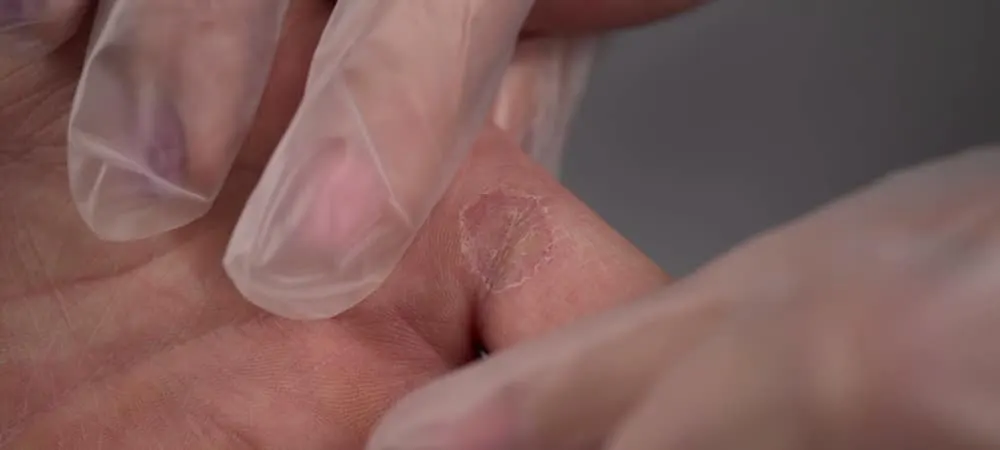
Symptoms of jock itch manifest in the affected skin area. These symptoms are in the form of a rash that starts from the groin folds and spreads towards the buttocks and thighs. Rashes can show various characteristics, which are commonly as follows:
Full or half-ring shaped rash,
Sharply defined and scaly edges,
Redness,
Rash that can be seen with small bumps,
Bumpy, scaly skin,
Itching,
A rash appearance that decreases in the center as it spreads,
The color of the rash-affected skin turning brown, red, gray, or purplish.
Symptoms of jock itch can become severe as the rash spreads. In general, as the infection extends outward, partial healing may be seen in the central part. A progressing fungal infection can cause watery blisters or pus-filled blisters. At the same time, skin thickening may occur due to itching in long-standing fungal infections. If the skin remains moist and softens, the area may become irritated. Along with irritation, there may be a possibility of pain, secondary infections, and inflammation developing. In men, jock itch does not affect the penis and testicles; it remains limited to the upper thigh area, but the fungal infection can progress to the anus and show certain signs. Itching in the anal region, discomfort, scaly and blistered patches, and abnormally light or dark skin color are among these signs.
What Causes Jock Itch?
Dermatophytes of the Trichophyton, Epidermophyton, and Microsporum genera are known as the causes of jock itch. The most common cause of jock itch globally is the Trichophyton rubrum species. In some geographical regions, fungus in the groin area is caused by the increasing prevalence of the Trichophyton mentagrophytes species. However, certain health problems, environmental conditions, and lifestyle habits can make a person a target for tinea infection. These risk factors commonly include:
Male gender,
Young and adult age group,
Excessive sweating,
Wearing tight and closed clothing,
Inadequate hygiene conditions,
Immunodeficiency,
Diabetes,
Presence or history of athlete's foot,
Genetic factors,
Hot climate conditions,
High humidity environments,
Excessive weight or obesity,
Shared use of personal items,
Low socioeconomic status.
Additionally, those involved in sports may be at risk for tinea infections. Fungal infection can be contagious, especially in sports that require close contact. The probability of contracting the disease can be reduced by eliminating risk factors. Ensuring hygiene conditions during the treatment and recovery process of the fungal infection is an important step in managing the disease.
How is Jock Itch Diagnosed?
Diagnosis of jock itch can be provided through physical examination, family history, medical conditions, and the presence of symptoms. Conditions such as Tinea infection in the family, diabetes, obesity, and excessive sweating are evaluated. Additionally, it must be determined whether the person has significant health problems such as immunodeficiency, liver dysfunction, kidney diseases, or diabetes. A physical examination is performed by determining the body regions where symptoms are seen, their duration, and severity. Similar rashes that have developed before, past treatments, and environmental conditions prior to symptoms are taken into account. The person's personal hygiene habits, clothing changes, contact with contaminated soil and animals, and occupational exposures can be helpful information during diagnosis.
Groin fungus can show similar findings to various dermatological diseases. For this reason, it can be confused with other skin diseases affecting the groin during the diagnosis stage, and a definitive diagnosis may not be easy. It has a similar appearance to skin problems such as psoriasis, seborrheic dermatitis, candidiasis, and erythrasma. Clinically, it is most often confused with infections called candidal intertrigo. Unlike jock itch, candidal intertrigo occurs more often in women and can involve the penis and scrotum areas in men. Again, unlike jock itch, the central area does not show healing as it spreads, and there is redness (erythema) caused by capillary bleeding. In some cases, a biopsy may be performed to assist in definitive diagnosis, and a small piece of skin can be examined in a laboratory environment.
How is Jock Itch Treated?
Jock itch treatment consists of antifungal drugs that target fungi. In general, topical treatments are preferred for groin fungus treatment. In topical treatments, azoles and allylamines such as clotrimazole, sulconazole, econazole, miconazole, terbinafine, and butenafine are the main components. These topical products can be in the form of gel, ointment, cream, pomade, powder, and spray. It is generally prescribed to be used 1-2 times a day for 2 to 4 weeks. Oral drug treatments may be necessary in the management of recurrent, chronic, or persistent jock itch.
Systemic drugs may be recommended in cases such as rashes spread over large areas, immune problems, or weakness. Topical drugs can be added to support systemic treatment. Antibiotic treatment is started in the presence of any bacterial infection in the body. Antibiotic drugs can be prescribed orally or topically. Although steroids are good for itching and acute inflammation, they are not recommended to be prescribed as they may reduce the effect of antifungal drugs. During the treatment and recovery process, slight staining may remain in the rash areas. While it may heal without leaving any marks in some people, staining may also disappear over time.
Frequently Asked Questions
Jock itch, or tinea infection, is frequently transmitted through skin contact and infected objects. Fungal infection can be transmitted through touching an infected person, kissing, using shared items, sharing personal care products, and sexual contact. Also, if the person has a condition called athlete's foot, the development of jock itch can begin through hands, nails, and clothing. Jock itch is common in adult men, those living in hot and humid regions, individuals with weakened immune systems, and those with health problems such as obesity and diabetes. Jock itch is a rare condition in children and infants. Jock itch is a skin disease that can cause annoying itching on the skin. Along with itching, burning, redness, scaling, spread in the form of a full or half-ring, and blisters at the edges of the rash can also be commonly seen. Jock itch usually does not go away on its own and can spread to other parts of the body if left untreated. Hands, nails, and feet that may be in contact with the infection can be targets for fungal colonization. Also, uncontrolled jock itch can progress to the buttocks and around the anus. This picture can bring along quite uncomfortable symptoms. Jock itch treatment usually consists of topical and oral drugs. Depending on other existing health problems, antibiotics, analgesics, and anti-inflammatory drugs may also be prescribed. The affected skin area should be kept dry, clean, and cool; excessive sweating should be prevented, and tight and closed clothing may need to be avoided. Antifungal jock itch cream is prescribed to be used every day. Creams, gels, pomades, or sprays applied topically once or twice a day can be used for several weeks. The duration of topical application may vary depending on the body's and the infection's response to treatment. In more severe cases, creams may not be sufficient, and oral drug treatment may be required. Tinea infection is a disease that can recur. Jock itch can recur due to reasons such as renewed close contact, infections originating from different body parts, fungi that can be transmitted from animals and soil, misdiagnosis and treatment, resistance to drugs, and non-compliance with the treatment process. The damages of jock itch can be prevented by improving hygiene conditions, but other existing fungal infections and risk factors must be eliminated. Approaches such as avoiding tight and wet clothing, reducing sweating and friction, drying the area thoroughly, not sharing personal care products like towels, not touching or scratching the infected area, and putting on socks first when getting dressed can reduce the risk of jock itch. Jock itch is a condition that can recur, cause uncomfortable symptoms, is contagious, and can become chronic. Therefore, it may not go away completely with home treatment, but treatment can be supported with home care practices. Washing the groin with antibacterial soap and drying it thoroughly, using powder for jock itch, choosing loose underwear and trousers, not using synthetic clothing, and using antifungal and analgesic creams can accelerate the treatment process. Consult dermatology specialists for jock itch. Dermatologists can subject you to some evaluations for a definitive diagnosis, and treatment options can be determined.
A correct diagnosis and an effective treatment plan are of great importance for the treatment of jock itch. If you have symptoms, you should consult a dermatology specialist without delay. Our Hisar Hospital Dermatology Department specialists are ready to assist you in the diagnosis and treatment of jock itch and other skin infections. You can contact the Hisar Hospital Dermatology Clinic to get more information or to make an appointment.
Start with the right assessment for What is Jock Itch? Symptoms, Causes, and Effective Treatment Methods
Share your symptoms with our specialist physicians; let us determine the right diagnosis and treatment plan together.
Warning
If your symptoms started suddenly, are progressing rapidly, or significantly restrict your daily life, consult a physician without delay.
Plan your What is Jock Itch? Symptoms, Causes, and Effective Treatment Methods journey with our specialists.
Fill in the form or book an appointment to learn about treatment options, the process and preparation.