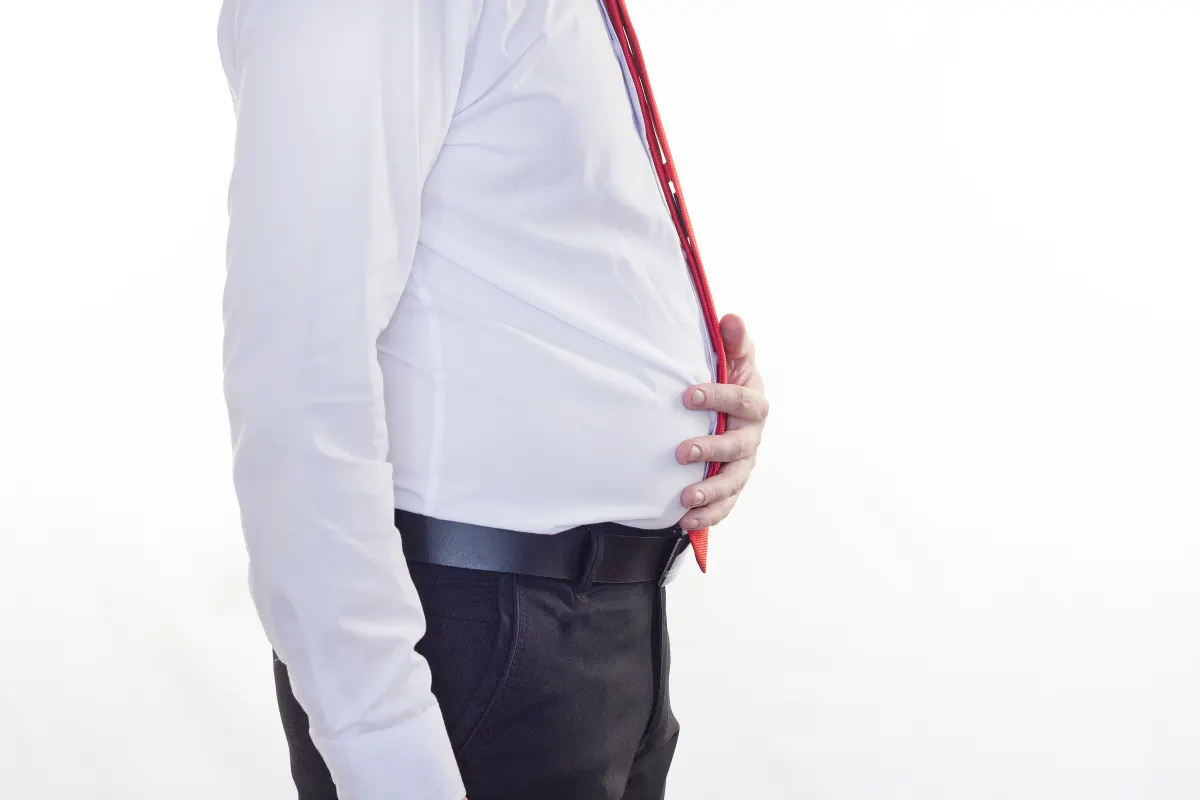
Even though you are watching what you eat, if indigestion and bloating after meals in particular persist, be careful! You may have gallstones in your gallbladder.
We learned about the causes and treatment of gallstone formation from the General Surgery specialists at Hisar Hospital Intercontinental…
Specialists who explained that stones forming in the gallbladder, the organ that stores and concentrates the bile produced by the liver and releases bile into the duodenum after meals for fat digestion, can cause complaints such as indigestion after meals, bloating, nausea, pain in the upper right quadrant of the abdomen, and belching, said: ‘If gallstones are also detected in the gallbladder of a person with these complaints, the source of the complaint is gallstones.
Sometimes the patient's complaints point more to a stomach problem. In this case, a gastroscopy is performed before surgery to also check the stomach. If the patient's complaints do not go away after surgery, a gastroscopy may still be needed. If gallstones are causing complaints, the treatment is surgical. Unlike kidney stones, there are no treatment methods such as breaking them up or passing them. If surgery is not performed, the indigestion complaint will continue. Worse still, if the stones are small enough to leave the gallbladder and fall into the bile ducts, they cause blockage of the main bile duct, and therefore severe pain and obstructive jaundice. Slightly larger stones block the exit of the gallbladder, causing the gallbladder to swell and become inflamed. This condition requires emergency surgery.
Today, the most suitable surgical method for gallstones is the closed, i.e. laparoscopic, method. However, in some patients, due to previous surgeries, or in cases where closed surgery cannot be performed technically, open surgery may be applied. The procedures inside the abdomen are the same in both methods. The gallbladder is removed after being separated from its connections. The difference lies in the procedure on the abdominal wall.
In open surgery, there is a relatively large incision in the abdomen. A longer stay in the hospital is needed after surgery. Recovery time is longer. Return to daily life takes longer, and there is a surgical scar.
In the closed method, surgery is performed through three small holes in the abdominal wall. Only one night is spent in the hospital. Return to daily life and work is early, and pain after surgery is less.
Currently, gallbladder surgery can also be performed through a single incision made below the navel, using a method called SILS. Because the gallbladder is removed, gallstones do not form again in the gallbladder. However, stones can rarely form in the bile ducts. The person will adapt to the absence of the gallbladder within 48 hours. Bile produced by the liver still flows into the duodenum, but without being stored.’ the specialists stated.
Start with the right assessment for Bloating and Indigestion May Be a Sign of Gallstones!
Share your symptoms with our specialist physicians; let us determine the right diagnosis and treatment plan together.
Warning
If your symptoms started suddenly, are progressing rapidly, or significantly restrict your daily life, consult a physician without delay.
Plan your Bloating and Indigestion May Be a Sign of Gallstones! journey with our specialists.
Fill in the form or book an appointment to learn about treatment options, the process and preparation.