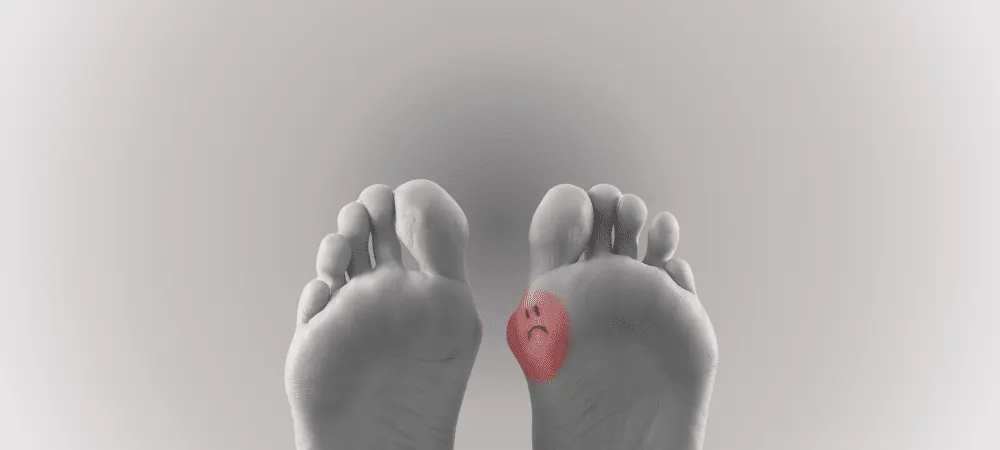
What Is Hallux Valgus?
Hallux valgus is the name given to a deformity in which the big toe is angled outward and the first metatarsal bone is angled inward, creating the appearance of a bony protrusion between the metatarsal and the first toe.
It is most commonly seen in women, although it can rarely occur in men as well. This deformity initially causes pain while wearing shoes, and in later stages it can cause pain even when walking barefoot.
What Causes Hallux Valgus?
Although hallux valgus is thought to be mostly hereditary (genetic), the condition can also be caused by environmental factors such as wearing pointed-toe shoes, flat feet, and abnormal weight-bearing patterns.
Pressure on the foot due to incorrect walking, or the anatomical structure of the foot, may over time cause the big toe to lean toward the second toe. On the other hand, standing for long periods and wearing improper or tight shoes can make the symptoms more pronounced.
What Are the Symptoms of Hallux Valgus?
The commonly seen symptoms of hallux valgus are as follows:
Difficulty bending the big toe
Pain and a burning sensation when bending the big toe
Difficulty wearing shoes
Crooked toe
Numbness in the big toe
Who Is at Risk of Hallux Valgus?
The risk factors that trigger the development of hallux valgus are:
Genetic factors
Rheumatic disease
Flat feet
High-arched foot, the opposite of flat feet
Weight problems
Use of pointed-toe and high-heeled shoes
Individuals with the above symptoms are advised to consult an Orthopedics and Traumatology specialist as soon as possible.
How Is It Diagnosed?
For a person who consults a physician with the complaints described above, a physical examination is performed first. The foot is examined in detail both while bearing weight and while not bearing weight. A definitive diagnosis can be made by taking X-rays of the front and back of the foot.
What Is the Treatment for Hallux Valgus?
Treatment of hallux valgus is determined by the degree of outward deviation of the big toe (hallux valgus angle) and the degree of inward displacement of the first metatarsal (intermetatarsal angle).
Generally, shoe modification is the first treatment option. The shoe recommended by the physician should have a wide toe box and be made of soft leather. The aim here is to reduce friction, prevent inflammation of the foot, and prevent deformity.
On the other hand, although supportive orthoses and insoles are used in treatment, these devices cannot do more than slow the progression of the deformity and reduce pain. If hallux valgus is treated with non-surgical methods, it tends to cause deformity in the other small toes as well.
These include:
Morton’s neuroma (a nerve cyst between the 1st and 2nd toes),
hammer toe deformity,
Bunionette (a painful bony prominence also at the base of the 5th toe) formation, which can also be listed among such conditions.
Surgery is considered the only option for a permanent and correct treatment.
Hallux Valgus Surgery
Several surgical methods can be used in the treatment of hallux valgus. The orthopedic surgeon determines the most suitable surgical procedure according to the patient’s age, the anatomy of the foot, and the stage of the disease. The aim of the surgery is to restore the foot to its former shape by intervening at the area of deformity. During surgery, the bunion is removed, the big toe and first metatarsal bones are properly aligned, and the tissues affecting the bones are balanced.
As with any surgery, some side effects may occur with this operation. Infection at the incision site and difficulty in healing of the cut bone are complications that may arise after surgery.
Questions You Can Ask Your Doctor When You Are Diagnosed with Hallux Valgus
Why Might Hallux Valgus Have Developed?
Which treatment method is most suitable for me?
What can I do to reduce the risk of hallux valgus developing in my other foot?
What can I do to prevent other foot problems such as corns and ingrown nails?
What complications could occur if I do not have hallux valgus treated?
Frequently Asked Questions
Is there a risk of hallux valgus recurring after surgery?
After hallux valgus surgery, the patient should pay attention to their lifestyle habits and avoid factors that trigger the condition, such as wearing unsuitable shoes. The recurrence rate of the condition is low. However, there is a risk of recurrence with inadequate surgical interventions performed without identifying the cause that led to the condition. For this reason, accurate diagnosis and proper treatment are very important.
Will I feel pain during hallux valgus surgery?
Incisions are made in the bones during surgery. For this reason, the operation is performed under anesthesia. In addition, a foot block is also used to support the patient and prevent pain. Therefore, no pain is felt during surgery.
When can I go home after hallux valgus surgery?
After the operation, it may be necessary to stay in the hospital for an average of 1–2 nights. This period may vary depending on the patient’s pain condition.
How long does it take for my foot to heal after hallux valgus surgery?
Healing time varies depending on the patient’s condition, but it averages 6 weeks. During this period, the special shoe provided for hallux valgus must be worn.
How long should I avoid putting weight on my foot after surgery?
The bones are operated on during surgery. For this reason, the foot should not be placed on the ground or loaded as before until the bones have fully healed. Although it is possible to do some daily tasks by bearing weight on the heel, the foot should not be left hanging down for long periods in order to prevent swelling.
Can I wear shoes after surgery?
Normal everyday shoes can be worn only after the bones have fully healed. Nevertheless, it is still advised not to wear shoes that are unsuited to the anatomy of the foot, such as high-heeled and pointed-toe shoes, for long periods.
Can I do sports after hallux valgus surgery?
To be able to do sports, the bones must be expected to heal completely. Then, movement may return to the big toes within 2–3 months. There is no problem with doing sports once the big toes have regained mobility.
Start with the right assessment for Hallux Valgus Symptoms and Treatment
Share your symptoms with our specialist physicians; let us determine the right diagnosis and treatment plan together.
Warning
If your symptoms started suddenly, are progressing rapidly, or significantly restrict your daily life, consult a physician without delay.
Plan your Hallux Valgus Symptoms and Treatment journey with our specialists.
Fill in the form or book an appointment to learn about treatment options, the process and preparation.