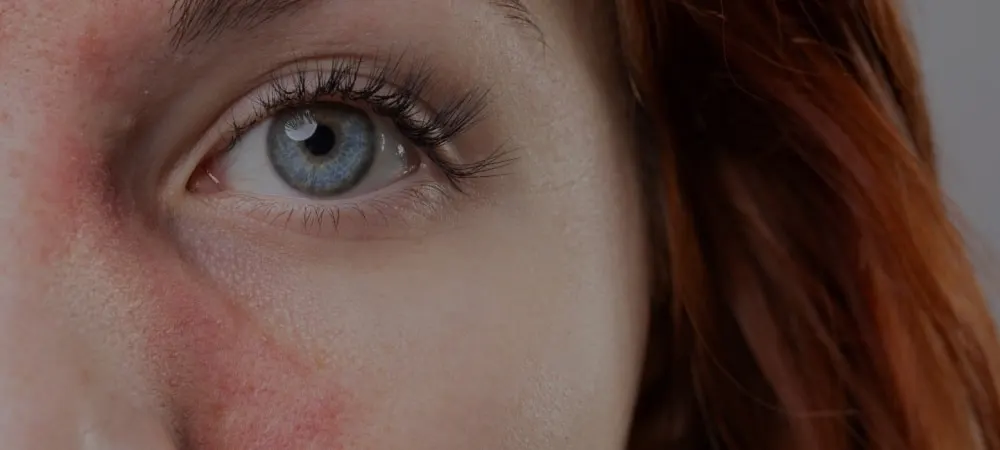
Rosacea is a chronic skin condition characterized by redness and inflammatory rashes on the face, particularly on the nose, cheeks, forehead, and chin. It mostly affects adults. Symptoms include skin sensitivity along with acne-like red spots and small red blood vessels (telangiectasia). Risk factors such as genetic factors, environmental elements, and immune system responses may play a role in the development of the disease. Treatment includes topically or orally administered medications under physician supervision, skin care routines, and strategies to avoid triggers.
What Are the Symptoms of Rosacea?
The appearance of rosacea can vary greatly from person to person. Most of the time, not all potential symptoms appear. It mostly includes at least one of the primary symptoms. Rosacea symptoms may include:
Facial redness and burning: The most prominent feature of the disease is persistent redness on the face, especially in the nose, cheeks, forehead, and chin areas. The redness is often accompanied by an intense burning sensation and can vary at different times of the day or depending on triggers. The redness often becomes permanent and may become more pronounced over time. Redness flare-ups can be triggered by hot beverages, spicy foods, or stress.
Acne-like rashes: Rosacea can cause red, inflamed spots and papules that resemble acne. These rashes usually appear as small, red bumps and become prominent on the surface of the skin. The rashes may exhibit an inflammatory and rough appearance, sometimes containing inflammation or pus. Acne-like rashes are mostly concentrated on the nose and cheeks.
Small red blood vessels (Telangiectasia): It can cause small, thin red blood vessels to appear in the facial area. These vessels usually become prominent around the nose, cheeks, and chin and appear superficially. This symptom occurs as a result of the dilation of small blood vessels under the skin and usually provides a permanent appearance. These vessels can be red and purplish in color.
Skin sensitivity and dryness: The skin in patients can often be sensitive and dry, sometimes accompanied by flaking or itching. The skin's natural barrier can weaken, making it more sensitive to environmental factors. Skin sensitivity can be triggered particularly by cold weather, sunlight, and certain cosmetic products.
Eye problems: In some cases, inflammation, redness, and watering can be seen in the eyes. The eyes often itch, burn, or feel dry, which can affect visual comfort. Inflammation or swelling can occur on the eyelids and the surface of the eye. If left untreated, severe cases can cause corneal damage and vision loss.
Swollen pimples: Many people with rosacea develop acne-like pimples on their faces. These swellings sometimes contain pus. They can also appear on the chest and back.
Skin thickening: Another symptom of rosacea is skin thickening. This condition mostly occurs on the nose and causes a bulbous appearance on the nose.
What Causes Rosacea?
Today, the exact cause of rosacea is unknown. However, certain factors can be effective in the appearance of the condition. Flare-ups can occur due to the following reasons:
Genetic factors: The risk may be higher in individuals with a family history of rosacea. Genetic factors can cause the skin to overreact and tend towards inflammation. This predisposition may include specific variations in the immune system and skin structure.
Immune system responses: Immune system responses play an important role in the development of the disease. Overactivation of immune system cells in the skin can lead to inflammation and dilation of blood vessels in the skin. These abnormal responses of the immune system can cause the symptoms of the disease to appear.
Environmental and lifestyle factors: Rosacea can be triggered by certain environmental elements and lifestyle factors. Environmental factors such as hot beverages, spicy foods, alcohol consumption, and hot weather can worsen rosacea symptoms. Stress, excessive sun exposure, and certain cosmetic products can trigger inflammation in the skin.
Blood vessels in the skin: Dilation and visibility of small blood vessels on the face are frequently seen in rosacea. These vessels can dilate under the skin under the influence of genetic and environmental factors and become prominent by forming red spots. Dilated vessels can cause the skin to appear more sensitive and inflamed.
Microorganisms and parasites: Small skin parasites called Demodex may be associated with rosacea. These parasites are naturally found on the skin, but in some individuals, they can overgrow and trigger inflammatory responses.
How is Rosacea Diagnosed?
Diagnosis of the disease begins with taking the patient's medical history and examining current symptoms. The physician evaluates in detail symptoms such as redness occurring in the facial area, acne-like rashes, and skin sensitivity. Gathering information about when symptoms started, which triggers are effective, and the severity of the symptoms forms the basis of the diagnostic process.
Laboratory tests and skin samples: Although rosacea is usually diagnosed through clinical observation, laboratory tests can be performed to rule out other skin diseases. Blood tests can be used to evaluate signs of inflammation and infection. In addition, a skin biopsy is rarely performed; this procedure allows the skin sample to be examined under a microscope and the detection of other possible dermatological conditions. These tests provide additional information to confirm the diagnosis.
Eye examination: If rosacea symptoms also appear in the eyes, the physician can perform an eye examination. Symptoms such as redness, burning, itching, or watering in the eyes are examined by an ophthalmologist. An eye examination can help determine the necessary interventions during the treatment process.
How is Rosacea Treated?
Rosacea treatment varies for each individual, and physicians focus on alleviating or reducing symptoms. Some of the rosacea treatment options are:
Topical treatments: Topical medications prescribed by the physician are generally used in the treatment of the disease. Topical antibiotics and anti-inflammatory creams can be effective in reducing redness and inflammation in the skin.
Oral medications: In severe cases or when topical treatments do not yield a response, oral medications prescribed by the physician may be preferred. Oral antibiotics can be used to control inflammation and acne-like rashes in the skin. However, long-term use of these medications can cause side effects, so it requires careful monitoring under physician supervision.
Laser and light treatments: Laser and light treatments can be effective in reducing the prominent blood vessels and redness of rosacea. Pulsed dye laser (PDL) and intense pulsed light (IPL) treatments can target small blood vessels under the skin and reduce the appearance of red spots. These treatments can help improve the overall appearance of the skin and reduce small red blood vessels.
Lifestyle: Lifestyle changes are important in the management of rosacea. It is important for patients to avoid factors that trigger the disease, such as excessively hot or cold weather, spicy foods, and alcohol. These precautions can provide additional support during the treatment process.
Frequently Asked Questions
There are important factors that individuals with rosacea should pay attention to. Some of these factors are:
Choosing gentle products in skin care
Avoiding skin-irritating substances
Staying away from triggering factors such as sunlight, hot beverages, spicy foods, and alcohol
Regular skin care under physician supervision
Stress management.
The goal of treatment is to control symptoms and improve the person's quality of life. Methods such as topical creams, oral medications, and laser therapy aimed at reducing redness and inflammation are used under physician supervision. In addition, using gentle products in skin care and avoiding trigger factors can increase the effectiveness of the treatment process. For facial rosacea to heal, trigger factors must first be avoided, and gentle products recommended by a specialist physician must be used in skin care. Topical medications and laser treatments can be effective in reducing redness and inflammation. Rosacea mostly does not involve a dangerous health condition, but if left untreated, it can cause permanent scars on the skin. In addition, if the symptoms of the condition occur in the person's eye area, it can lead to severe vision problems. People with rosacea may need to avoid spicy foods, alcohol, and hot beverages because these foods can trigger symptoms. In addition, staying away from high sugar and processed foods can help reduce inflammation. Personally identifying triggering foods under physician supervision is an important step in symptom management and needs to be planned specifically for each patient. Rosacea is generally not a condition that resolves on its own and requires treatment aimed at controlling symptoms. If left untreated, symptoms can worsen over time and permanent changes can occur in the skin. Therefore, it is important to manage the disease with appropriate treatment and lifestyle changes. Rosacea is not a cancer condition. It is an inflammatory condition of the skin. It mostly causes symptoms such as redness on the skin, acne-like rashes, and dilation of small blood vessels.
As Hisar Hospital Dermatology Department, we serve with our expert team in the diagnosis and treatment of rosacea. If you are experiencing symptoms such as facial redness, inflammatory rashes, or skin sensitivity, you can immediately make an appointment with our dermatology specialists for early diagnosis and effective treatment.
Start with the right assessment for What is Rosacea? Symptoms, Causes and Treatment
Share your symptoms with our specialist physicians; let us determine the right diagnosis and treatment plan together.
Warning
If your symptoms started suddenly, are progressing rapidly, or significantly restrict your daily life, consult a physician without delay.
Plan your What is Rosacea? Symptoms, Causes and Treatment journey with our specialists.
Fill in the form or book an appointment to learn about treatment options, the process and preparation.