Did you know that with small precautions you can take during adolescence, you can step into adulthood with glowing skin in the future?
We have learned from Hisar Hospital Intercontinental Dermatology Specialist Dr. Funda Ataman the answers to all the questions you may have, from what you can do to care for your skin during this period to your eating habits…
What is adolescent acne?
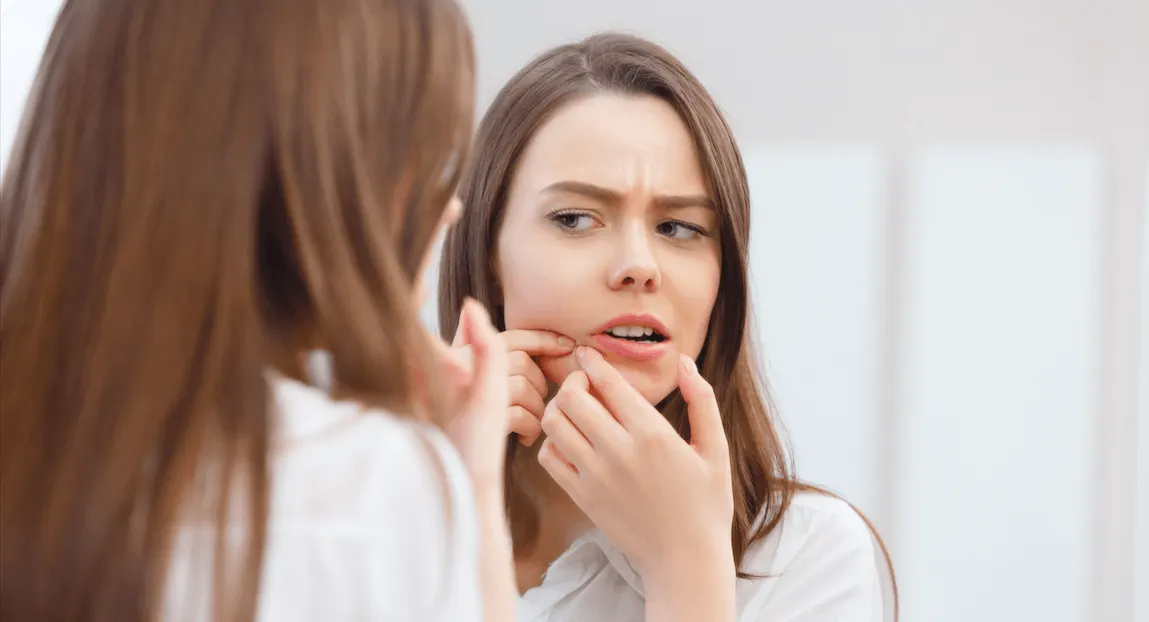
Adolescent acne is the inflammation of the oil glands following increased sebum production by the skin. The bacteria that cause this inflammation are present on everyone's skin. However, excess oil production and changes in the composition of the oil cause these bacteria to multiply.
At what age does it most commonly occur?
Most commonly occurring between the ages of 14 and 16, acne is more common in male children. One in ten adolescents develops severe acne. In girls, adolescent acne appears at younger ages. This is related to girls entering puberty earlier. Late-onset acne appearing after the age of 25 is more common in women.
Does genetic factor have an effect on acne formation?
Genetic factors play a role in acne. Those whose mother, father, older sister or older brother have had acne have a higher risk of developing acne. Acne is less common among Eskimos, Japanese and people of the Black race compared to people of the White race. However, mainly, when Eskimos and Japanese, who eat a diet based on fish, switched to a Western-style diet, the rate of acne increased.
How does acne formation begin?
On oily skin, first black and white oily bumps called comedones appear. When squeezed, they extend in a worm-like shape. The first signs begin on the forehead, then spread to the cheeks, nose, chin, neck and, rarely, the trunk and even the buttock area.
What are the negative effects of acne?
It can cause feelings of embarrassment in the person. It can lead to difficulties in school, work and personal relationships.
Uncomfortable conditions such as itching, burning, pain and bleeding may occur.
Permanent discoloration and scarring are the most undesirable outcomes.
Does diet affect acne formation?
Although the effect of diet on acne has not been fully determined, it has been observed that reducing calorie intake and losing excess weight increases success in acne treatment. For young people, it is more advisable to consume a balanced diet of protein, fat, carbohydrates and vitamins, eat enough fruits and vegetables, and increase fish consumption, as these also positively affect their general growth and development.
During which periods does acne formation increase, and what triggers acne?
In women, a flare-up before menstruation is expected. Sweating, humid climates, and working in hot environments where food is cooked increase acne. In young people working at fast-food restaurants, for example those who constantly fry potatoes, pimples worsen. Controlled sun and sea bathing generally has a positive effect on acne. There are studies showing that smoking increases the severity of acne. Applying oily cosmetics to the skin causes a type of acne called pomade acne.
How is it treated?
Adolescent acne lasts 4–6 years. Sometimes it can continue into the 40s. Individuals starting treatment should be informed that it will last a long time. In mild acne, using a product that removes excess oil from the skin and prevents bacterial growth is usually sufficient. However, using antibacterial soaps containing hexachlorophene causes a special type of acne called detergent acne. In the second stage, creams, gels and lotions that reduce oil secretion on the skin are used. If there is no improvement, topical antibiotics, oral antibiotics and birth control pills can be tried. In the most resistant and severe form of acne, capsules derived from vitamin A are used. In addition, people undergoing acne treatment should take vitamins under the supervision of their physician, consume enough vegetables and fruits, and eat more fish. With almost every acne treatment method, dryness, redness and itching of the skin, and an increase in pimples in the first days of treatment, are expected. Patients should be informed that this is not a side effect or an allergy. Again, even after the most effective and long treatments, pimples may recur. After acne has resolved, procedures such as chemical peeling, laser, dermaroller and dermabrasion can be applied for the scars that remain. The aim of long and difficult acne treatment is to protect young people from scars and stains that would cause distress for a lifetime.
Start with the right assessment for Acne: The Most Important Skin Problem of Adolescence
Share your symptoms with our specialist physicians; let us determine the right diagnosis and treatment plan together.
Warning
If your symptoms started suddenly, are progressing rapidly, or significantly restrict your daily life, consult a physician without delay.
Plan your Acne: The Most Important Skin Problem of Adolescence journey with our specialists.
Fill in the form or book an appointment to learn about treatment options, the process and preparation.