Eczema (Atopic Dermatitis): What Is It? What Are the Symptoms and Causes? How Is It Treated?
Eczema is a condition that makes the skin dry, itchy and rough. This condition weakens the barrier function, which is responsible for helping the skin retain moisture and protecting the body from external factors. Symptoms usually appear in childhood and last into adulthood. A family history of eczema also increases the likelihood of developing it in children. Eczema symptoms may vary from person to person depending on the type. Most types of eczema tend to cause dry skin, itchy lesions and rashes. People who suspect they have a skin condition such as eczema should definitely be examined by a dermatologist for an accurate diagnosis. Eczema can generally be diagnosed according to the appearance of skin lesions and where they are located on the body. In some cases, various tests may also be needed for diagnosis. In some people, eczema may resolve on its own over time. People who had eczema, especially as children, may find they no longer experience it in adulthood. However, in people in whom it does not improve, eczema is a lifelong condition requiring management of symptoms. Although there is no definitive cure, many options are available to help manage and reduce symptoms.
What Is Eczema (Atopic Dermatitis)?
Eczema (atopic dermatitis) is a skin disease that causes the skin barrier to dry out and become itchy. It may occur due to overactivity of the immune system. Although the exact cause of eczema is not known, people may develop eczema due to the interaction between genetic and environmental factors. Many people with eczema may experience accompanying symptoms such as hay fever, allergic asthma and food allergies. Appropriate and consistent skin care is very important in the prevention and management of eczema.
Where on the Body Does Eczema (Atopic Dermatitis) Occur?
Eczema can occur at any point on the skin surface. However, the most common areas are areas such as the scalp, hands and face. Although atopic dermatitis may affect any part of the body, it most commonly appears on the hands, inner elbows, back of the knees, and face and scalp. Especially in the elbow and knee creases, it appears as red rash and red patches on the skin. The location of eczema may also change as age advances. Symptoms, including blisters, may be painful and skin color may change.
Eczema of the Skin
Eczema of the skin is a hereditary, chronic, inflammatory skin problem that generally appears in early childhood. Skin patches resulting from eczema become red, scaly and itchy. Sometimes small blisters containing clear fluid may form, and these fluids may leak out from affected areas of the skin after the blisters rupture. However, this fluid leakage is generally a sign that the skin is infected with Staphylococcus aureus bacteria. The severity of eczema developing on the skin may vary, and symptoms may worsen or lessen from day to day.
Eczema of the Scalp
Irritation of the scalp may indicate that eczema is present on the scalp. Eczema, also called atopic dermatitis, can cause itching, inflammation or a rash-like appearance of the scalp, not only on the skin surface. There are different types of dermatitis that can appear on the scalp. These may be called seborrheic, atopic and contact eczema.
What Are the Symptoms of Eczema (Atopic Dermatitis)?
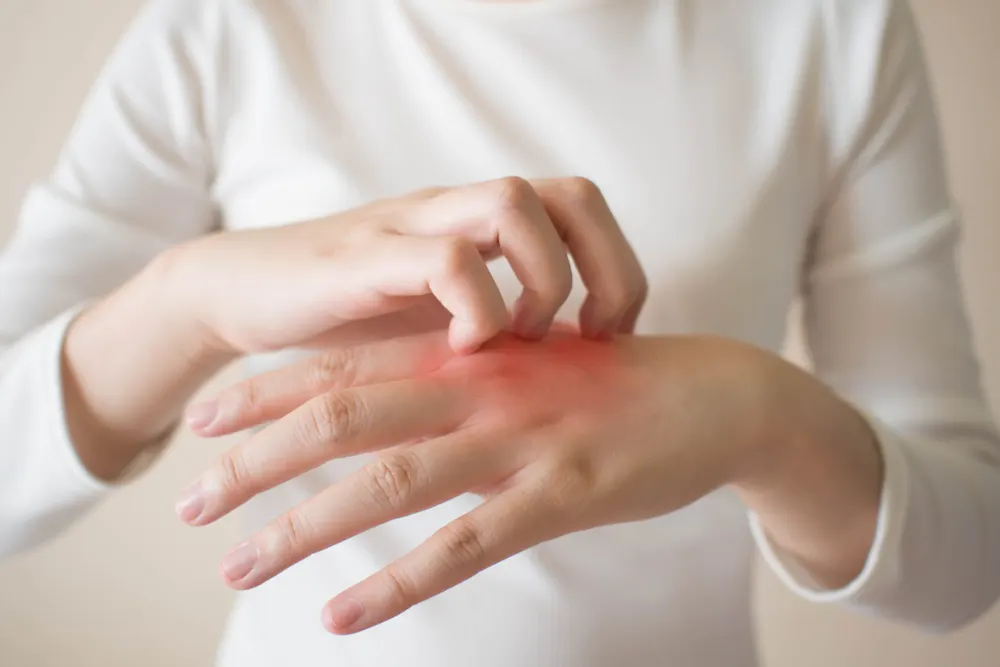
Atopic dermatitis may cause itching, drying, cracking and pain of the skin in the person in whom it develops. Itching caused by eczema can be severe. If the skin is scratched, it may lead to infection. There are also periods called flares, in which eczema worsens. The symptoms of eczema are:
Itching
Red or brownish patches
Small, raised, fluid-filled blisters that leak fluid when scratched
Scaly skin wound with the appearance of infection
Redness of the skin
What Causes Eczema (Atopic Dermatitis)?
The exact cause of eczema is unknown. However, it is thought that there is more than one factor that can cause this condition. It is seen especially in people with atopic dermatitis allergy. At the same time, a food diary may be kept to determine whether a particular food worsens symptoms. In severe cases, allergy testing may sometimes be performed to determine whether a food allergy triggers symptoms. Skin folds, especially the bending areas behind the knees, elbows and lower legs, and other skin areas that rub against each other, may cause irritation. Besides a family history of eczema, many common household items are also potentially environmental irritants and can cause allergic reactions leading to an eczema flare.
How Is Eczema (Atopic Dermatitis) Diagnosed?
When eczema is suspected, it is essential to see a doctor for an accurate diagnosis. Eczema can generally be diagnosed according to the appearance of skin lesions and where they are located on the body. Most often, the healthcare professional needs to confirm the diagnosis of eczema by evaluating the types of eczema and other skin diseases such as psoriasis, fungal infections or scabies. In some cases, the doctor may ask for allergy tests to be performed to confirm the diagnosis of eczema. Patch testing is an allergy test applied especially for atopic and contact eczema. The doctor applies a patch containing allergens to the skin for 48 hours to see whether the person reacts to the test. The allergist may also perform a prick test, which involves pricking the skin surface with a diluted allergen.
Who Is It More Common In?
Eczema sometimes begins in childhood, resolves after a while, and may reappear later. At the same time, eczema may appear suddenly for the first time in adulthood. Some types of eczema are more common in adults.
Atopic Dermatitis in Adults
The eczema symptoms that occur in adults show some similarities to eczema seen in children. If adult eczema is not treated, it can cause intense itching, skin infections and reduced quality of life. Adult eczema also tends to show more symptoms in different areas of the body.
Atopic Dermatitis in Children
Children with eczema have red, dry, itchy patches on their skin resulting from inflammation. With frequent scratching, blisters, oozing, crusting or wounds caused by infection may also develop on the skin. Sometimes, if a child with eczema scratches for weeks or months, the skin may become very rough and start to darken in color. In some children with severe eczema, the whole body may be affected. Children with atopic dermatitis may have allergies to foods, animals, dust mites, tree pollens and grasses, but it is not certain that these allergies are the cause of eczema.
How Is It Treated?
A dermatologist and allergist can help determine the right treatment for eczema. The right treatment varies depending on the type and severity of eczema. At the same time, the doctor may find it beneficial to combine more than one treatment. Although eczema is a chronic condition, it is a manageable problem. Managing stress with some lifestyle changes, establishing a skin care routine and following the treatment plan recommended by the doctor can help prevent eczema flares.
Medications: Antihistamine medications prescribed by a doctor can relieve itching caused by eczema. At the same time, steroid creams and ointments can relieve itching and flaking. High-potency steroids may be prescribed by a doctor to relieve moderate or severe eczema. A doctor may prescribe oral corticosteroids when topical hydrocortisone is not helpful.
Therapies: Phototherapy is a procedure that helps prevent the immune system responses that trigger eczema. For this, ultraviolet light or sun lamps are used. This therapy may help reduce or clear eczema.
Lifestyle Changes: Stress in particular can trigger or further worsen eczema symptoms. Activities such as deep breathing exercises, yoga, meditation, listening to relaxing music, prioritizing a good night's sleep, and applying cold compresses can help relieve itching. Avoiding foods thought to aggravate eczema also helps alleviate symptoms.
Frequently Asked Questions
Although what triggers eczema is not fully known, the following recommendations may help with skin problems:
Avoiding irritants such as chemicals, soaps, detergents, various fragrances, certain fabrics and smoke
Wearing comfortable clothing
Washing all new clothes before wearing them
Using fragrance-free skin care products
Eczema cannot spread from one person to another. However, eczema may make the skin more susceptible to infections. The link between eczema and diet is unclear. If there is a food allergy, avoiding that food may help prevent eczema symptoms. In people without a food allergy, there are no proven foods that cause or worsen eczema. However, some foods may cause increases in symptoms, which vary from person to person. Vitamins that have a positive effect on skin health may also benefit eczema. In particular, vitamin A helps achieve healthier, more elastic and radiant skin and may reduce the severity of atopic dermatitis. Vitamin C also helps prevent skin water loss and therefore maintains the moisture and pH balance of the skin. If these vitamins are deficient, the doctor may give vitamin supplements.
Eczema is a skin problem that must be diagnosed by a doctor. Different skin conditions can also be confused with eczema. Therefore, by making an appointment with a doctor who is an expert in the field, you can learn about the relationship of your symptoms to eczema.
Start with the right assessment for Eczema (Atopic Dermatitis): What Is It? What Are the Symptoms and Causes? How Is It Treated?
Share your symptoms with our specialist physicians; let us determine the right diagnosis and treatment plan together.
Warning
If your symptoms started suddenly, are progressing rapidly, or significantly restrict your daily life, consult a physician without delay.
Plan your Eczema (Atopic Dermatitis): What Is It? What Are the Symptoms and Causes? How Is It Treated? journey with our specialists.
Fill in the form or book an appointment to learn about treatment options, the process and preparation.