We learned from Hisar Hospital Intercontinental Dermatology Specialist Dr. Funda Ataman about what is not widely known regarding Molluscum Contagiosum, the most common skin disease worldwide…
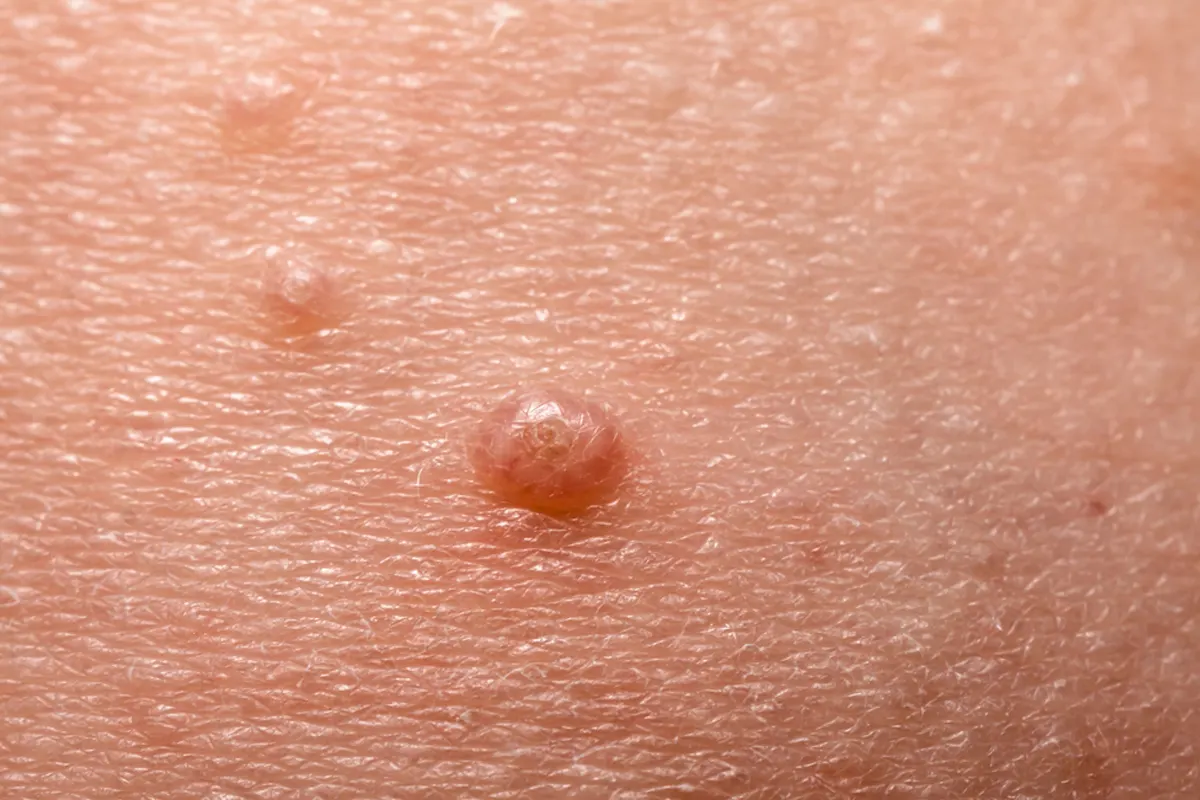
Specialist Dr. Ataman, who stated that Molluscum Contagiosum is a contagious viral disease seen only in humans, said: ‘It is transmitted through direct person-to-person contact or through objects contaminated with the virus. It is thought to spread more easily through damaged skin. Due to the protective effect of antibodies passed from mother to child and the long incubation period, it is rarely seen in children under 1 year of age. Hot climate, lack of personal hygiene, and close contact facilitate transmission. It is mostly seen in children under 10 years of age and in males. In adults, it is a sexually transmitted disease; in children, it can sometimes be a warning sign of sexual abuse. In adults, molluscum is seen more frequently in the genital area due to sexual transmission. In children, involvement of the trunk, face, arms and legs is prominent. Involvement of the inside of the mouth, soles and palms is rare. In children with atopic dermatitis, impaired immunity and the use of medications such as cortisone increase the frequency of molluscum. Molluscum is seen more frequently and more severely in AIDS patients and in those using immunosuppressive drugs. The incubation period varies between 14 days and 6 months. It appears as shiny, pink, round small bumps of 1–10 mm in diameter, with a navel-like central depression. Rarely, they may be larger. Even if untreated, they resolve spontaneously within 6 months to 4 years, but larger ones may leave scars. Over the last 10 years, the spread of molluscum cases has been linked to the increase in swimming pools. Patients should avoid shared-use areas such as swimming pools, hammams and saunas until they have recovered. Likewise, sports such as wrestling and shared items such as towels may also cause transmission.’
The Disease Can Heal on Its Own; However…
The patient should be informed that the condition may resolve on its own, but that this may take several years, that during this period they may transmit it to others, that they may experience psychological distress due to the disease, and that they may not be able to do the sport they wish.Treatment is determined according to the patient’s age, the severity of the disease and its form. Cryotherapy, i.e., freezing treatment, is effective. It needs to be repeated at 3–4 week intervals. In dark-skinned individuals, it may cause white spots. Curettage is an effective method. Squeezing the molluscum contents with tweezers or forceps is an easy method; however, spread of infected material under the skin may cause an abscess. Electrocauterization, i.e., cauterization treatment, is also a method that must be applied without causing scarring. Laser is another treatment option. All these methods are difficult to apply in children. Treatment is performed under topical anesthesia, local anesthesia, and sometimes general anesthesia. Local irritant and destructive drugs and antiviral drugs are treatment options.
Start with the right assessment for Molluscum Contagiosum: The Most Common Skin Disease in the World, Yet Little Known by Name
Share your symptoms with our specialist physicians; let us determine the right diagnosis and treatment plan together.
Warning
If your symptoms started suddenly, are progressing rapidly, or significantly restrict your daily life, consult a physician without delay.
Plan your Molluscum Contagiosum: The Most Common Skin Disease in the World, Yet Little Known by Name journey with our specialists.
Fill in the form or book an appointment to learn about treatment options, the process and preparation.