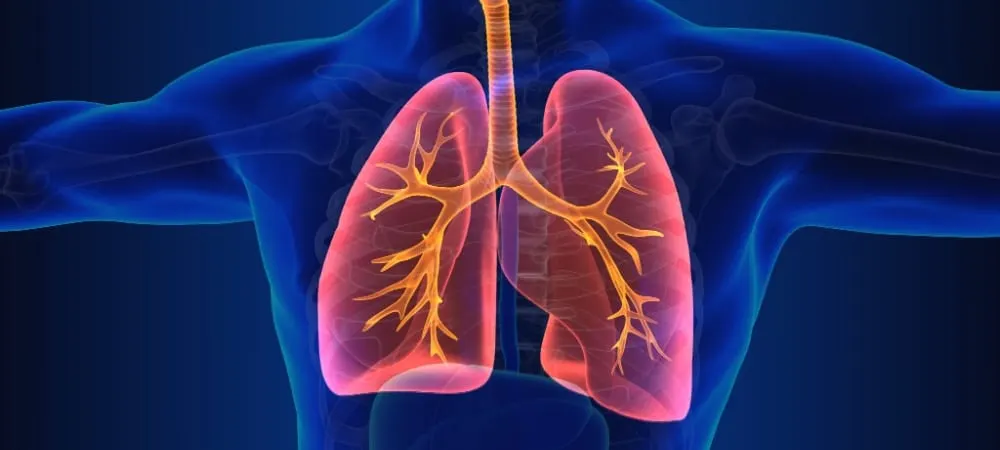
The dome-shaped diaphragm muscle located beneath the lungs plays a critical role in respiration. By separating the thoracic cavity from the abdominal cavity, it ensures effective breathing. Although diaphragm diseases are relatively rare, they can significantly affect quality of life and lead to various respiratory and systemic complications. Understanding the symptoms, causes, and treatment methods of these diseases is important for early intervention and effective management.
What Are Diaphragm Diseases?
Diaphragm diseases refer to a group of disorders that affect the structure or function of the diaphragm. These conditions can be congenital or acquired, and they can prevent the diaphragm from effectively assisting with breathing. Some common diaphragm diseases include:
Diaphragmatic Hernia: A condition where abdominal organs are pushed into the thoracic cavity through a defect in the diaphragm. A diaphragmatic hernia can be congenital or acquired due to trauma.
Diaphragm Paralysis or Weakness: Usually caused by nerve damage, preventing the diaphragm from moving correctly during breathing.
Diaphragmatic Eventration: A rare condition characterized by the abnormal elevation of the diaphragm while remaining intact, leading to impaired respiratory function. This elevation can be partial or complete, affecting breathing efficiency and potentially causing the displacement of abdominal organs.
Diaphragmatic Tumors: Although rare, tumors can develop in the diaphragm. These tumors can affect the structure and function of the diaphragm.
What Are the Symptoms of Diaphragm Diseases?
The symptoms of diaphragm diseases vary significantly depending on the specific condition and its severity. Most patients primarily experience breathing-related symptoms. Shortness of breath or dyspnea is particularly noticeable during physical activity or when lying flat. Many individuals become unable to perform previously routine activities due to decreased exercise tolerance and increased fatigue.
Sleep disorders are common because breathing difficulties often worsen when lying down. This can lead to poor sleep quality and morning headaches due to insufficient nocturnal respiration. Some patients develop a chronic cough or recurrent respiratory tract infections due to impaired lung function. Digestive symptoms frequently accompany diaphragmatic disorders, especially in cases of herniation. These may include acid reflux, difficulty swallowing, and abdominal discomfort. Some patients report chest pain or a feeling of pressure in the chest, particularly after meals or during physical activity.
In infants with congenital diaphragmatic disorders, symptoms can be more severe and apparent from birth. These may include rapid breathing, bluish discoloration of the skin (cyanosis), and feeding difficulties. The chest wall may show asymmetric movement during breathing, and the infant may struggle to gain weight appropriately.
How Do Diaphragm Diseases Develop?
Diaphragm diseases can occur through various mechanisms. These mechanisms can be listed as follows:
Congenital Defects: Congenital defects occur during fetal development, typically between the eighth and tenth weeks of gestation. These abnormalities can result from genetic factors, environmental exposures, or a combination of both. The incomplete formation of the diaphragm during this critical period can lead to various structural flaws.
Trauma: Trauma is another major cause of diaphragm diseases. Both blunt and penetrating injuries to the chest or abdomen can damage the diaphragm. These injuries may be immediately noticeable or complications may develop over time. Car accidents, falls from heights, and other high-impact events are common causes of traumatic diaphragmatic injuries.
Neurological Conditions: Neurological conditions affecting the phrenic nerve, which controls diaphragm movement, can lead to paralysis or weakness. This can result from viral infections, spinal cord injuries, or nerve compression due to tumors or inflammation.
Systemic Diseases: Certain systemic diseases, particularly autoimmune conditions, can affect the diaphragm due to broader impacts affecting muscle tissue.
Advanced Age: Age-related changes and chronic mechanical stress can also contribute to diaphragm diseases. Over time, the muscle and its supporting structures can weaken, potentially leading to herniation or reduced function.
Other Diseases: Obesity and chronic cough can increase pressure on the diaphragm, worsening existing conditions or contributing to new problems.
How Are Diaphragm Diseases Diagnosed?
The diagnosis of diaphragm diseases requires a comprehensive approach combining clinical evaluation with various diagnostic techniques. The process begins with a detailed medical history and physical examination. Physicians pay particular attention to breathing patterns, chest wall movement, and associated symptoms that may indicate diaphragmatic dysfunction.
Imaging plays a crucial role in diagnosis. Chest X-rays provide an initial view of the diaphragm's position and can reveal obvious abnormalities such as herniation or elevation. Computed tomography (CT) scans offer more detailed images, showing the relationship between the diaphragm and surrounding structures. This is particularly helpful in surgical planning and evaluating complex cases.
Magnetic resonance imaging (MRI) allows for a detailed examination of soft tissues and can be especially useful in evaluating tumors or inflammatory conditions. Ultrasound examination allows real-time visualization of diaphragm movement and can be helpful in evaluating suspected cases of paralysis. Functional tests typically include pulmonary function tests to measure respiratory capacity and efficiency.
Additionally, a fluoroscopy device allows physicians to observe diaphragm movement in real-time, while specialized tests like electromyography can evaluate nerve function and help determine the cause of muscle weakness or paralysis.
How Are Diaphragm Diseases Treated?
Treatment approaches vary depending on the specific condition, its severity, and underlying causes. These treatment methods can be listed as follows:
Conservative Treatment: For mild cases or situations where surgery is not immediately necessary, conservative treatment may be appropriate. This may include diaphragm exercises, postural education, and pulmonary rehabilitation programs to improve respiratory function and overall strength.
Surgery: Surgical intervention becomes necessary in many cases, particularly for hernias or severe eventration. Modern surgical techniques range from traditional open procedures to minimally invasive approaches, depending on the specific condition and patient factors. In cases of diaphragm paralysis, nerve reconstruction or muscle transfer procedures may be considered.
Treatment of Other Underlying Conditions: Medical management plays an important role, especially when addressing underlying conditions affecting the diaphragm. This may include medications for inflammatory conditions, treatment of neurological disorders, or management of systemic diseases affecting diaphragm function.
Supportive Care: Supportive care forms an important part of treatment for many patients. This may include oxygen therapy, ventilatory support in severe cases, and careful monitoring of respiratory function.
Physical Therapy: Physical therapy and rehabilitation programs help maintain strength and optimize respiratory mechanics.
The success of treatment often depends on early recognition and intervention. Regular follow-up care allows healthcare professionals to monitor progress and adjust treatment plans as needed. Patient education regarding lifestyle changes, breathing techniques, and warning signs of complications plays an important role in long-term management.
Frequently Asked Questions
The condition most commonly causing unwanted narrowing in the diaphragm is a diaphragmatic hernia. In addition, fibrosis, inflammatory diseases, tumors, and post-traumatic scar tissue can also cause narrowing in the diaphragm. Chronic inflammations and autoimmune diseases can likewise lead to narrowing of the diaphragm tissue over time. A chest X-ray is an important diagnostic tool in the initial evaluation of diaphragm diseases, providing basic information about the height, shape, and position of the diaphragm. However, more detailed imaging methods (such as CT, MRI) may be required in some cases. Advanced examinations are recommended, especially for small structural changes or functional disorders. Diaphragm compression may occur as a result of trauma, excessive physical activity, postural disorders, or chronic stress. Conditions such as increased intra-abdominal pressure, obesity, pregnancy, and heavy lifting can also cause compression. Additionally, nerve entrapments or inflammatory diseases can lead to diaphragm compression. Diaphragm problems usually manifest with symptoms such as difficulty breathing, pain in the chest and abdominal region, coughing, and hiccups. Particularly feeling pain when taking a deep breath, difficulty breathing while lying down, and experiencing shortness of breath during physical activity are typical symptoms. Digestive problems may also be observed in some patients. Diaphragm pain can stem from various causes, including excessive exercise, poor posture, stress, inflammation, trauma, or underlying diseases. Prolonged sitting, heavy lifting, and chronic coughing can also cause pain. Furthermore, reflux disease and other digestive system problems can lead to pain in the diaphragmatic region. For diaphragm complaints, you can primarily consult the chest diseases (pulmonology) or thoracic surgery departments. Depending on the nature of the complaint, you may also be referred to gastroenterology, physical therapy and rehabilitation, or neurology departments. The initial evaluation is performed by an internal medicine specialist. Symptoms of a diaphragmatic tear include shortness of breath, chest pain, abdominal pain, difficulty swallowing, and reflux complaints. Coughing, hiccups, and nausea may be observed in some patients. In severe cases, respiratory distress and palpitations may occur. Symptoms may increase with activity and worsen after meals. Diaphragm pain can generally radiate to the lower part of the ribcage, the upper abdominal region, and the back. Sometimes it can also reflect to the shoulder and neck region. This pain can increase particularly during deep breathing, coughing, or sneezing. In some patients, pain may intensify with eating or physical activity. When the diaphragm muscle tears, abdominal organs may displace toward the thoracic cavity, causing serious respiratory problems and organ compression. Emergency surgical intervention may be required. If a diaphragmatic tear is not treated, lung compression, digestive problems, and cardiac complications can develop. When the diaphragm is strained, symptoms such as breathing difficulty, pain in the chest and abdominal region, hiccups, and coughing may occur. In cases of chronic strain, muscle weakness, fatigue, and decreased performance can be observed. Long-term strain can lead to impairments in diaphragm functions and various complications.
If you are experiencing difficulty breathing or feeling pain in the chest region, it could be a condition related to the diaphragm.
For early diagnosis and accurate treatment, you can schedule an appointment with our Hisar Hospital Pulmonology or Thoracic Surgery specialists.
Start with the right assessment for Diaphragm Diseases and Treatment Methods
Share your symptoms with our specialist physicians; let us determine the right diagnosis and treatment plan together.
Warning
If your symptoms started suddenly, are progressing rapidly, or significantly restrict your daily life, consult a physician without delay.
Plan your Diaphragm Diseases and Treatment Methods journey with our specialists.
Fill in the form or book an appointment to learn about treatment options, the process and preparation.