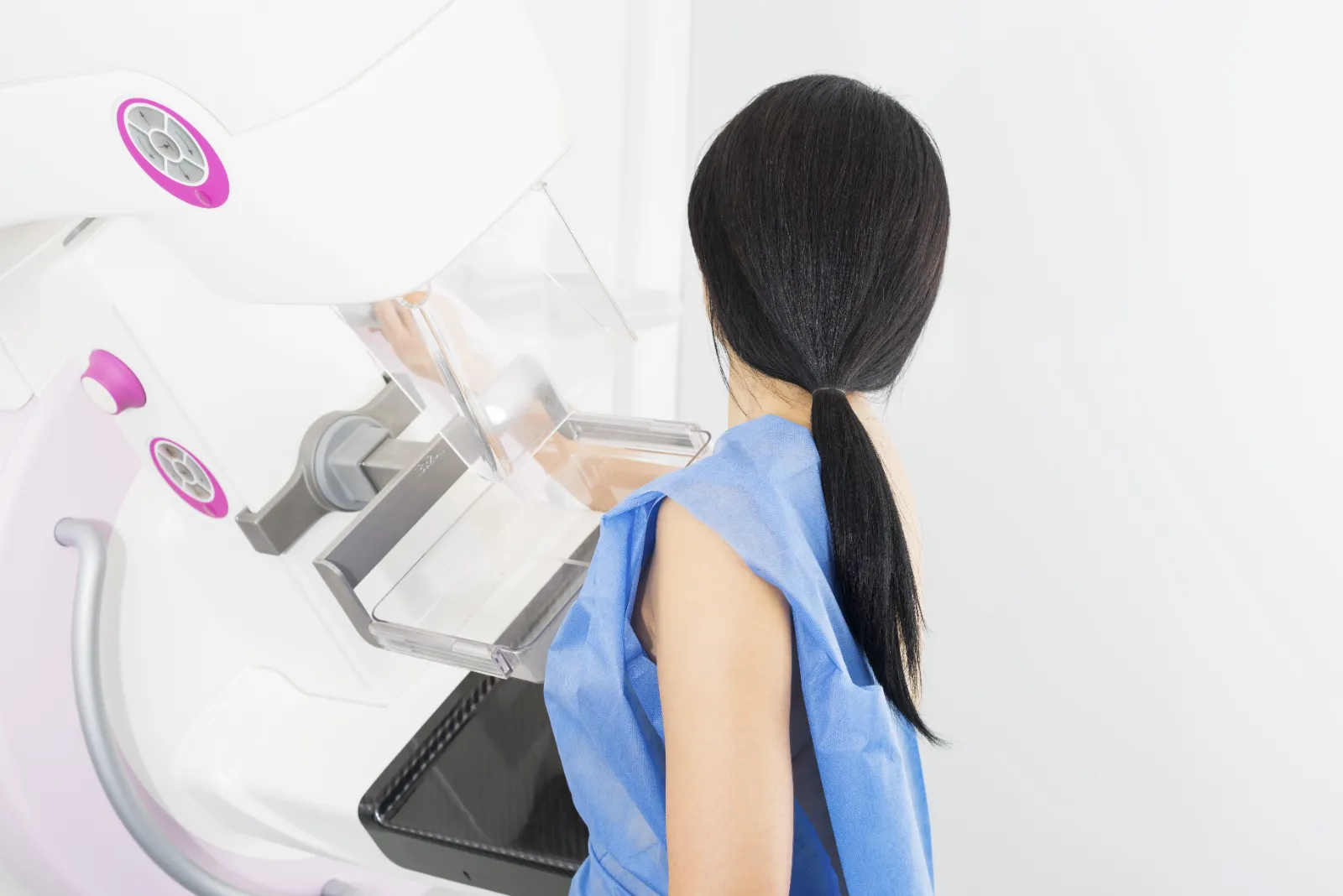
We have compiled the common misconceptions about breast health for you.
False: If there is no lump, there is no cancer.
True: Cancer can exist even without a lump being felt. Therefore, mammography plays a very important role in the early diagnosis of cancer.
False: If there is no family history of breast cancer, there is no risk of cancer.
True: 80% of women with breast cancer do not have a family history of breast cancer. This means that being a woman alone carries the risk of breast cancer.
False: Breast cancer does not occur in young women.
True: Although breast cancer is more common in women over 50, it can also occur in younger women.
False: Men do not get breast cancer.
True: Although at a low rate of 1 in 100, men can also develop breast cancer.
False: Mammography is a very painful procedure and can harm the breast.
True: You may feel discomfort due to pressure on the breast during mammography. However, this procedure does not harm the breast and is generally not painful and lasts very briefly. Mammography is performed after the menstrual period when the breast is less sensitive.
False: To determine whether a lump in the breast is cancerous, surgery must be performed under general anesthesia.
True: Most breast cancers can be diagnosed with a needle biopsy under local anesthesia without requiring surgical intervention. A needle biopsy is performed first for diagnosis.
False: Giving birth and breastfeeding protects against breast cancer.
True: Giving birth and breastfeeding do not protect against breast cancer; they only reduce the risk of developing it.
False: Every lump in the breast is cancer.
True: Not every lump in the breast is cancer; there are benign tumors as well. However, if a lump is found in the breast, a doctor should be consulted immediately.
False: People undergoing breast cancer treatment should not get pregnant.
True: Women who have completed breast cancer treatment and show no signs of recurrence can become pregnant.
False: I check my breast and feel no lump. Therefore, there is no need for a doctor’s check-up.
True: Some lumps may not be felt during a manual examination. Therefore, you should have regular check-ups appropriate for your age.
False: I had discharge from my breast; it could be cancer.
True: If the discharge from the nipple is bloody, it is suspicious and must be investigated.
False: Mammography causes cancer.
True: The radiation received during mammography is very low, so it does not carry a risk of causing cancer.
False: It is dangerous to have a mammogram at a young age.
True: There is no harm in having a mammogram. However, in women under 35, breast tissue is denser, making it difficult to obtain adequate images.
False: A biopsy causes the lump in the breast to become cancerous.
True: The biopsy procedure is the most reliable way to determine whether the lump is cancerous. The nature of the lump does not change with a biopsy.
False: In breast cancer surgeries, the entire breast is removed.
True: The type of surgery is determined based on the stage of the disease, the type of cancer, and the patient's characteristics. Nowadays, breast-conserving surgeries are preferred as much as possible.
False: If the entire breast is removed in breast cancer surgeries, cancer will not recur.
True: When breast cancer is diagnosed early, the recurrence rate is very low. There is always a possibility of cancer recurring or appearing elsewhere.
False: Stress causes cancer.
True: Stress is an important factor in cancer. However, it does not initiate cancer on its own.
False: There are male and female cancers. Female cancer spreads faster.
True: Cancer does not have a gender. There is a misconception in Anatolia that female cancers spread quickly. However, there is no such thing in medicine. There are types of cancer, and some types may behave more benignly.
Start with the right assessment for Common Misconceptions About Breast Health
Share your symptoms with our specialist physicians; let us determine the right diagnosis and treatment plan together.
Warning
If your symptoms started suddenly, are progressing rapidly, or significantly restrict your daily life, consult a physician without delay.
Plan your Common Misconceptions About Breast Health journey with our specialists.
Fill in the form or book an appointment to learn about treatment options, the process and preparation.