Fish Scale Disease (Ichthyosis)
Fish scale disease is a health condition characterized by dry, scaly and itchy skin. A genetic disorder, fish scale disease can often develop during infancy and childhood. It is common worldwide, and some forms can be life-threatening. In adults, it may appear later in life due to certain conditions. Fish scale disease is commonly referred to as ichthyosis. The most common type of fish scale disease is "ichthyosis vulgaris," which generally has mild symptoms. It may present with symptoms and signs at intervals ranging from mild to severe. In some individuals, ichthyosis affects only the skin, while in rare cases it may also affect internal organs.
The gene for inherited fish scale disease can come from a single parent or from both parents. Less commonly, non-genetic ichthyosis can develop due to certain health problems and medications. There is currently no definitive cure for fish scale disease; treatment aims to manage the symptoms. Individuals affected by fish scale disease may experience problems such as impaired mobility, disruption of social life and psychological difficulties. Management of the disease depends on the type and severity of the case. Treatment procedures may continue for life, with the aim of improving the patient's quality of life.
What Is Fish Scale Disease?
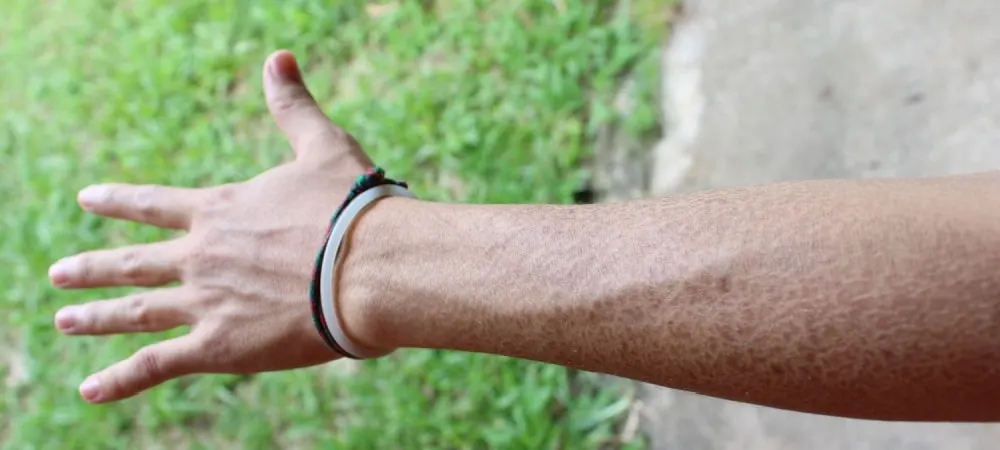
Ichthyosis, known as fish scale disease, is the formation of thick, dry and scaly skin resulting from the accumulation of epidermal cells. It is named this way because the thick, scaly skin resembles fish scales. Ichthyosis has more than 20 subtypes, and the most common is ichthyosis vulgaris. Ichthyosis vulgaris accounts for approximately 95% of cases and is the mildest form.
Fish scale disease symptoms may appear at birth or within the first few years of life. Rarely, ichthyosis vulgaris may also develop in adults. Ichthyosis seen in adults can be classified as "acquired." Acquired ichthyosis is a condition that often develops due to a disease such as cancer, kidney failure or HIV, or due to medications.
Less common types of ichthyosis include X-linked ichthyosis, lamellar type ichthyosis and Harlequin type ichthyosis. Harlequin type appears at birth and occurs when the entire body is covered with scaly skin. Lamellar type ichthyosis is born with a collodion membrane, and when this membrane peels off within a few weeks, scaly skin is revealed over a large part of the body. X-linked ichthyosis is scaling of the neck, trunk and legs, usually seen in males during the first 3-6 months of life.
The fish scale disease gene may come from a parent carrying one or more disease genes. This does not mean the parents must have fish scale disease. A carrier parent alone can also be involved in the genetic transmission of the disease. Fish scale disease is a hereditary health problem that may in some cases be mild. For this reason, it may be confused with excessively dry skin and go unnoticed. Ichthyosis may worsen in the cold, dry winter season and improve in the hot, humid summer. Although ichthyosis types present differently, they characteristically cause dry, scaly and rough skin.
How Does Fish Scale Disease Occur?
Fish scale skin disease occurs as a result of mutations in genes. There are multiple forms of gene mutation, and these patterns can lead to different types of ichthyosis. In the normal life cycle, people's skin sheds and new skin layers continue to develop. The presence of fish scale disease in the skin prevents this cycle from functioning normally due to the genetic change. Instead, skin may shed faster than it develops, shed very slowly, or shed more than it develops. This may disrupt the balance of skin formation. Mutations seen in one or both parents are involved in the development of the hereditary disease. Genetic mutations can be carried even if the parents do not have ichthyosis.
Mutations occurring during the baby's fetal development may also contribute to the disease. In these cases, the filaggrin protein, which enables the formation of the outer layer of the skin and the shedding of dead skin cells, may be insufficient. Apart from genetic influences, some medical conditions and medications can cause the development of "acquired ichthyosis." Causes of acquired fish scale disease may include sarcoidosis, cancers, HIV, kidney failure, cimetidine, clofazimine or nicotinic acid.
What Are the Symptoms of Fish Scale Disease?
Because the symptoms of fish scale disease may be milder in some people, ichthyosis may go undiagnosed. In this case, many individuals use moisturizers and similar products to control excessively dry skin. Fish scale disease of the skin may sometimes be discovered years after more serious health problems have been diagnosed. Nevertheless, ichthyosis commonly has the following similar signs and symptoms:
Dry and itchy skin,
Redness of the skin,
White, gray or brown and rough, scaly skin,
Thickened skin with a dirty appearance on the soles of the feet and palms,
Deepened lines or cracks on the soles of the feet and palms
Warty bumps on the arms, buttocks and thighs (keratosis pilaris),
Excessive overheating of the body and inability to sweat sufficiently.
In addition, different findings may be seen depending on the ichthyosis type. The most common of these include:
Tightening of the skin,
Difficulty moving the joints,
Brittle and shedding hair,
Blisters that burst and turn into wounds,
Hearing difficulty,
Dryness of the eyelids and eyes.
Fish scale disease may be seen at birth or may appear a few months later. In some cases, a child may develop ichthyosis at a younger or older age .
How Is Fish Scale Disease Diagnosed?
Ichthyosis skin disease is often confused with dry skin and, at times, cannot be easily diagnosed. Your dermatologist may use several evaluations to diagnose fish scale disease. Symptoms and signs are examined during the physical examination. In addition, the presence of ichthyosis in family members and close relatives may be investigated. When the symptoms began, whether there is another health problem, and which other skin diseases are present are determined. Medications and supplements being used are also evaluated. Fish scale skin disease may look similar to other skin diseases. A skin sample may need to be taken in order to distinguish it from other skin diseases. Skin tissue obtained by biopsy is examined under a microscope. Biopsy is performed easily and quickly and can also be used in genetic testing. As part of the definitive diagnosis, your doctor may also request blood and saliva tests.
How Is Fish Scale Disease Treated?
There is no definitive method for treating fish scale disease. The main goal of current ichthyosis treatment is to ensure the skin sheds in flakes and remains moisturized. Supporting skin shedding can prevent the skin from drying out, cracking and becoming infected. Individuals with ichthyosis may need to regularly ensure shedding and moisturizing. In this context, ichthyosis treatment aims to manage or relieve symptoms. Practices included in the treatment plan may include:
Topical (local) agents: Topical applications help reduce scaling and provide skin hydration and moisturization. Agents applied as creams and ointments may be taken as oral retinoids in severe cases. In addition, oral antibiotics may be prescribed for patients with a secondary infection.
Oral medications: Oral retinoids are the preferred medications in severe ichthyosis. Retinoids may be beneficial for patients with lamellar, X-linked and ichthyosis-related erythroderma. Fish scale disease medications may require low-dose use, generally for life.
Lifestyle habits: Reducing cigarette and tobacco product use, avoiding irritants, taking lukewarm baths and using mild cleansers, drinking plenty of fluids and applying a moisturizer after bathing help improve the general appearance of the skin.
Frequently Asked Questions
Ichthyosis (skin dryness) is not an infectious skin disease. It can often result from genetic factors, serious health problems and certain medications. Patients with fish scale disease do not spread the disease through contact or other means. Ichthyosis is a skin disease that develops due to genetic conditions. Gene mutations from one or both parents may cause fish scale disease in a child. Family history is evaluated when diagnosing the disease, and risk can be estimated. However, it cannot be said that all ichthyosis cases arise from genetic factors. There is no definitive cure for fish scale disease, but it is possible to alleviate bothersome symptoms. Helpful practices for fish scale disease may include moisturizing the skin, gentle exfoliation, treating underlying diseases, and using prescribed antibiotics and topical medications. Since there is no definitive treatment for fish scale disease, it cannot be completely cured. Fish scale disease treatment aims to improve or control the findings. In this way, disruption of daily activities and social life can be prevented. Do not neglect your check-ups for your general and skin health. Services for the diagnosis and treatment of fish scale disease are provided at Hisar Hospital Intercontinental.
Start with the right assessment for What Is Fish Scale Disease (Ichthyosis)? Symptoms, Causes and Treatment
Share your symptoms with our specialist physicians; let us determine the right diagnosis and treatment plan together.
Warning
If your symptoms started suddenly, are progressing rapidly, or significantly restrict your daily life, consult a physician without delay.
Plan your What Is Fish Scale Disease (Ichthyosis)? Symptoms, Causes and Treatment journey with our specialists.
Fill in the form or book an appointment to learn about treatment options, the process and preparation.