An Achilles tendon rupture is an injury that can occur in the middle of sports or during a sudden movement and is immediately noticeable. Many people hear a "pop" sound at the moment of rupture and feel sharp pain in the ankle. Therefore, this condition significantly affects both your physical and daily life. In this article, you will find answers to questions about Achilles tendon rupture symptoms, what causes an Achilles tendon rupture, who is at risk, how it is diagnosed, treatment options, and how an Achilles tendon rupture heals.
What Is an Achilles Tendon Rupture and What Causes It?
What Is the Achilles Tendon?
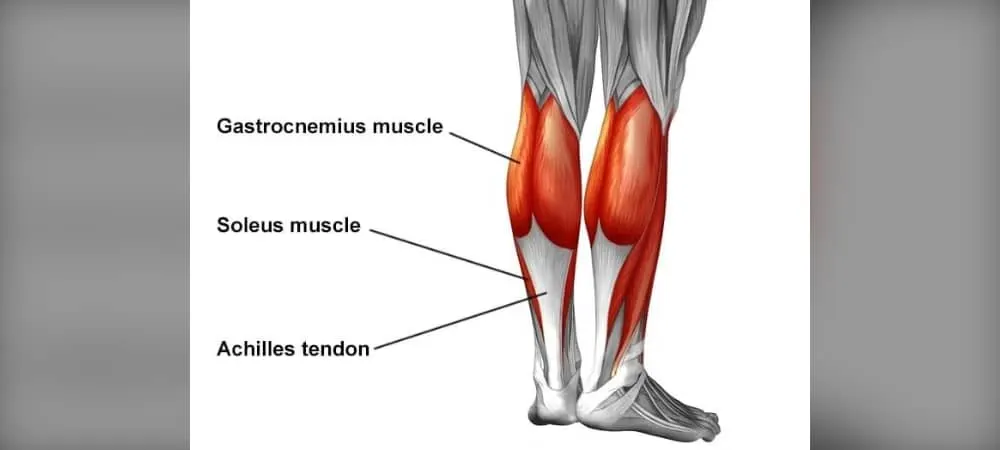
There is a thick connective tissue that connects your calf muscles to your heel bone. This tissue is called the Achilles tendon. Although it is the strongest and thickest tendon in your body, it can be damaged due to intense use and aging.
The Achilles tendon plays an active role in walking, running, and jumping. It allows you to rise on your tiptoes and take steps. This tendon works constantly during most of your daily activities.
How Does an Achilles Tendon Rupture Occur?
The answer to the question of what causes an Achilles tendon rupture is usually related to sudden movements. When there is more tension on the tendon than normal, a partial or complete rupture occurs. Especially sudden jumping, acceleration, or changing direction movements cause this tension.
The tendon wears out over time and loses its flexibility. This condition becomes more pronounced, especially in people between the ages of 30-40. A worn-out tendon becomes more fragile, and even a small strain can lead to a rupture.
Sudden activities performed in cold weather or after insufficient warm-up also create risk. When muscles and tendons are not sufficiently warmed up, their flexibility decreases. Therefore, a sudden movement puts an unexpected load on the tendon.
Risk Factors That Cause Achilles Tendon Rupture
As age increases, blood flow to the tendons decreases and elasticity is lost. For this reason, men between the ages of 30-50 are in the highest risk group. Also, weekend warriors are in danger.
Starting sudden activity for people who do not exercise regularly can shock the tendon. A tendon that has been inactive for a long time is not ready for a sudden load. Furthermore, overtraining also tires and wears out the tendon.
Corticosteroid medication use weakens the tendon structure. The risk of rupture increases in people who use these drugs regularly. Obesity also creates constant pressure on the tendon due to extra weight.
Which Sports Increase the Risk of Achilles Tendon Rupture?
Sports that require jumping and sudden stops fall into the highest risk group. The tendon is constantly stretched while playing basketball, volleyball, and tennis. Every jump and landing creates an impact on the tendon.
Running sports also carry high risk. Especially sprint runs and activities like skating require sudden acceleration. In games like football and rugby, both running and sudden changes in direction are combined.
You should also be careful in activities that require flexibility such as dance and gymnastics. In these sports, the ankle is constantly strained and moves at different angles.
Chronic Diseases That Cause Achilles Tendon Rupture
Some health problems weaken the tendon structure and increase the risk of rupture. Diabetic patients hold an important place in this group. High sugar levels negatively affect tendon tissue and slow down healing.
Rheumatological diseases also threaten tendon health. Joint inflammations such as rheumatoid arthritis also weaken the tendon. Gout disease causes crystal accumulation around the tendon.
High blood pressure and cholesterol problems impair blood flow to the tendons. Malnutrition cannot provide the building blocks necessary for tendon repair.
What Are the Symptoms of an Achilles Tendon Rupture?
When the tendon ruptures, your body gives a signal immediately and symptoms appear instantly. Many people remember this moment clearly and can describe their experience in detail.
Symptoms Felt at the Moment of Rupture
You feel a sudden and sharp pain in the back of your ankle. This pain is so severe that it makes it difficult for you to move. At the same time, you feel as if someone has kicked you in the leg.
Most people hear a cracking or popping sound at the moment of rupture. This sound is sometimes so loud that even those around you can notice it. However, you may not hear a sound in every case.
After the injury, it becomes impossible to put weight on your ankle. When you try to walk, your leg cannot carry you. You even have difficulty lifting your foot off the ground.
You lose your ability to rise on your tiptoes or push your foot downward. This is the most prominent among the symptoms of an Achilles tendon rupture. You cannot perform movements that you can normally do easily.
Symptoms Seen After Rupture
A few hours after the injury, swelling begins in your ankle. The swelling spreads toward the sole of your foot and your calf over time. Especially within the first 24 hours, the swelling increases significantly.
Bruising is seen in and around your ankle. The color change usually progresses from reddish-purple to dark purple. The bruising may become more intense within a few days.
A gap that can be felt by hand forms in the area where the tendon ruptured. When you run your finger from the lower part of your calf toward your heel, you notice a hollow area. This gap is the physical evidence of the rupture.
Your foot stands in a different position than normal. Usually, the foot remains in a drooping position. Furthermore, you have difficulty lifting your toes upward.
The pain may decrease after the initial severity. However, this does not mean healing. If the tendon is completely ruptured, the pain may sometimes be less than expected. Therefore, the decrease in pain should not mislead you.
Who Gets an Achilles Tendon Rupture?
Men carry a higher risk than women. Especially in the male population between the ages of 30-50, the frequency of occurrence is significantly higher. Hormonal differences and activity levels affect this situation.
People who exercise irregularly are in the high-risk group. Those who live a sedentary life during the week and do intense activity on the weekend often experience this injury. Your tendons cannot adapt to sudden load changes.
Recreational athletes are affected more than professionals. The answer to the question of who gets an Achilles tendon rupture is clear for people who do not train regularly but do intense activity occasionally. Their tendons are not strong and flexible enough.
Desk workers should be careful when switching to sudden sports activities. Working while sitting for long periods weakens and shortens the tendons. Starting sports suddenly can strain this weakened tendon.
How Is an Achilles Tendon Rupture Diagnosed?
Your doctor uses several different methods when diagnosing an Achilles tendon rupture. First, they listen to your history and ask in detail about the moment of injury. Which activity you were doing when the rupture occurred, what kind of sound you heard, and the severity of the pain provide important clues.
Physical Examination and Tests
Your doctor carefully examines your ankle and evaluates the swelling status. They perform a manual examination in the area where the tendon ruptured and check for a gap. This gap is usually felt a few centimeters above your heel.
You are asked to move your foot. They check if you can rise on your tiptoes. This simple movement provides a lot of information for the diagnosis of an Achilles tendon rupture. If the tendon is completely ruptured, you cannot perform this movement.
They compare your injured and healthy leg. Differences between the two ankles indicate the presence of a rupture. You cannot perform movements on the injured side that you can easily do on your healthy side.
Thompson Test
This test is the most commonly used examination method for Achilles tendon rupture. You are asked to lie face down and let your feet hang off the edge of the table. Your doctor squeezes your calf muscle and observes the reaction of your foot.
In a normal tendon, the foot moves downward when the calf is squeezed. However, if the tendon is ruptured, this movement does not occur or is very slight. The test is extremely simple but provides quite reliable results.
The Thompson test is a painless procedure. It only takes a few seconds and results are obtained immediately. Therefore, your doctor can understand whether there is a rupture instantly with this test.
Matles Test
The Matles test is also an important part of the physical examination. In a face-down position, you bend your knees 90 degrees. Your doctor compares the position of both your feet.
The foot on the healthy side is usually slightly tilted downward. On the side where the tendon is ruptured, the foot rises upward or stays straight. This difference is easily seen with the eye and is an important finding for diagnosis.
You do not feel any pain during the test. It is enough to just lie in a natural position. The more pronounced the difference between both feet, the more complete the rupture may be.
Diagnosis with Imaging Methods
After the physical examination, your doctor may resort to imaging methods. Ultrasound is the most commonly used first method. It shows whether the tendon is ruptured, and whether it is a partial or complete rupture.
The tendon structure is examined in detail with ultrasound. The location and severity of the rupture are clearly displayed. Also, ultrasound is a cheap and fast method and does not contain radiation.
MRI imaging offers more detailed information. It also shows the soft tissues around the tendon. It is used to understand the exact status of the rupture before surgical planning.
In some cases, an X-ray may also be taken. An X-ray does not directly show the tendon rupture but rules out bone problems. It is useful for understanding whether there is a fracture in the heel bone or another problem.
Imaging results shape the treatment plan. While non-surgical treatment may be possible in partial ruptures, surgery may be required in complete ruptures. Furthermore, the location and size of the rupture affect the healing time.
How Is Achilles Tendon Rupture Treated?
Achilles tendon rupture treatment is determined according to the degree of the rupture, your age, and your activity level. Your doctor chooses the most appropriate treatment path for you after evaluating the physical examination and imaging results. Every patient's condition is different and the treatment plan is personalized.
Non-Surgical Treatment Methods
Non-surgical treatment may be preferred in partial ruptures or in people with low activity levels. Your foot is kept in a special position to allow the tendon to heal on its own. This method is suitable for patients who want to avoid surgical risks.
In the first stage, your foot is put in a cast or a special boot is worn. It is fixed so that the toes point downward. This position allows the tendon ends to approach each other and supports healing.
You need to wear a cast or boot for about 6-8 weeks. During this period, you cannot put any weight on your injured foot. You move using crutches.
In non-surgical treatment, the risk of re-rupture is slightly higher than in surgical treatment. However, you do not experience infection or wound healing problems. Therefore, your doctor evaluates the risks and benefits together.
Surgical Treatment (Surgery)
Surgical treatment is recommended for complete ruptures and active athletes. Surgery provides a stronger healing by joining the ruptured tendon ends. It is preferred in young people and those with an active lifestyle.
During surgery, the ruptured tendon ends are joined with the help of stitches. Sometimes, if the tendon is damaged, support is taken from surrounding tissues. The surgical procedure usually takes 1-2 hours.
After surgery, your foot is again put in a cast or a special boot is worn. You cannot put weight on your injured foot in the first weeks. The stitches in the surgical area are removed after about 2 weeks.
Surgical treatment reduces the risk of re-rupture and creates a stronger tendon structure. However, there may be risks such as post-operative infection, nerve damage, or wound healing problems.
Physical Therapy and Rehabilitation
After the cast or boot is removed, you start a physical therapy program. This stage is very important for Achilles tendon rupture treatment. Your muscles have weakened and your joints have stiffened.
Your physical therapist gives you special exercises. First, you do light stretching movements. Regaining the flexibility of your ankle is the first goal.
Over time, you move on to strengthening exercises. You do movements that strengthen your calf muscles. The difficulty of the exercises increases gradually.
Balance and coordination exercises are also added to the program. These studies make it easier for you to return to daily activities. Thus, your walking patterns return to normal.
How Does an Achilles Tendon Rupture Heal?
The healing process takes place in 3 stages. In the first phase, the body sends special cells to the injured area and inflammation begins. This process lasts about 2 weeks.
In the second phase, new tendon tissue begins to form. However, this tissue is still weak and can be easily damaged. This stage continues between 6-10 weeks.
In the third phase, the tendon tissue matures and strengthens. Tissues are rearranged and the tendon approaches its former strength. This process is completed between 3-6 months.
Things to Consider After Treatment
Be sure to go to the follow-up appointments recommended by your doctor. Regular check-ups show the course of healing and detect possible problems early. Also, do not neglect your physical therapy program.
Increase your activities gradually. Avoid sudden and intense movements. If you are an athlete, do not return to sports until your doctor gives permission.
Pay attention to your shoe choice. Prefer shoes with a slightly high heel and supportive features. Flat-soled or hard shoes can strain the tendon.
Rest when pain or swelling increases. Listening to your body's signals is very important. You can apply ice and lift your foot up when you are strained.
Frequently Asked Questions About Achilles Tendon Rupture
How Long Does an Achilles Tendon Rupture Take to Heal?
The healing time varies depending on your treatment method and the severity of the rupture. When you choose non-surgical treatment, full recovery occurs between 4-6 months. After surgical treatment, this time is similar, but the return to sports may be slightly earlier.
You wear a cast or boot for the first 6-8 weeks. During this time, your daily activities are limited. Then physical therapy begins and your mobility increases gradually.
Returning to full strength and function takes between 6-12 months. In athletes, this time may be longer because the tendon must be completely strengthened for a return to sports. Also, every person's healing speed is different and your age, general health, and compliance with physical therapy affect the process.
Being in a hurry increases the risk of re-injury. Following the times recommended by your doctor and physical therapist gives better results in the long run. For example, it is recommended to wait at least 4-6 months to start running.
Is Achilles Tendon Surgery Necessary?
Not every Achilles tendon rupture requires surgery. Your doctor makes the decision by evaluating many factors. Your age, activity level, general health status, and the type of rupture play an important role.
Surgery is recommended more frequently in young and active people. Surgical treatment is preferred, especially in athletes, because it provides better results for strong healing and return to sports. Surgery is also usually a more appropriate option for complete ruptures.
Non-surgical treatment may be sufficient for elderly patients or people with low activity levels. However, if you have chronic diseases or if surgical risks are high, your doctor may recommend the non-surgical method.
Both treatment methods have advantages and disadvantages. Surgery provides stronger healing and the risk of re-rupture is lower. However, it carries surgical risks such as infection and wound healing problems. Non-surgical treatment eliminates these risks but the probability of re-rupture is slightly higher.
How Does Achilles Tendon Pain Go Away?
Use the painkillers recommended by your doctor for pain management in the first days. Drugs such as paracetamol or ibuprofen bring the pain under control. It is important to consult your doctor even when using over-the-counter drugs.
Ice application reduces swelling and pain. You can apply ice for 15-20 minutes every 2-3 hours for the first 48-72 hours. Keep the ice in a towel or cloth, not directly on the skin.
Lift your foot above heart level. This position reduces swelling and helps with pain control. You can put a pillow under your foot while lying down.
Over time, the pain decreases naturally. You usually notice a significant improvement after the first 2 weeks. Therefore, your need for painkillers decreases. However, if the pain is increasing or you feel a different pain, be sure to inform your doctor.
How Can I Prevent an Achilles Tendon Rupture?
Keep your calf muscles strong by exercising regularly. Weak muscles put more load on the tendon. Doing strengthening exercises 2-3 times a week has a protective effect.
Be sure to warm up before sports. Cold muscles and tendons are damaged more easily. 10-15 minutes of light cardiovascular activity and stretching movements prepare the tendons.
Increase your activity level gradually. Starting intense sports suddenly after being inactive for a long time is dangerous. Progress slowly when starting a new sport or increasing training intensity.
Choosing appropriate shoes is important. Worn or inappropriate shoes disrupt your foot mechanics. Change your sports shoes regularly and prefer models suitable for your foot.
Be more careful as you age. Tendon flexibility decreases after the age of 30. Especially if you are a weekend warrior, start slower and do not push yourself. Also, keeping your body weight in a healthy range protects your tendons.
In Summary, Achilles Tendon Rupture
An Achilles tendon rupture occurs suddenly and affects your life. It is very important to consult a doctor immediately when you notice the symptoms. Early diagnosis expands treatment options and positively affects the healing process.
The treatment method is determined according to the degree of the rupture and your lifestyle. Both surgical and non-surgical options give successful results when applied correctly. However, your compliance with the physical therapy program is essential for full recovery.
Prevention is always better than treatment. Regular exercise, proper warm-up, and gradual training increase protect you from this injury. Listen to your body's signals and do not be hasty.
What is an Achilles tendon rupture, what are the symptoms, and how is it treated? Learn the diagnosis and treatment methods of this injury caused by sudden movements.
Start with the right assessment for What is an Achilles Tendon Rupture? What Are the Symptoms? How Is It Diagnosed and Treated?
Share your symptoms with our specialist physicians; let us determine the right diagnosis and treatment plan together.
Warning
If your symptoms started suddenly, are progressing rapidly, or significantly restrict your daily life, consult a physician without delay.
Plan your What is an Achilles Tendon Rupture? What Are the Symptoms? How Is It Diagnosed and Treated? journey with our specialists.
Fill in the form or book an appointment to learn about treatment options, the process and preparation.