What is a Stye? What are the Symptoms?
A stye is a type of eye infection that manifests with symptoms such as redness, swelling, irritation, and pain in the eye. Although a stye often resolves on its own within a few days, it can rarely progress and cause serious complications such as impairment in visual function. In cases where the pain and swelling do not subside with home remedies and continue to progress, expert ophthalmologists may resort to different treatment options such as eye drops, creams, or surgical intervention when necessary.
What is a Stye?
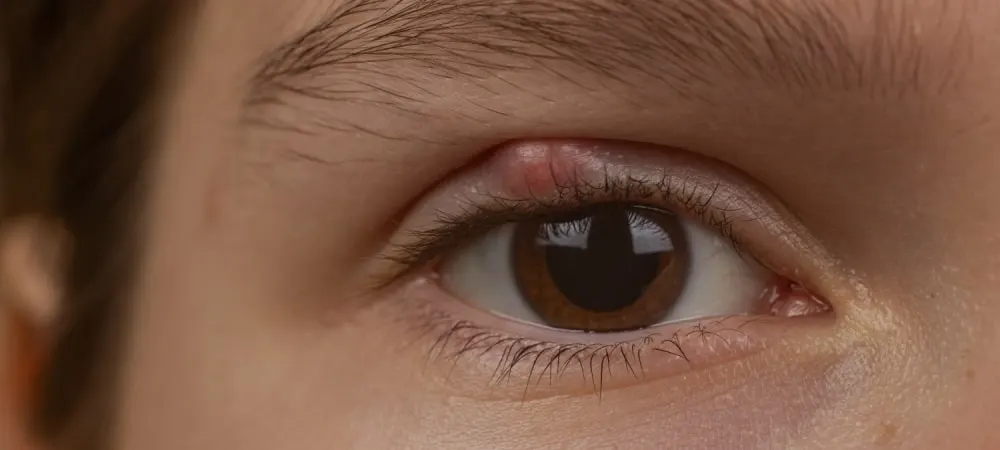
A stye, known in medical literature as a hordeolum, is an eye infection characterized by the appearance of a pimple-like lesion on the edge of the upper or lower eyelid, accompanied by complaints such as pain, irritation, and redness. A stye in the eye usually develops as a result of the blockage of oil glands located in the eyelid for various reasons. While a stye eye infection mostly affects one eye, it can rarely appear in both eyes simultaneously.
The primary cause of stye formation is the infection and blockage of the Zeiss, Moll, and Meibomian glands located in the eyelid by various bacteria, primarily S. aureus. Inflammation of the Zeiss and Moll glands, which are sweat and oil glands located at the base of the eyelashes, causes pain and swelling at the base of the lashes. This condition, also known as an external stye, has a pimple-like appearance when viewed from the outside.
The Meibomian glands, another type of oil gland in the eyelid, are located on the inner part of the eyelids. When the Meibomian glands are infected by various microbes such as S. aureus bacteria, the resulting infection on the inner part of the eyelid is called an internal stye. Although an internal stye may not be very visible from the outside, it can cause symptoms such as pain and irritation, just like an external hordeolum.
A stye can affect people of all ages and genders. However, the oil glands in the eyelids of adults contain a thicker layer of oil compared to children. This is the main reason why styes are more common in adults. In addition, certain physiological and environmental factors can increase the risk. The main risk factors for a stye are as follows:
Contact lens use,
Using old or contaminated products when applying eye makeup,
Blepharitis, which is characterized by inflammation of the eyelids,
Chronic health problems such as rosacea or diabetes,
A history of having had a stye on the eyelid,
Fluctuating hormone levels in women during certain periods,
High cholesterol (a type of fat) levels.
In addition to those listed, the oil glands in the eyelids can become blocked and a stye eye infection can develop due to various reasons such as not removing makeup as required or not paying attention to hygiene rules.
What are the Symptoms of a Stye?
One of the first symptoms that comes to mind when a stye is mentioned is painful swelling that appears on the eyelid. Accordingly, the main symptoms of a stye can be listed as follows:
A painful, red, pimple-like swelling that is usually noticeable when looking at the eyelid from the outside,
Watery eyes,
Swelling and redness in the entire eyelid or only in the infected area,
Dryness and crusting on the eyelid,
Sensitivity to light,
Itching in the eyelid,
A feeling as if there is a foreign body in the eye.
In addition to those listed above, serious symptoms such as vision problems or discharge of pus from the swelling can rarely be seen. In this case, it is important to consult an expert physician without delay.
How is a Stye Diagnosed?
Patients who present to healthcare institutions with complaints such as irritation, burning, pain, swelling, and redness in the eye are first physically examined by an expert ophthalmologist. In most cases, a physical examination is sufficient for diagnosis. When necessary, experts may use ophthalmic devices such as lights and magnifying glasses to examine the inner part of the eyelid in detail during the examination.
How is a Stye Treated?
A stye on the eyelid usually resolves on its own within 1-2 weeks with some methods that can be applied at home. Some methods that can be applied at home for stye treatment are as follows:
Warm compress application: Applying a warm compress with the help of a warm and clean cloth for 10-15 minutes at least three to five times a day can help soften the swelling and disperse the inflammation. Some experts suggest that the powerful antioxidants found in green tea compounds can kill bacteria, and therefore, applying a warm compress with green tea bags may also alleviate symptoms.
Paying attention to hygiene rules: One of the main methods that helps prevent the spread of infection is keeping the eyelids clean. For this, special solutions or products that will not harm the eye, such as baby shampoo, can be used.
The methods listed above mostly help the infection to pass and the symptoms to alleviate. However, in cases where positive results cannot be obtained from these methods and the swelling, pain, and redness are getting worse, it is important to consult an expert ophthalmologist without delay. Experts may prescribe creams or eye drops with antibiotic properties to patients who present to healthcare institutions with hordeolum symptoms. In cases where eye drops and creams are not effective for a stye, oral antibiotics may be required upon the recommendation of the ophthalmologist. In cases where positive results cannot be obtained from these treatment methods, physicians may apply steroid injections to reduce the swelling or drain the inflammation by making a small incision after numbing the area with the help of local anesthesia.
During stye treatment, some patients may feel the need to squeeze the swelling due to its resemblance to a pimple. Since squeezing a stye can cause the infection to spread, it is important to avoid squeezing the stye to get rid of the swelling.
What is the Process After Stye Treatment?
Although it is not always possible to be completely protected from a stye after treatment, paying attention to certain points can reduce the risk of the infection recurring. Accordingly, the methods that will help prevent a stye are as follows:
Washing hands with soap and water before touching the face and eyes,
Using appropriate disinfectant products in cases where it is not possible to access soap and water,
Washing hands before inserting and removing contact lenses,
Cleaning contact lenses with the help of special solutions produced for lenses,
Removing makeup before going to bed,
Avoiding sharing makeup materials with others,
Replacing makeup materials every 2-3 months.
The recovery process after stye treatment is usually fast. Adhering to hygiene rules and the doctor's recommendations during treatment can positively support the success of the treatment. Paying attention to eye hygiene during and after treatment can help both the healing process occur faster and prevent the recurrence of a stye afterwards. Additionally, it may be beneficial to avoid wearing eye makeup and using contact lenses until the doctor recommends it during treatment.
Frequently Asked Questions
One of the most effective methods for a stye in the eye is to apply a clean cloth soaked in warm water to the eyelid for 10-15 minutes several times a day. Also, although there are not enough scientific studies, applying a compress with green tea, which is known for its antioxidant content, may also help alleviate symptoms. A stye usually resolves on its own in a week. However, in some cases, the healing process may take longer. If the infection lasts longer than a week and the severity of the symptoms increases, it is beneficial to consult an expert physician. Under normal conditions, a hordeolum is not a contagious disease. However, in rare cases, not washing hands after touching the eye can cause bacteria to spread. It is also important to avoid the common use of items such as towels and pillowcases during this process (1). A hordeolum heals on its own in most cases without the use of medication. However, in cases where home remedies are ineffective, experts may use antibiotic creams applied only to the infection area, eye drops, or, in more advanced cases, orally administered antibiotic drugs. If a stye is not diagnosed and treated in the early stages, it can cause the infection to spread to other parts of the eye and lead to serious complications. When a stye bursts, the pus inside drains out and symptoms usually subside. However, trying to pop a stye can cause the infection to spread. For this reason, instead of squeezing the swelling in the eye, it is important to care for the infection area as recommended by doctors. A hordeolum is usually not dangerous and heals on its own within a few days to weeks. However, complications such as severe pain, impairment in visual function, excessive swelling or redness in the eyelid can rarely be seen. In this case, there may be another underlying cause for the swelling in the eye. Therefore, it is important to apply to a healthcare institution in case of symptoms such as persistent swelling, redness, or pain in the eye. Scientific studies showing a direct relationship between a stye and stress are limited. However, considering that stress can negatively affect the normal function of the immune system, it is possible to say that stress can increase the risk of catching various infectious diseases, including eye infections.
A stye is an eye infection that can usually be resolved with simple methods. However, it is important to consult an expert ophthalmologist in cases of styes that do not go away, recur, or lead to vision problems.
Our experts at the Hisar Hospital Intercontinental Department of Ophthalmology are with you in the diagnosis and treatment of styes and other eye infections.
You can visit our contact page to get more information or to create an appointment.
Start with the right assessment for What is a Stye? Symptoms, Causes, and Treatment Methods
Share your symptoms with our specialist physicians; let us determine the right diagnosis and treatment plan together.
Warning
If your symptoms started suddenly, are progressing rapidly, or significantly restrict your daily life, consult a physician without delay.
Plan your What is a Stye? Symptoms, Causes, and Treatment Methods journey with our specialists.
Fill in the form or book an appointment to learn about treatment options, the process and preparation.