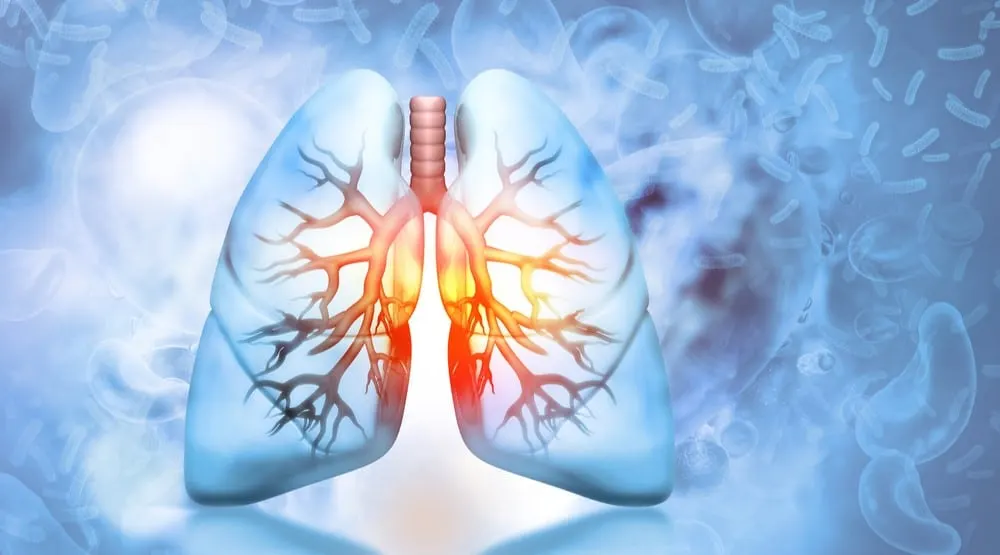
Hydatid cyst is seen when eggs of the parasite Echinococcus granulosus, which live in the intestines of carnivorous animals such as dogs, wolves and foxes and which they acquire from the meat of animals such as sheep, goats and cattle, are transmitted to humans. These parasite larvae, taken in by humans through the mouth and respiratory tract, can form cysts in internal organs such as the lungs, liver, spleen and brain and cause serious complications. Lung hydatid cyst is more common in rural areas where livestock is raised. This parasite is usually found in dogs and can spread into the environment through the feces of infected animals. People can become infected by consuming water or food contaminated with the larvae of this parasite. Lung hydatid cyst may often not show noticeable symptoms, and diagnosis may occur incidentally through radiological examinations performed for other reasons. However, in advanced cases, symptoms such as cough, shortness of breath and chest pain may appear. Treatment generally involves surgical intervention, aiming to remove the cysts and bring the infection under control. Early diagnosis and treatment may support a healthy recovery by preventing the progression of the disease.
What Is a Hydatid Cyst?
‘’What is a hydatid cyst?’’ is an important question for people who show the symptoms of this condition. Lung hydatid cyst is a condition in which cysts caused by an infection with the parasite Echinococcus appear in the lungs. The disease causes noticeable symptoms as the cysts filled with fluid form in internal organs and the larvae grow inside them. These parasites usually live in hosts such as sheep and dogs. However, people can contract the disease if they unknowingly eat or drink anything contaminated with the parasite.
What Are the Symptoms of Hydatid Cyst?
This condition causes cysts to form in various organs and tissues of the body. The cysts are filled with fluid and can range in size from that of a chickpea to much larger. In the early stages of the disease, and while the cyst is still small, the disease may show no symptoms for many years. However, once the cysts begin to grow, symptoms appear depending on the pressure they exert on the surrounding area. Cysts most often occur in the liver and lungs. Common hydatid cyst symptoms include:
Abdominal Pain and Swelling: Cysts in the liver may cause pain and swelling in the abdominal area.
Shortness of Breath: If a cyst forms in the lung, shortness of breath may occur.
Cough and Chest Pain: Cysts affecting the lungs may cause cough, sputum and chest pain. In some cases, blood may come up from the mouth. Cyst membranes may be expelled.
Nausea and Vomiting: Growth of the cysts and pressure on surrounding tissues may cause nausea and vomiting.
Loss of Appetite: Hydatid cyst infection may generally lead to loss of appetite, which may result in weight loss.
Jaundice: Cysts pressing on the liver may cause symptoms of jaundice.
Headache: Growth or pressure of the cysts may cause headache.
Allergic Reactions: Rupture of the cysts or release of their contents may lead to allergic reactions.
What Are the Causes of Hydatid Cyst?
Hydatid cyst is a type of infection caused by the parasite Echinococcus granulosus. People may develop hydatid cyst disease if they come into contact with animal feces containing the parasite's eggs or if they eat and drink contaminated food. The factors below may be among the causes of lung hydatid cyst.
Contact with the Parasite: The Echinococcus granulosus parasite, found in dogs and other carnivorous animals, is transmitted through the eggs that infected animals release into the environment in their feces.
Contact and Transmission: People may come into contact with the parasite through direct contact with infected animals or by consuming contaminated water and food.
Occupations Related to Agriculture and Livestock: People working in agricultural fields and those in frequent contact with animals may be at risk of transmission from infected animals.
Hygiene Habits: Personal hygiene habits, especially handwashing and care during food preparation, may reduce the risk of transmission.
Children and Pets: Dogs and other pets kept at home may also carry the parasite and transmit it to humans. Children are at higher risk because they enjoy playing with dogs and because their hygiene habits are often less developed.
How Does Hydatid Cyst Occur?
Parasite larvae (eggs) found in the feces of animals such as dogs, cats, jackals, foxes and wolves that carry the parasite may become airborne as dust along with the feces, or may settle on food and drink carried by the wind and contaminate them. The disease is transmitted to humans through reasons such as eating contaminated fruits and vegetables, drinking water, and inhaling eggs carried by the wind through the respiratory tract. In addition, not washing hands thoroughly after touching dogs that carry the parasite is also one of the transmission risks. The stages of infection may include:
Release of Parasite Eggs into the Environment: Infected dogs release the parasite's eggs into the environment through their feces. These eggs become a source of transmission through soil, water and plants.
Human Contact: People may take in parasite eggs when they come into contact with contaminated water, soil or plants. In addition, eating the meat of infected animals also carries a risk of encountering the parasite.
Transmission of Eggs to Humans: Parasite eggs that have come into contact with the body may be taken in through the mouth. At this point, the risk of infection begins.
Formation of Cysts in the Body: Ingested parasite eggs dissolve in the stomach and intestines and develop into embryos. The embryos enter the bloodstream and begin to circulate in the body.
Cyst Formation: Parasite embryos usually lodge in organs such as the liver or lungs and lead to the formation of cysts. These cysts may grow over time and fill with the fluid they contain.
Symptoms and Complications: Growth of the cysts and the pressure of the fluid they contain may cause various symptoms. These symptoms vary depending on the patient's health condition, the size of the cyst and the organ affected.
How Is Hydatid Cyst Diagnosed?
Because hydatid cyst does not cause symptoms for many years, it is often detected incidentally during the treatment of other conditions. Diagnosis is made based on the patient's complaints, findings from the physician's examination, X-rays and blood tests. Modern technologies such as ultrasonography, computed tomography and magnetic resonance imaging show the location and structure of the cysts in detail. Serological methods may be used in patients in whom a hydatid cyst is detected through clinical and radiological findings or is suspected. These serological tests play a role in detecting parasite antibodies in the blood or body fluids. Laboratory tests may also be used to examine the contents of the cyst. The patient's clinical history and symptoms, combined with these diagnostic methods, play an important role in making an accurate diagnosis.
How Is Hydatid Cyst Treated?
In cysts where calcification has occurred as a result of mineral accumulation in the fluid or tissue they contain, follow-up is usually recommended. For other cysts, the first treatment option for cysts in areas that can be reached is surgical intervention or aspiration with a needle. Drug therapy may be used for cysts in hard-to-reach areas, cysts involving multiple organs, very small cysts, or in patients whose general health condition is not suitable for surgery. Some of the treatment methods used include:
Surgical Intervention: Surgery is one of the most common methods in the treatment of hydatid cyst. Surgical intervention may vary depending on the organ in which the cyst is located, the size of the cyst and its spread. It is important for people who need surgical intervention to start treatment by making an appointment at healthcare facilities with a specialized thoracic surgery team in well-equipped hospitals.
Sclerotherapy: In this method, a special solution is injected into the cyst. This solution destroys the inner surface of the cyst, causing it to collapse and the fluid inside to be absorbed. Sclerotherapy may be used as a treatment complementary to surgical intervention.
Antiparasitic Drugs: Antiparasitic drugs such as albendazole and mebendazole may be used in the treatment of hydatid cyst. These drugs may stop the growth of the cyst by killing the parasite eggs and may bring the infection under control.
Percutaneous Aspiration: For large cysts, percutaneous aspiration may be performed to drain the fluid inside the cyst. However, this method is not frequently used, because there is a risk of the fluid inside the cyst accumulating again.
Radiological Monitoring: After treatment, it is important for the patient to undergo regular radiological check-ups. These check-ups are performed to assess the risk of the cysts growing again or spreading.
Frequently Asked Questions About Lung Hydatid Cyst
Hydatid cysts are a condition that results from infection with parasite eggs and, depending on the infected area, cause many different symptoms and are a medical condition that must be taken seriously. If follow-up and treatment are not carried out carefully, symptoms may worsen and adversely affect people's daily activities. Hydatid cyst is not cancer. Hydatid cyst is an infection caused by the parasite Echinococcus granulosus and is generally a condition in which fluid-filled sacs form within the cyst. However, if it is not treated or brought under control, the cysts may grow in organs and lead to various complications. If hydatid cyst is not treated, complications such as impairment of the function of the affected organ, internal bleeding, infection, rupture of the cyst, spread of the parasite throughout the body and anaphylaxis may occur. Untreated hydatid cyst can lead to serious health problems and cause permanent damage to organs. Some potential complications may arise after lung cyst surgery. These complications may include risk of infection, bleeding at the surgical site, organ damage and, rarely, spread of the cyst contents to surrounding tissues. Careful post-surgical monitoring and appropriate treatment play an important role in reducing these potential complications. Liver hydatid cyst is not a disease that can be transmitted from person to person. People usually become infected by consuming food containing the cyst, but direct person-to-person transmission does not occur. The disease results from the growth of cysts formed by the larvae of the Echinococcus granulosus parasite that have entered the body. In some cases, when there is no growth for a long time, the disease may be difficult to detect. These cysts usually form in the liver and lungs, but they may also affect other organs. Over time, the cysts may grow and cause various symptoms, and if left untreated, may lead to serious complications. Hydatid cyst disease can be treated with medications. Antiparasitic drugs can help stop growth and bring the infection under control by killing the parasites inside the cyst. However, the treatment process is generally long-term and should be closely monitored, because medications alone may not be sufficient and surgical intervention may be required. For lung hydatid cyst, the first healthcare units usually consulted are chest diseases and surgery or general surgery departments. These specialties provide expertise in the diagnosis, treatment and follow-up of the disease. When necessary, other specialties such as infectious diseases or radiology may also be involved in the treatment process. The recovery period after lung cyst surgery generally varies depending on the patient's general health condition, the area where the cyst is located, the complexity of the surgery and the surgical techniques used. In uncomplicated cases, patients may return to their normal daily activities within a few weeks after surgery, although the full recovery process may take longer. Regular check-ups after surgery and adherence to the physician's recommendations are important for successful recovery. For hydatid cyst pain, it is generally important to consult a specialist physician and establish a treatment plan. In addition to the medical treatment given by the physician, certain dietary supplements with anti-inflammatory properties, as indicated and recommended by the physician, may be used. Hydatid cyst surgery is planned depending on factors such as the size and location of the cyst and the patient's general health condition. Surgery may be required because the cyst disrupts organ functions or leads to complications. The specialist physician decides whether surgery is necessary by evaluating the patient's condition. Known colloquially as dog cyst, hydatid cyst is an infectious disease caused by the parasite Echinococcus granulosus. This parasite is usually found in dogs, and people may be exposed to it through contact with eggs spread from the feces of infected animals or by consuming contaminated food. Hydatid cyst is usually seen as cyst formation in the liver and lungs and can cause serious health problems. Dog cyst, also called hydatid cyst, may vary in its symptoms depending on the organ where the cyst is located. Cysts in the liver may usually cause symptoms such as abdominal pain, bloating and nausea. Lung cysts may present with symptoms such as cough, shortness of breath and chest pain. The symptoms of the disease may vary depending on the size of the cyst, its location and the infected organ. Lung hydatid cyst is a silent disease that can remain quiet for years. When active, serious symptoms affecting a person's daily life may appear. If follow-up and treatment are not carried out carefully, symptoms may worsen and lead to serious complications. If symptoms appear, it is important for patients to make an appointment with the chest diseases surgery or general surgery outpatient clinics of well-equipped hospitals with an expert staff and start treatment.
Start with the right assessment for What Is Lung Hydatid Cyst, What Are Its Causes, Symptoms and Treatment Methods?
Share your symptoms with our specialist physicians; let us determine the right diagnosis and treatment plan together.
Warning
If your symptoms started suddenly, are progressing rapidly, or significantly restrict your daily life, consult a physician without delay.
Plan your What Is Lung Hydatid Cyst, What Are Its Causes, Symptoms and Treatment Methods? journey with our specialists.
Fill in the form or book an appointment to learn about treatment options, the process and preparation.