Pulmonary Embolism (PE)
Pulmonary embolism (PE) is a serious and potentially life-threatening condition that affects thousands of people worldwide every year. This threat to cardiovascular health typically occurs when a blood clot formed in the deep veins of the legs breaks loose, travels to the lungs, and obstructs vital blood flow. Understanding the causes, symptoms, diagnosis, and treatment of pulmonary embolism is of great importance for the rapid recognition and intervention of this critical condition.
What is Pulmonary Embolism (PE)?
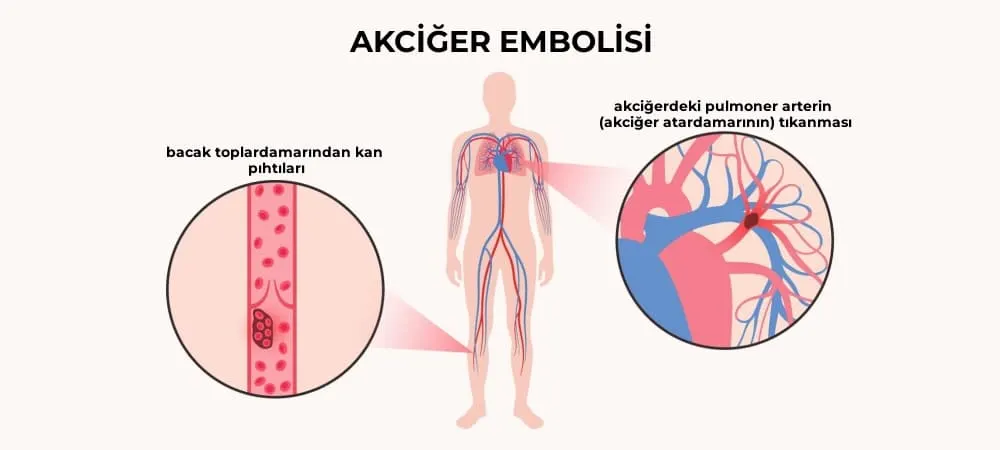
Pulmonary embolism is a cardiovascular emergency characterized by the obstruction of one or more pulmonary arteries by a blood clot. These clots, also known as emboli, usually form in the deep veins of the legs or pelvis. This condition is called deep vein thrombosis (DVT). When a piece of this clot breaks off and travels through the bloodstream, it can lodge in the pulmonary arteries and block blood flow to the lungs. The severity of a pulmonary embolism can vary greatly depending on the size of the embolus and the degree of obstruction. Small emboli may cause minimal symptoms and go unnoticed, but larger ones can be immediately life-threatening.
In severe cases, a large embolus can cause a sudden increase in pressure on the right side of the heart, leading to a condition known as acute cor pulmonale. This sudden strain on the heart can cause rapid cardiovascular collapse and, in some cases, sudden death. Pulmonary embolism is not a rare condition. It is estimated to affect hundreds of thousands of people in the United States each year and is the third most common cause of cardiovascular death after heart attack and stroke.
How Does Pulmonary Embolism Occur?
The process leading to pulmonary embolism begins with the formation of a blood clot in the deep veins, most often in the legs. This initial clot formation is influenced by three main factors known as Virchow's triad. These are hypercoagulability (increased tendency of blood to clot), stasis (slowing of blood flow), and endothelial injury (damage to blood vessel walls). Causes of pulmonary embolism that may contribute to the development of these clots include:
Prolonged immobility: Periods of prolonged immobility, such as long bed rest or post-surgery, can cause blood to pool in the legs and increase the risk of clot formation.
Surgery and trauma: Major surgeries, especially orthopedic procedures and significant injuries, can trigger the body's clotting mechanisms, increasing the risk of DVT and subsequent pulmonary embolism.
Hormonal changes: Pregnancy, the use of oral contraceptives, and hormone replacement therapy can increase the tendency for blood to clot.
Medical conditions: Certain diseases such as cancer, heart failure, and inflammatory bowel disease are associated with an increased risk of blood clot formation.
Genetic factors: Certain hereditary disorders, such as Factor V deficiency or Leiden mutation, can predispose individuals to abnormal blood clotting.
Obesity: Excess body weight can put additional pressure on the veins of the legs and pelvis, slowing blood flow and increasing the risk of clot formation.
Once a clot forms in the deep veins, it can break off and travel through the venous system. The clot passes through the right side of the heart and enters the pulmonary arteries, where it can lodge and block blood flow to a portion of the lung. This obstruction not only affects the oxygenation of the blood but also increases the workload on the right side of the heart, as the heart must pump blood against the increased resistance in the pulmonary circulation.
What Are the Symptoms of Pulmonary Embolism?
Recognizing the symptoms of pulmonary embolism is crucial for early diagnosis and treatment. However, symptoms may not be specific and can mimic other cardiopulmonary conditions, making diagnosis difficult. The most common symptoms of pulmonary embolism are:
Sudden shortness of breath: This is usually the first and most prominent symptom, especially if it occurs without any obvious cause, it points to pulmonary embolism.
Chest pain: This pain is sharp and may worsen with deep breathing or coughing. It can sometimes be mistaken for a heart attack.
Rapid heart rate: The heart may beat faster than normal as it tries to compensate for the decreased amount of oxygen.
Cough: Some patients may develop a cough and sometimes produce bloody sputum.
Dizziness or lightheadedness: This can occur due to low oxygen levels in the blood.
Sweating: Excessive sweating may occur, often accompanied by a feeling of anxiety.
Leg pain or swelling: If the pulmonary embolism originated from a DVT, there may be pain, swelling, or redness in one leg.
Bluish discoloration of the lips or extremities: In severe cases, cyanosis may be seen due to lack of oxygen.
The severity of these symptoms can vary greatly depending on the size of the embolus, the amount of lung tissue affected, and the patient's underlying lung and heart health. In some cases, especially with smaller emboli, symptoms may be mild and develop gradually. In contrast, massive pulmonary embolism can cause sudden and severe symptoms, loss of consciousness, and cardiac arrest.
How Is Pulmonary Embolism Diagnosed?
The diagnosis of pulmonary embolism can be challenging due to the non-specific nature of its symptoms. Rapid and accurate diagnosis is essential to initiate appropriate treatment and prevent complications. The diagnostic process involves a combination of clinical evaluation, laboratory tests, and imaging studies:
Clinical evaluation: The initial assessment begins with a comprehensive medical history and physical examination. The physician will ask about symptoms, risk factors for blood clots, and any recent events, such as surgery, that might increase the likelihood of pulmonary embolism.
D-dimer Blood Test: This test measures a protein fragment found in the blood after a clot is broken down. A negative D-dimer can help rule out PE in low-risk patients. However, D-dimer can also be elevated in various other conditions, so additional tests are required for confirmation.
Computed Tomography Pulmonary Angiography (CTPA): This is the standard diagnostic tool for diagnosing PE. It provides detailed images of the pulmonary arteries and can detect even small clots.
Ventilation-Perfusion (V/Q) Scan: This nuclear medicine test compares airflow and blood flow in the lungs and is particularly useful in patients who cannot undergo CTPA.
Ultrasound of the legs: Although it does not directly diagnose pulmonary embolism, it can detect DVT, which is the source of pulmonary emboli.
Electrocardiogram (ECG) and chest X-ray: These tests may be performed to rule out other conditions that can mimic pulmonary embolism, such as heart attack or pneumonia.
Echocardiography: In severe cases, an ultrasound of the heart can indicate the presence of pulmonary embolism by showing pressure on the right side of the heart.
How Is Pulmonary Embolism Treated?
Pulmonary embolism treatment aims to prevent the growth of the existing clot, prevent the formation of new clots, and reduce the risk of long-term complications. The pulmonary embolism treatment process depends on the severity of the embolus and the patient's overall health status. The primary treatment approach is the use of medications that prevent blood clots, namely anticoagulants (blood thinners). These drugs prevent the formation of new clots and prevent existing clots from growing. In severe cases, thrombolytic therapy (powerful clot-dissolving drugs) may be required to rapidly dissolve large clots.
In life-threatening situations, pulmonary embolism surgery, such as catheter-directed thrombolysis or embolectomy, may be performed. This is the surgical removal of the clot and is usually reserved for the most severe, life-threatening cases. Long-term management includes lifestyle changes such as maintaining a healthy weight, engaging in regular physical activity, and avoiding prolonged immobility.
Frequently Asked Questions About Pulmonary Embolism (PE)
Pulmonary embolism can be life-threatening if left untreated. Its severity depends on the size and number of clots blocking blood flow in the lungs. While some cases can be fatal, rapid diagnosis and treatment significantly improve outcomes. Modern medical interventions have greatly reduced mortality rates, but it is crucial to seek immediate medical attention if pulmonary embolism is suspected. There are various factors that can increase your risk of developing pulmonary embolism. These include prolonged immobility, recent surgery, pregnancy, use of hormonal birth control pills, smoking, obesity, and certain medical conditions such as cancer or heart disease. A history of deep vein thrombosis also increases the risk. Being aware of these factors can help with prevention and early diagnosis. Patients diagnosed with pulmonary embolism should monitor their symptoms closely and adhere strictly to their treatment plans. It is necessary to be alert for worsening symptoms such as shortness of breath, chest pain, or coughing up blood. Taking prescribed blood-thinning medications as recommended and regular follow-ups with the doctor are very important. It is necessary to pay attention to activity levels and increase them gradually as recommended by the doctor. Drinking plenty of water and avoiding prolonged immobility are also of great importance. Clearing a pulmonary embolism usually involves anticoagulation therapy (blood thinners). This prevents the clot from growing and allows the body's natural processes to dissolve the clot over time. In severe cases, thrombolytic drugs may be used to break up the clot faster. Rarely, surgical intervention may be required. The specific treatment approach depends on the severity of the pulmonary embolism and the patient's overall health. Although ECG findings can vary in pulmonary embolism, the most common pattern is sinus tachycardia (fast heart rate). Other potential findings include T-wave inversions in precordial leads (especially V1-V4), right bundle branch block, and the classic S1Q3T3 pattern (deep S wave in lead I, Q wave in lead III, and inverted T wave). The initial diagnosis and treatment of pulmonary embolism usually take place in the emergency department. Following this, care is typically managed by a pulmonologist (lung specialist) or a hematologist (blood disease specialist). Cardiologists may also be involved if there are heart-related complications. Your family physician will coordinate your general care and follow-up. In some cases, you may be referred to a thrombosis clinic specializing in blood clotting disorders. The length of hospital stay for pulmonary embolism varies depending on the severity of the condition and the patient's response to treatment. While mild cases may require only a few days of hospitalization, more severe cases may require a stay of 1-2 weeks or longer. Some patients who are stable and have good support at home may receive outpatient treatment. The focus is on stabilizing the patient, initiating appropriate treatment, and ensuring they can continue to recover safely at home. After having a pulmonary embolism, it is very important to be vigilant about preventing future episodes. This includes taking prescribed medications, which are anticoagulants, as recommended and attending all follow-up appointments. It is necessary to be alert for the recurrence of symptoms such as shortness of breath, chest pain, or leg swelling. Maintaining a healthy lifestyle by staying active, managing your weight, and avoiding smoking reduces the risk. If you are planning long trips, you can discuss preventive measures with your doctor. Also, before any surgical procedure, it is important to inform healthcare workers about your history of pulmonary embolism.
If you are experiencing symptoms of pulmonary embolism or think you may be at risk, you can make an appointment with our specialist physicians without delay.
Hisar Hospital Intercontinental Chest Diseases Specialists are with you in the early diagnosis and treatment of pulmonary embolism. Make an Appointment Now
Start with the right assessment for What is Pulmonary Embolism? Symptoms, Causes, and Treatment
Share your symptoms with our specialist physicians; let us determine the right diagnosis and treatment plan together.
Warning
If your symptoms started suddenly, are progressing rapidly, or significantly restrict your daily life, consult a physician without delay.
Plan your What is Pulmonary Embolism? Symptoms, Causes, and Treatment journey with our specialists.
Fill in the form or book an appointment to learn about treatment options, the process and preparation.