Robotic gastric cancer surgery is a minimally invasive and closed surgical procedure performed using the Da Vinci Robotic Surgery system. Because small incisions are made in this method, the risk of bleeding and complications is low, and you may return to your daily life more quickly.
The most advanced answer to the question of how gastric cancer surgery is performed is robotic surgery. In this procedure, the operation is carried out by an expert surgeon from a console using a high-resolution, three-dimensional camera. In this way, the doctor’s ability to see and move is at the maximum level in the surgical treatment of gastric cancer. In critical operations such as gastric removal surgery, the risk of error due to hand tremor or fatigue is minimized. As a result, you experience less pain after surgery and your wounds heal faster.
What Is Robotic Gastric Resection?
Robotic gastric resection is an advanced surgical procedure performed using robotic systems to remove part or all of the stomach. In this method, the surgeon does not stand at the patient’s side but operates the robotic arms while seated at a console in the operating room. This procedure, performed through small incisions, provides significant advantages for patients.
When is gastric resection necessary?
Gastric resection is used in the treatment of various health problems. First of all, it is one of the most effective methods in the treatment of gastric cancer. In addition, it may also be necessary in the following situations:
• Life-threatening advanced obesity
• Stomach ulcers (peptic ulcers)
• Non-cancerous tumors
• Esophageal cancer
• Stomach bleeding
• Inflammation in the stomach
• Stomach polyps
Robotic gastric resection can be partial or total depending on the patient’s condition. In partial resection, a portion of the stomach is removed, while in total resection, the entire stomach is removed. The location and stage of the tumor help determine the type of surgery recommended for you.
Differences between robotic surgery and the classic method
Robotic surgery offers many advantages over classic open surgery and laparoscopic surgery:
The robotic surgery system has robotic arms that can rotate 540 degrees, which are not found in traditional laparoscopic surgery. By contrast, the range of motion in laparoscopic surgery is limited. The camera used in robotic surgery provides 10–12 times magnification, while in laparoscopic surgery this ratio is only 2–3 times. In addition, robotic surgery provides a three-dimensional image.
While a large incision of 20–30 cm is made in the abdominal area in open surgery, only 4 or 5 holes of 8 mm are made in robotic surgery. This means less pain after surgery, faster recovery, and better aesthetic results.
Because the surgeon performs the operation while seated at the console, errors due to hand tremor or fatigue are minimized. This is especially important in complex gastric cancer surgeries.
Its place in the surgical treatment of gastric cancer
Robotic gastric resection has an important place in the treatment of gastric cancer. Gastric cancer is one of the most common causes of cancer-related deaths in the world. A cure for gastric cancer is possible only through curative surgical resection.
The robotic surgery system offers the possibility of performing the removal of gastric tumors (gastrectomy) in a more precise and safer way. Especially in cases where the lymph nodes around the stomach need to be completely cleared in accordance with oncological principles (lymph dissection), the robot’s three-dimensional view and precise arms provide great advantages to the surgeon.
Meta-analyses have shown that robotic gastrectomy reduces blood loss during surgery and shortens hospital stay compared with open surgery. At the same time, robotic surgery also provides an adequate lymph node dissection from an oncological perspective.
If you are wondering how long gastric cancer surgery takes, open gastrectomy may take 4 to 5 hours, while this period is generally shorter with the robotic method. However, it should also be noted that the duration of robotic surgery is generally longer than standard laparoscopic and open procedures.
How is robotic gastric resection performed?
Robotic gastric resection is a careful process consisting of a series of steps planned carefully by the surgical team. The operation includes many critical stages, from individualized preparation to postoperative care.
Preoperative preparation process
Before the operation, a detailed evaluation is performed. The type of disease, the scope of the surgery, and your general health condition are reviewed and the suitability of robotic surgery is determined. Your body is assessed with laboratory tests and imaging methods. Your nutritional status is reviewed and supplement products are recommended if necessary. If there is iron deficiency, iron infusion may be given. In case of anemia, your blood values are brought back to normal just before surgery. In addition, before surgery, it is important to wear compression stockings and administer antibiotic treatment.
Setting up the robotic system
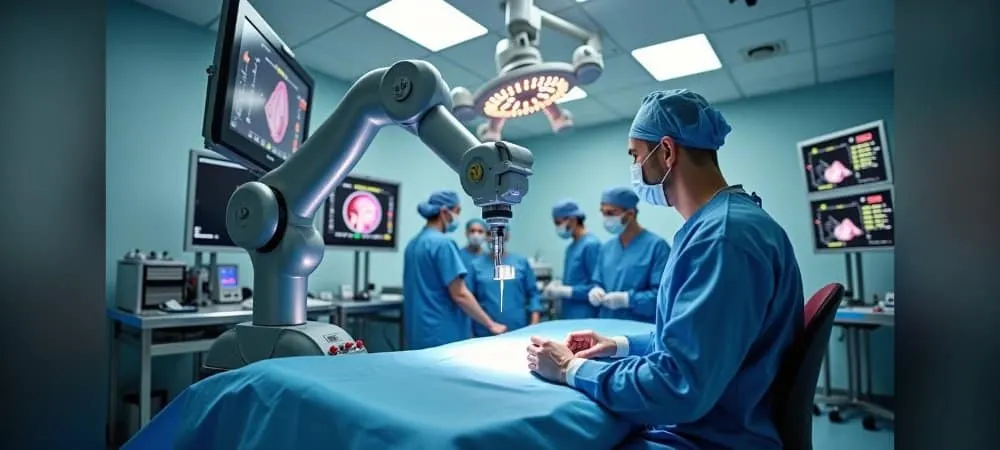
When you are taken into the operating room, general anesthesia is first applied. Several small incisions of 0.5–1.5 cm are made in the abdominal area. Through these incisions, the high-resolution camera and robotic surgical instruments are inserted. The Da Vinci Robotic Surgery System is generally used in robotic gastric resection. The system consists of the following components:
• The control console where the surgeon sits
• Three-dimensional and high-resolution camera system
• Robotic arms and surgical instruments
• Imaging monitors
The robotic arms are connected to the entry points called ports placed in your abdominal area and directed to the surgical field.
Surgeon control from the console
The surgeon does not perform the operation directly at the patient’s side but manages it from the console. Sitting at the console, the surgeon controls the robotic arms with hand and finger movements. Thanks to the system, these movements are transferred to the surgical field without tremor and with high precision. The surgeon’s movements are replicated exactly by the robotic arms and applied with millimetric accuracy.
The camera system can magnify the surgical field up to ten times and show it in three dimensions. This allows the surgeon to see details that the normal human eye cannot see. Robotic arms with 360-degree mobility can move without error even in narrow spaces.
Removal of stomach tissue
In gastric cancer surgery, part or all of the stomach may be removed depending on the location of the cancerous tissue. The surgeon carefully separates the cancerous part while preserving healthy tissue through the robotic arms. The portion of the stomach to be removed is marked and separated from the remaining tissue using special robotic instruments.
If you are wondering how many hours gastric cancer surgery takes, this period varies depending on the patient’s condition, the location of the tumor, and the scope of the surgery. While an early-stage tumor surgery in a weak patient may be completed in 2 hours, in more complex cases it may take up to 5–6 hours.
Initial interventions after surgery
After the operation is completed, the robotic system and camera are removed, and the small incisions are closed. You are then taken to monitoring so that you can come out of anesthesia. Pain control is ensured and you are closely monitored for possible complications.
The recovery process after robotic surgery is more comfortable than after open surgery. Usually, you may start walking 6–8 hours after surgery. In the first days, you begin with a liquid diet and then gradually move on to soft foods. Your hospital stay is around 5–7 days, and after discharge your return to daily life is faster.
Advantages of robotic gastric resection
Robotic gastric surgery offers many important benefits compared with traditional methods. Thanks to small incisions and precise robotic arms, patients’ postoperative quality of life increases significantly. These advantages help achieve better results in the treatment of gastric cancer.
Smaller incisions and less pain
In robotic gastric resection, instead of the 20–30 cm incisions made in open surgery, only a few small incisions of 0.5–1.5 cm are made. These small incisions significantly reduce postoperative pain. Because damage to nerve tissue is minimized, the need for painkillers after surgery is also greatly reduced.
Especially obese patients with a thick abdominal wall feel less discomfort because the pressure of the instruments on the abdominal wall is minimized in robotic surgery. Accordingly, patients can get up a few hours after surgery and return to their daily lives more quickly.
Fast recovery process
Following robotic gastric resection, patients can usually start walking within a short time of 6–8 hours. This is a much faster recovery process compared with conventional open surgery. Because the incisions are small, less trauma is caused to internal organs and the healing process is accelerated.
Thanks to the minimally invasive approach, hospital stay is shorter and you can return to your daily activities sooner. While long hospital stays are required after open surgery, this period is significantly reduced with robotic surgery.
More precise control for the surgeon
Robotic systems convert the surgeon’s hand movements into much smaller and more precise movements. The robotic arms have the ability to move 360 degrees. In addition, the robotic arms eliminate human hand tremor and allow procedures to be performed with millimetric accuracy.
The images transferred from the camera to the monitor are three-dimensional, high-resolution, and magnified up to ten times. This technology gives the surgeon a much better field of view than the normal human eye and allows a clearer view of the delicate structures around the stomach.
Lower risk of complications
While complication rates after surgeries for gastric cancer were seen in one out of four patients in the past, today this rate has decreased to 2–5%. Robotic gastric surgery helps reduce this rate even further.
The advantages provided by robotic surgery include:
• Minimal bleeding (thanks to millimetric vessel sealing technology)
• Low risk of infection (thanks to small incisions)
• Minimization of leakage risk
• Reduction in complications such as pancreatic fistula
Better aesthetic results
Because the surgical scars are very small in robotic surgery, almost no scar remains after healing. Unlike the large incision scars left by open surgery, much better aesthetic results are achieved with robotic surgery.
Thanks to the small incisions after surgery, the healing process is faster and the scar is less visible. This especially reduces concerns about body image in younger patients.
Postoperative process and possible risks
The recovery process after robotic gastric resection is faster and more comfortable than with traditional methods. Knowing the process you will experience after surgery and the points you need to pay attention to helps you recover your health more quickly.
Length of hospital stay
Your hospital stay after robotic gastric resection is usually between 4 and 7 days. By contrast, this period may be twice as long in open surgery. Because the robotic system causes less trauma to your body, you can return to daily life more quickly. It may be possible to return to your daily life and desk work within 2–3 weeks after surgery. After open stomach surgery, this period may be 7–10 days.
Wound care and nutritional recommendations
Because the incisions are small in robotic surgery, the need for dressing is very limited. Especially in the first days, it is important to keep your wounds clean and dry. Cosmetic stitches are usually removed with a simple procedure on day 10 or may dissolve on their own.
A gradual transition is made in nutrition:
• You are allowed to drink water on the 2nd or 3rd day after surgery
• Then you move on to soup and soft foods
• Eating “small amounts and frequently” should become a rule
After surgery, you should avoid heavy, fatty, and gas-producing foods until your bowel movements return to normal. Portion control and meal regularity are especially important after robotic surgeries performed on the stomach.
Is there a risk of complications?
The risk of complications in robotic surgery is significantly lower than in open surgery. However, as with any surgery, some risks exist. Mild pain, weakness, and gas complaints in the first 24–48 hours are considered normal. Rare complications may include:
• Side effects related to anesthesia
• Low-probability bleeding
• Infection at the incision sites
• Temporary shoulder or abdominal pain due to gas introduced into the abdomen
Because it is performed using a closed surgical technique, the risk of incisional hernia and infection is also quite low.
Follow-up appointments and monitoring
Your first follow-up appointment is scheduled one week after surgery. Not missing these check-ups is vital for your recovery process. You need to use the blood-thinning injections and stomach-protective medications recommended by your doctor regularly.
In addition, if part or all of your stomach has been removed, calcium malabsorption and anemia may occur in the long term. Therefore, you may need vitamin D, calcium, and vitamin B12 supplements. Your doctor may especially recommend lifelong vitamin B12 supplementation.
Robotic gastric resection prices and factors affecting them
When considering robotic gastric resection, it is important to understand the cost factors. The price of this advanced surgical technique varies depending on many factors. Understanding them helps you plan your budget and make the right treatment decisions.
Cost of the robotic system
The purchase cost of robotic surgery systems is quite high. Especially the widely used Da Vinci robot costs between 1 and 2 million euros depending on the model. However, purchasing the robot is not a one-time cost. The annual maintenance fee also creates an additional cost and must be reflected in the price per case.
Not only the robot, but also the consumables used in the surgery create additional expenses. The cost of the materials used in each operation and the sterilization expenses are also added to the total price. For this reason, robotic gastric resection is more expensive than traditional open surgery.
The surgeon’s level of expertise
The number of surgeons specialized in robotic surgery is limited and requires special training. Prices are usually slightly higher in centers with experienced surgeons. The average training period for surgeons on the robotic system is 9.6 days, and these training costs are indirectly reflected in the surgical fees.
The hospital’s technical equipment
Robotic surgery systems are generally found in large private hospitals or university hospitals. The hospital’s technological infrastructure, operating room equipment, and other technical capabilities are also factors that affect prices. In addition, the length of hospital stay, the need for intensive care, and the type of room (single room, suite) may increase the cost.
The city where the surgery is performed
Fees for robotic gastric resection vary by city. Prices are generally higher in hospitals in large cities. This difference is due to hospital operating costs, specialist physician fees, and competitive conditions.
Price difference compared with gastric removal surgery
There is a significant price difference between traditional gastric removal surgery and robotic gastric resection. The higher cost of robotic surgery compared with standard surgery is due to the technology and special materials used. Prices vary depending on the hospital, the type of surgery, and its duration.
The extent to which SSI covers robotic surgery procedures also varies. In general, SSI covers part of the basic procedure, but an additional fee may be charged for the use of the robot. Therefore, patients considering gastric cancer surgery should contact hospitals in advance to obtain cost information.
In summary: robotic gastric resection
In conclusion, robotic gastric resection offers many advantages for patients compared with traditional surgical methods. Thanks to small incisions, pain is less, the recovery process is faster, and the return to daily life is easier.
The surgeon’s tremor-free and precise control, three-dimensional images magnified up to 10 times, and robotic arms that can rotate 360 degrees have made complex stomach surgeries safer. This technology provides effective results especially in the treatment of gastric cancer.
Although the cost of the robotic system is high, it is seen as a valuable option when its benefits are considered. Shorter hospital stays, reduced risk of complications, and the need for less medication after surgery are important advantages.
If you are considering robotic stomach surgery, it is important to choose an experienced surgeon and a hospital with good technical equipment. It is also wise to get information about costs in advance and learn about insurance coverage.
Thanks to the progress of technology in medicine, procedures such as robotic gastric resection have made surgeries more comfortable and safer. If you are going to have stomach surgery, the robotic surgery option may offer you faster recovery and a better quality of life.
Frequently Asked Questions
Is it really the robot that performs the surgery?
No. The surgery is managed from start to finish by the specialist surgeon. The surgeon sits at the console and controls the robotic arms. The robotic system works only as an extension of the surgeon’s hand.
How long does robotic stomach surgery take?
It is usually completed within 1–2 hours, but in complex cases it may take up to 5–6 hours.
How long is the recovery process?
The hospital stay is usually 4–7 days. Most patients can return to their daily lives and desk work within 2–3 weeks.
Does robotic surgery have an advantage in cancer treatment?
Yes. When performed by experienced surgeons, the oncological results of robotic surgery (number of lymph nodes removed, cleanliness of surgical margins) are the same as open surgery. Thanks to the magnified 3D image, cleaner surgery can sometimes be achieved.
Will there be pain after surgery?
Because robotic surgeries are less invasive, the patient feels much less pain. The pain experienced can also be easily controlled with painkillers.
Robotic gastric resection is used in the treatment of gastric cancer with a minimally invasive method. It offers advantages such as small incisions, fast recovery, and less pain.