Anal Botox is an effective method for treating anal fissures, which are described as causing severe pain similar to glass cuts. This pain can make your daily life difficult and can become chronic if it lasts longer than two months.
Anal fissure Botox treatment offers a solution that accelerates healing by reducing muscle spasms in the anal region. Anal fissure Botox application works by temporarily paralyzing the muscles, thereby increasing blood flow to the area and supporting the natural healing process. It is recommended as an option, especially in chronic cases that do not respond to other treatments for at least 8 weeks.
The procedure is quite fast and takes approximately 5 minutes. Furthermore, it is performed under light anesthesia in the operating room and serves as an alternative to surgery as a minimally invasive treatment method.
What is an anal fissure and why does it occur?
An anal fissure is a condition that can seriously affect daily life and become chronic if left untreated. In this section, we will examine in detail what an anal fissure is, its symptoms, and how it becomes chronic.
Definition of an anal fissure
An anal fissure is a tear or crack that occurs in the skin and mucosa of the anal region. These fissures usually form in the area called the anoderm, which is the most sensitive and weakest part of the anus. They are mostly seen in the posterior midline of the anus, and their length and depth can vary from person to person.
Although an anal fissure may appear simple, it can be extremely painful due to the nerve-rich structure of the region. It can be uncomfortable enough to prevent a person from living a healthy life and, if left untreated, can lead to withdrawal from social life.
Common symptoms and type of pain
The most prominent feature of an anal fissure is the severe pain felt during defecation. Patients often describe this pain as being like a "glass cut." The pain begins during defecation and can continue for hours afterward. This intense discomfort leads the person to avoid going to the toilet.
Other common symptoms of an anal fissure include:
Burning and stinging sensation in the anus after defecation
Seeing bright red blood on toilet paper or in the stool
Itching and irritation around the anus
A visible crack or tear
Fear of defecation and changes in toilet habits
The pain causes the person to fear going to the toilet. This fear leads to increased constipation, creating a vicious cycle: pain → avoidance of the toilet → constipation → more pain.
The process of becoming chronic and risk factors
Anal fissures are divided into acute and chronic. Acute fissures are newly formed superficial cracks and usually heal on their own within a few weeks. However, fissures that last longer than six weeks are considered chronic.
Chronic anal fissures can be deeper and have harder edges due to insufficient blood flow during the healing process or scar tissue formation in the surrounding area. In this case, muscle fibers become visible and the risk of infection increases.
The main risk factors contributing to the formation of an anal fissure:
Constipation and hard stool are the most common causes. As hard stool passes through the anus, it stretches the sensitive tissues and leads to tears. Insufficient fiber consumption, low water intake, and low physical activity can cause constipation.
However, chronic diarrhea can also cause irritation and fissures due to frequent cleaning of the anal region. Increased pressure on the anal region during pregnancy and childbirth can increase the risk of fissures in women.
Decreased tissue elasticity and blood flow during the aging process are also factors that increase the risk of anal fissure formation. Additionally, inflammatory bowel diseases such as Crohn's disease and ulcerative colitis can also pave the way for anal fissures.
What is anal Botox and how does it work?
Botox, which has been used in the medical world for many years, stands out as an effective alternative in the treatment of anal fissures. Botox offers a non-surgical solution that accelerates the healing process of the anal fissure and significantly reduces pain.
Definition of botulinum toxin
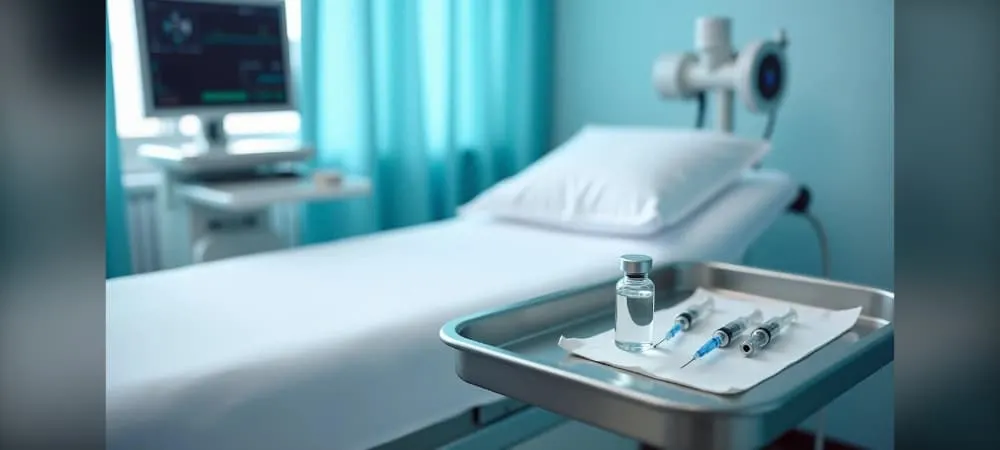
Botulinum toxin, known as Botox, is a purified protein produced by a bacterium called Clostridium botulinum. Although primarily known for aesthetic purposes, it is widely used in medicine for the treatment of muscle spasms. This toxin acts by creating temporary paralysis in the muscles and, specifically in the treatment of anal fissures, allows the internal sphincter muscle to relax.
Applied in very low and precise doses, botulinum toxin temporarily blocks the nerve signals that cause muscles to contract. Thus, it contributes to the healing process of the anal fissure by reducing excessive tension in the muscles.
Effect on muscle spasm and blood flow
Anal Botox application is performed directly into the internal anal sphincter muscle. This muscle contracts abnormally and goes into spasm in anal fissure patients. Botox injection allows this muscle to relax, achieving two important effects:
It breaks the pain cycle immediately, providing relief from symptoms
It significantly increases blood flow to the area where the fissure is located
Botulinum toxin blocks sympathetic nerve function and the tone of the internal anal sphincter. As a result, the high tone of the sphincter decreases and tissue perfusion (blood flow) in the region increases. The effect of Botox lasts 3-6 months, and this period is usually sufficient for the anal fissure to heal completely.
How does an anal fissure heal with Botox?
Anal fissure Botox treatment aims to break the pain-muscle spasm vicious cycle. The treatment process proceeds as follows:
Botulinum toxin is injected on both sides of the fissure and temporarily relaxes the muscles. Thanks to this relaxation:
Blood flow in the region improves
Symptoms such as pain and muscle spasms decrease
A suitable environment is created for the fissure to heal naturally
Patients usually feel significant relief within a few days after the Botox injection. With the reduction of pain, the fear of going to the toilet disappears, and the fissure can heal completely within an average of 4-8 weeks.
The effectiveness of Botox treatment has been reported in studies at rates ranging from 38% to 96%. In their study, Radwan and colleagues found an 89% success rate. Furthermore, research has shown that Botox injection has higher healing rates compared to other topical treatments.
In conclusion, anal Botox application offers an effective solution in the treatment of anal fissures without the need for surgery. It is accepted as a good alternative treatment method, especially in acute anal fissure cases and in patients with high surgical risk.
Who is Botox treatment suitable for?
If you are experiencing an anal fissure problem and are researching treatment options, you may be wondering if anal Botox application is suitable for you. This method is not recommended for everyone, but for specific patient groups.
Acute and chronic anal fissure cases
Anal fissures are divided into acute and chronic according to their duration of formation. Botox treatment can be effective in both groups, but its effectiveness varies depending on the patient's condition:
In acute anal fissure cases, Botox treatment provides very effective results. Especially in cases where no healing is observed despite the correct use of creams and suppositories, Botox application can help achieve complete healing. Botox applied during this period accelerates the healing process by resolving muscle spasms.
However, in cases where the disease has become chronic, the success rate of Botox may be relatively lower. In the chronic period, Botox relaxes the muscles and reduces pain, but its positive effect on the healing process may be more limited compared to the acute period.
Patients who do not respond to drug therapy
Anal Botox treatment is an important option, especially for patients who do not benefit from other treatment methods:
Adults and children with chronic anal fissures who do not heal despite at least 8 weeks of topical treatment
Cases where no response is obtained from ointments containing GTN (glyceryl trinitrate) and diltiazem
Patients who do not heal despite a high-fiber diet and stool softeners
Situations where healing cannot be achieved despite cream and suppository treatments
In these cases, Botox treatment is recommended as an alternative to surgery. The success rate of anal fissure healing after treatment is between 70-90%. Sometimes the injection may need to be repeated, and in this case, the success rate is approximately 50%.
Individuals who want to avoid surgery
Botox application is an ideal solution for individuals who avoid surgery or have a high surgical risk:
For patients who are afraid of surgery or do not want to receive anesthesia, the Botox procedure offers a comfortable option. Additionally, if the patient has a very high surgical risk, Botox is an excellent alternative treatment.
Lateral internal sphincterotomy (LIS) is a common surgical method for chronic anal fissures and requires hospitalization, anesthesia, and subsequent rest. Also, complications can develop if not performed with the appropriate technique. For these reasons, it is recommended to first try the non-surgical method, Botox.
One of the most important advantages of Botox treatment is that the treatment can be easily repeated even if the disease recurs. The treatment of recurrences that develop after surgery is more difficult and troublesome. Botox application is a procedure performed in a short time (approximately two minutes) under outpatient clinic conditions, allowing the patient to return to their normal life immediately.
How is anal Botox applied?
Anal Botox application is a simpler and faster procedure than you might think. This procedure, which is an effective way to cope with the painful anal fissure problem, stands out as a minimally invasive procedure.
Preparation before the procedure
First of all, no special preparation is required for anal Botox treatment. It will be sufficient to stay hungry for up to 2 hours before the procedure. You do not need to perform bowel cleansing or follow a special diet. Taking a shower at home or your standard hygiene cleaning is the only preparation you need to do before the procedure.
Choosing comfortable clothes when going to the hospital and taking an escort with you will be beneficial for your comfort after the procedure.
Application process and injection points
Botox application is performed by a surgeon under clinical conditions and takes only 5-10 minutes. Usually, 100 units of botulinum toxin are used in the procedure, and this amount is distributed as follows:
20 units to each quadrant of the internal anal sphincter muscle (80 units total)
20 units directly into the fissure lines
Two small injections to the front and back areas of the anal opening
A total of 6 local Botox injections are applied. These injections are made specifically to the areas with maximum friction that need relaxation.
Use of sedation and local anesthesia
Due to the sensitivity of the region, the procedure is usually performed under light anesthesia called sedation. This approach ensures you are comfortable during the procedure. In some cases, the procedure can also be performed under outpatient conditions using only local anesthetic creams.
The surgeon may inject some local anesthetic in addition to Botox to minimize post-procedure discomfort. The procedure itself may be uncomfortable, but since it takes a very short time, it is generally tolerable.
Recovery process and points to consider
You can return home on the same day after the procedure and usually return to your normal life and work the next day. The effect of Botox begins within 72 hours and lasts for 3-6 months. This period is usually sufficient for the fissure to heal completely.
Things you should pay attention to after the procedure:
You can use simple painkillers such as paracetamol
You should take care to keep your stool soft
You should consume fibrous foods and drink plenty of water
Warm water sitz baths recommended by your doctor can help with healing
Rare side effects include mild bleeding, infection, temporary loss of gas control, and, much more rarely, fecal incontinence. However, all these possible complications resolve completely after the effect of Botox wears off.
In cases where partial success is achieved within 30 days, meaning complaints have decreased by half, a second session of Botox application may be required.
Advantages and possible side effects
When making your treatment choice, it is important to evaluate the possible risks alongside the benefits. Although anal Botox application has significant advantages over surgical methods, there are some side effects to consider.
Advantages over surgery
Anal fissure Botox treatment offers many positive aspects compared to surgical intervention:
It is a minimally invasive method - no incisions are made and no stitches are placed in the procedure
It is applied without cutting the muscle, which significantly reduces the risk of gas and fecal incontinence
The recovery time is very short, and you can usually return to normal life on the same day
It does not require general anesthesia, which eliminates risks associated with anesthesia
It does not require hospitalization, and you can return to daily activities immediately after the procedure
For patients who are afraid of surgery or do not want to receive anesthesia, anal Botox is an extremely comfortable option. Additionally, treatment success is high; positive results are obtained in 70-90% of patients.
Risk of gas and fecal incontinence
Gas or fecal incontinence, which is the most feared side effect in surgical methods, is much rarer in Botox treatment:
After Botox application, temporary gas incontinence may be seen in approximately 15% of patients, and fecal incontinence in 10%. However, this situation resolves completely when the effect of Botox wears off.
On the other hand, gas-fecal incontinence rates are higher in the surgical sphincterotomy method and can be permanent in some cases. Temporary muscle control weakness in Botox treatment usually resolves within a few weeks.
Possibility of infection and pain
Other side effects that may be seen after anal Botox application are:
Mild pain and tenderness at the injection site
Bleeding or infection in rare cases
Allergic reaction to Botox in very rare cases
Anal itching in 10% of patients
Hemorrhoid clotting at a rate of 5%
Post-procedure pain is usually very mild and passes in a short time. Simple painkillers such as paracetamol are sufficient during this period.
Temporariness of side effects
One of the most important features of anal Botox treatment is that all side effects are temporary. The effect of Botox lasts 3-6 months, and since the fissure heals within this period, permanent results are usually obtained.
Since its effect is temporary, there is no possibility of causing permanent damage to the patient. For this reason, Botox application is a safe treatment method with high patient satisfaction.
However, if the disease recurs in the future, the most important advantage of Botox is that it can be reapplied without additional burden. The treatment of recurrences that develop after surgery can often be more difficult and troublesome.
In summary, Anal Botox
In conclusion, anal Botox treatment offers an effective option for coping with severe pain caused by anal fissure problems. It stands out as a promising alternative, especially in patients who do not respond to drug therapy. By temporarily relaxing the muscles, it increases blood flow to the area and accelerates the natural healing process.
Compared to surgical methods, Botox application carries much less risk. This procedure, which is performed without incisions and without stitches, rarely leads to disturbing side effects such as gas and fecal incontinence. Additionally, being able to return to normal life on the same day is one of the biggest advantages of this treatment.
It is also quite remarkable that the treatment has a success rate between 70-90%. However, the effect of Botox lasts 3-6 months, and this period is usually sufficient for the fissure to heal completely. If you have the problem again, the procedure can be easily repeated.
Anal Botox application has become preferred by many patients due to its fast recovery process and low risk of complications. However, as with any treatment method, this treatment may not be suitable for everyone. Therefore, if you have complaints of an anal fissure, it is important to first consult a specialist and determine the most suitable treatment option for you.
Remember, choosing the right treatment method and complying with post-treatment recommendations will accelerate your healing process and increase your quality of life. Simple habits such as consuming fibrous foods, drinking plenty of water, and going to the toilet regularly will also contribute to your healing process. Thus, you can achieve a painless and healthy life in a short time.
Frequently Asked Questions
Is anal Botox a permanent solution?
Yes, permanent results are usually obtained. Although the effect of Botox is temporary (3-6 months), since the fissure heals within this period, a permanent solution is provided in most patients. Longer-term permanence can be achieved with regular Botox application.
Is there pain after the procedure?
No, there is usually no significant pain. The procedure is performed under local anesthesia. If mild discomfort is felt afterward, simple painkillers such as paracetamol are sufficient. It passes completely within a few days.
How long does the Botox effect last?
The effect of Botox begins within 72 hours and reaches its maximum level on the 7th day. It lasts for an average of 3-6 months. This period is sufficient for the fissure to heal. In some patients, the effect can extend up to 9 months.
What should I pay attention to after Botox?
Ensure your stool remains soft. Consume fibrous foods, drink plenty of water. Avoid constipation. Take warm sitz baths recommended by your doctor. Avoid lifting heavy objects and straining in the first few days.
Is Botox also applied for hemorrhoids?
Yes, Botox can also be used in the treatment of hemorrhoids. However, it is mostly preferred in the treatment of anal fissures. Each case should be evaluated differently; it is important to consult your doctor.
When can I return to work after anal Botox?
You can return to your work on the same day or the next day. A rest report is usually not required after the procedure. One of the biggest advantages of Botox treatment is that it provides a fast recovery process and a quick return to normal life.
Does the fissure recur after Botox?
There is a risk of recurrence in all anal fissure treatments. If causes such as constipation or diarrhea continue, an anal fissure may form again. However, if it recurs, the Botox application can be performed again.
Anal Botox is an effective method in the treatment of anal fissures. It accelerates healing and relieves pain by reducing muscle spasms. It stands out as an alternative to surgery.