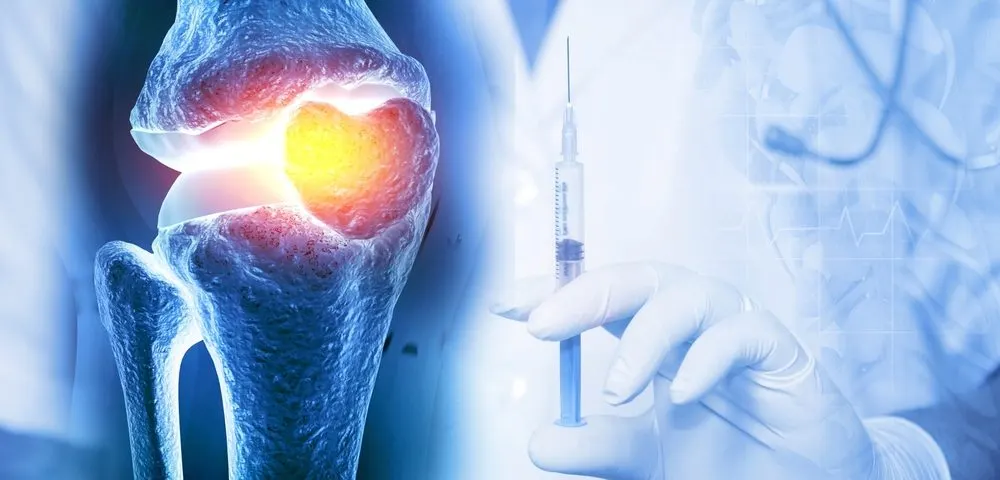
PRP treatment is one of the treatment methods that has recently been frequently used in many fields, especially in jaw and aesthetic surgery. PRP treatment has also begun to be used in the treatment of orthopedic conditions. Orthopedic conditions caused by injury or trauma can negatively affect individuals and reduce their quality of life. However, these conditions can be treated easily with PRP therapy. For answers to questions such as what PRP is and how it is used, you can read on below.
What Is PRP?
PRP, known in Turkish as "Platelet Zengin Plazma" (Platelet-Rich Plasma), is a term. Platelets are cells that play an important role in blood clotting and wound healing. PRP, on the other hand, is a type of plasma obtained from a person's own blood and containing a high concentration of platelets.
PRP treatment is a method commonly used in fields such as orthopedics, dermatology and aesthetic surgery. In this treatment method, the blood taken from the patient is separated from the plasma with the help of a centrifuge device. The platelet-rich plasma obtained is then applied to a specific area or tissue with specially prepared syringes. The growth factors contained in the platelets provide the healing-promoting effect of PRP. Studies on the effectiveness and areas of use of PRP are ongoing. However, as with any treatment, PRP may produce different results in different people. For this reason, it is important to obtain information and recommendations about PRP treatment from a qualified healthcare professional.
How Is PRP Used in Orthopedic Conditions?
PRP treatment is one of the methods frequently preferred in orthopedic conditions. This treatment is applied to accelerate the healing process of damaged tissues and to promote their regeneration. Orthopedic conditions in which PRP treatment is used can be listed as follows:
Chronic Tendinopathies
PRP treatment is a method frequently used in the treatment of tendon diseases such as chronic tendinopathy. Chronic tendinopathy is an inflammatory condition that occurs as a result of prolonged overuse or injury of a tendon. In this condition, symptoms such as pain and restricted movement may generally be seen in the tendons. In patients with chronic tendinopathy, PRP treatment may reduce pain, help correct restricted movement and support healthy healing of the tendon.
Knee Ligament Injuries
PRP treatment is also a method used in conditions such as knee ligament injuries. The knee ligaments are important structures that provide the stability of the knee and control its movements. Knee ligament injuries resulting from trauma or strain may present with symptoms such as pain, swelling, instability and restricted movement. PRP treatment begins primarily with taking a blood sample from the patient. This blood sample is subjected to a special process and the platelets are separated from the plasma. The platelet-rich plasma obtained is then injected into the area of the injured knee ligament. In knee ligament injuries, PRP treatment may accelerate the healing process, promote tissue repair and support functional recovery.
Muscle Injuries
PRP treatment is a method widely used in the treatment of muscle injuries. Muscle injuries are strains or tears that may occur during sports activities or as a result of a sudden movement. Symptoms such as pain, swelling, weakness and restricted movement may be encountered in such muscle injuries. The platelets in PRP treatment contain growth factors and other substances that promote healing. These factors support the repair and remodeling of the injured muscle tissue. In addition, the anti-inflammatory effects of PRP may reduce inflammation and relieve pain. PRP treatment may help restore muscle function by supporting the healing process.
Osteoarthritis (Degenerative Joint Disease)
PRP treatment is a treatment method widely used in patients with osteoarthritis. Osteoarthritis is a condition that develops as a result of the gradual wear of the cartilage found in the joints. This condition may cause joint pain, swelling, stiffness and movement restrictions. The effect of PRP treatment in osteoarthritis occurs through several mechanisms. The growth factors and other healing compounds contained in platelets may accelerate the healing process while repairing the damage in the joint. In addition, the anti-inflammatory effects of PRP may reduce inflammation in the joint and relieve pain. PRP treatment is generally applied as a series of injections. The effectiveness of the treatment may vary depending on the patient's condition, and the number and frequency of treatments. While some patients report that PRP treatment is beneficial in reducing joint pain and improving function, the effects may be less pronounced for others.
Supporting Cartilage Repair
PRP is a treatment option used as a supportive method in the treatment of cartilage problems that occur as a result of injury and tissue damage. Cartilage acts as a protective tissue in the joints and may be damaged by injuries or degenerative diseases. PRP treatment may affect a number of mechanisms used to support cartilage repair. The growth factors secreted by platelets promote the growth and proliferation of cartilage cells. In addition, the healing factors in PRP support the formation of new tissue in the cartilage and may promote cartilage regeneration.
PRP treatment is generally applied by injection into the area of cartilage damage. In this way, the healing factors focus directly on the damaged area and may accelerate the healing process. The use of PRP may reduce pain in patients with cartilage damage, increase mobility and support cartilage repair.
PRP Treatment as an Adjunct During Surgery
PRP may also be an treatment option used as an adjunct during surgery. Surgical procedures may cause tissue damage and blood loss in the body. PRP may be used during surgical intervention to support tissue healing and regeneration. Application of PRP during surgery may accelerate the healing process and promote tissue repair.
There are several potential ways to use PRP in surgical procedures. For example, PRP injection may be performed onto the surgical site. This allows the healing factors to focus directly on the operation area. PRP may also be added to suture materials used for repairing surgical incisions or used together with implants. In this way, PRP may help support postoperative tissue healing.
Using PRP during surgery may reduce the risk of postoperative complications and accelerate the healing process.
Frequently Asked Questions About PRP Treatment
You can find answers to frequently asked questions about PRP treatment further in the text.. No, PRP (Platelet Rich Plasma) is not a drug. PRP is a treatment method. It is obtained by processing a sample taken from a person's own blood and concentrating its platelets. Platelets are cells that play a role in blood clotting and also secrete healing factors. Because PRP is a product obtained from the person's own blood rather than a drug, its use is a natural and autologous approach. Since PRP is a product obtained from a person's own blood, it should not be administered directly to another person. Each individual's blood has personal characteristics, along with genetic and biological differences. The blood sample used in PRP treatment is important because it is obtained from the person's own body fluids and is therefore fully compatible and sterile. Another person's PRP may be incompatible with the factors present in the person's own blood and may pose potential risks. For this reason, it is recommended that the person undergoing PRP treatment use their own blood. After the blood sample is taken, the PRP procedure is carried out under sterile and appropriate conditions and injected into the same person. PRP may be used in the treatment of various orthopedic conditions. Some of the orthopedic disorders that PRP may treat are listed below:
Tendon Injuries: Tendon injuries are frequently seen, especially in areas such as the Achilles tendon, rotator cuff tendons and patellar tendon. PRP may be used to accelerate the healing process of tendon damage and to remodel the tissue.
Joint Arthritis: Joint arthritis is a condition in which the cartilage tissue on the joint surfaces is damaged. PRP may alleviate the symptoms of joint arthritis and improve joint function by promoting cartilage regeneration.
Soft Tissue Injuries: PRP may be used in the treatment of soft tissue injuries such as muscle tears, ligament injuries and burns. It may accelerate the healing of injured tissue and support tissue repair.
Joint Inflammation: In some orthopedic conditions, such as osteoarthritis, joint inflammation may occur. PRP may help reduce this inflammation and relieve pain.
Sports Injuries: PRP may be considered an option, particularly in the treatment of tendon injuries, muscle strains and ligament injuries.
The side effects of PRP treatment are generally temporary. The possible side effects of PRP treatment are listed below:
Temporary Pain at the Injection Site: During PRP treatment, a mild pain or sense of discomfort may occur at the injection site.
Redness and Swelling at the Injection Site: After a PRP injection, short-term redness and swelling may be seen at the injection site. This is generally mild and disappears over time.
Risk of Infection: As with any injection procedure, there is a risk of infection during PRP treatment. For this reason, it is important that the injection is performed under sterile conditions.
Allergic Reactions: In rare cases, allergic reactions may occur in relation to PRP treatment. This risk may increase especially when components to which the person is allergic are used.
Careful management before and after PRP treatment may reduce risks. The physician performing the treatment should evaluate the patient's condition, explain the potential risks and take appropriate precautions. In every case, the side effects of PRP treatment may vary from person to person. To minimize side effects, it is important to have a detailed consultation with your doctor before starting PRP treatment and to have a complete understanding of the treatment. You may visit Hisar Hospital Intercontinental to receive PRP treatment or to learn more about it.