The knee is a structure made up of three bones in total: the thigh bone (femur), the shin bone (tibia) and the kneecap (patella). From time to time, the knee joint and the structures around it may be damaged and may require treatment. If the other methods used for treatment do not produce a response, surgical procedures may be required. In such cases, arthroscopic (closed) knee surgery can be used to diagnose and treat the damage in the knee. For answers to the questions of what arthroscopic knee surgery is and how it is performed, you may review the rest of the text.
What Is Arthroscopic (Closed) Knee Surgery?
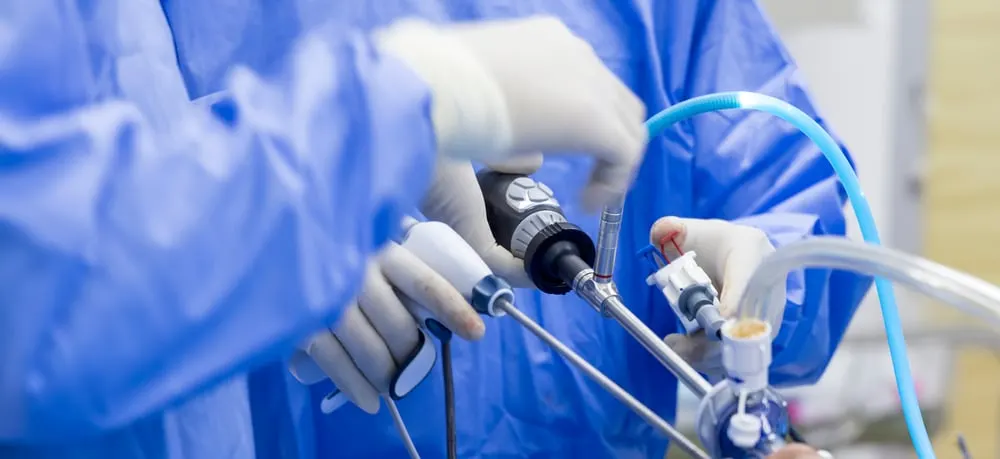
Arthroscopic knee surgery is a minimally invasive surgical procedure performed on the knee joint. In this method, which is used to diagnose and treat problems in the knee joint and various knee injuries, a device called an arthroscope is inserted into the joint through small incisions the size of a keyhole. The arthroscope consists of a thin tube containing a camera and a light source, and it allows the surgeon to clearly see the structures inside the joint. After arthroscopic knee surgery performed under general anesthesia, patients usually stay in the hospital for a few hours or one night. Although the recovery process varies from person to person, improvement is usually observed within a few weeks or months. Your surgeon may recommend specific instructions and physiotherapy options to support your recovery.
In Which Situations Is Arthroscopic Surgery Preferred?
Arthroscopic surgery may be considered for knee injuries when other treatment options do not respond. However, the procedure may also be performed taking into account the patient's age and general health condition.
What Are the Knee Problems and Conditions for Which Arthroscopic Surgery Is Effective?
The knee problems and conditions for which arthroscopic surgery is effective are as follows:
Meniscus tears: The menisci are cushion-like cartilage structures located within the knee joint. Menisci can tear during sports activities or during the aging process. Arthroscopic surgery may be preferred for repairing a damaged meniscus or removing the torn fragments.
Ligament injuries: The ligaments within the knee joint can be damaged as a result of trauma or sports injuries. Arthroscopic surgery is an effective option for repairing or reconstructing ligament injuries.
Cartilage damage: The knee joint cartilage can be damaged due to wear, tearing, or lesions on the cartilage surface. Arthroscopic surgery is preferred for correcting or smoothing the cartilage surface or repairing the damaged areas. In addition, advanced procedures such as cartilage transplantation can also be performed arthroscopically.
Synovial cysts: Synovial cysts are fluid-filled sacs formed by the accumulation of synovial fluid in the knee joint. These cysts can cause pain, swelling and restriction of movement. Arthroscopic surgery is an effective treatment method for removing synovial cysts.
Joint inflammation: In some cases the knee joint may become inflamed and cause pain, swelling and restriction of movement. Arthroscopic surgery is an effective treatment option for cleaning the inflamed tissue or correcting the membranes.
Joint fractures: Fractures of the bones in the knee joint can be treated with arthroscopic surgery. The surgeon may stabilize the fracture arthroscopically or reposition the fragments.
Arthroscopic surgery is an effective treatment option when these knee problems are diagnosed and the surgeon considers it appropriate. However, its suitability must be evaluated by the surgeon for each patient. Your surgeon may determine the most appropriate treatment plan based on your specific condition and symptoms.
What Are the Advantages of Arthroscopic Knee Surgery?
Arthroscopic knee surgery has many advantages. Here are some of the advantages provided by arthroscopic knee surgery:
Less invasive: The arthroscopic surgical method is a less invasive procedure compared with traditional open surgery.It is performed using smaller incisions, and the surgeon accesses the knee joint through a special device called an arthroscope.
Smaller incisions: The incisions required for arthroscopic surgery are generally small. This provides a better cosmetic result, and the incisions heal faster. It also reduces the risk of infection and facilitates the wound healing process.
Short recovery time: The recovery process after arthroscopic surgery is generally shorter. Because there is less tissue damage and a less invasive method is used, patients tend to recover more quickly.
Less pain and discomfort: Arthroscopic surgery can minimize the sensation of pain and discomfort for individuals. This reduces the need for painkillers and helps patients have a more comfortable recovery process.
Shorter hospital stay: Because arthroscopic surgery uses a less invasive method, patients generally stay in the hospital on the same day or for one night and can then return home.
Frequently Asked Questions
You may review the rest of the text for answers to frequently asked questions about arthroscopic knee surgery. As with every surgical procedure, arthroscopic knee surgery carries some risks and complications. The potential risks of arthroscopic knee surgery are as follows:
Infection: As with any surgical intervention, there is a risk of infection after arthroscopic surgery. The surgeon working in accordance with hygiene rules and ensuring sterile conditions reduces the risk of infection. However, in rare cases an infection may develop and appropriate antibiotic treatment may be required.
Blood clots: After a surgical procedure, blood clots may form in the knee area. This condition is called deep vein thrombosis (DVT).. To prevent blood clots, patients are generally given blood thinners and encouraged to move early.
Bleeding: There is a risk of bleeding during or after arthroscopic surgery. It is important for the surgeon to take appropriate measures to control bleeding. However, in rare cases severe bleeding may develop and require intervention.
Nerve or vessel damage: During arthroscopic surgery, nerves and blood vessels may be damaged. It is important for the surgeon to be careful and experienced in order to prevent such damage. However, in rare cases nerve or vessel damage may occur and treatment may be required.
Loss of sensation or movement: After arthroscopic surgery, loss of sensation or movement may occur in rare cases. This is generally related to nerve damage. A careful and precise surgeon helps protect the nerves.
Healing problems: As with every surgical intervention, the healing process after arthroscopic surgery may be associated with problems. Conditions such as non-healing wounds or tissue death, although rare, may occur.
However, these risks and complications can be minimized during arthroscopic knee surgery through careful assessment and the use of correct surgical technique. The success criteria and outcomes of arthroscopic knee surgery may vary depending on the patient's specific condition and the purpose of the surgical intervention. Arthroscopic surgery is an effective method for reducing knee pain. After this procedure, patients generally experience improvement in knee function. Problems such as meniscus tears or ligament injuries are repaired, and knee stability and range of motion are regained. Patients can generally lead a more active life and return to sports activities.
In addition, arthroscopic surgery provides a faster recovery process compared with traditional open surgery. Because a less invasive method is used, patients generally recover in a shorter time and can return to normal activities. However, recovery time may vary depending on the type of surgical intervention, the patient's health condition and the problem being treated. There are some differences between arthroscopic knee surgery and other surgical methods. Here are the differences between arthroscopic knee surgery and other surgical methods:
Level of invasiveness: Arthroscopic surgery is a less invasive method compared with other surgical methods. Smaller incisions are used compared with traditional open surgery, and the surgeon accesses the knee joint through a special device called an arthroscope. This means less tissue damage, less bleeding and less postoperative pain.
Size of incisions: The incisions required for arthroscopic surgery are generally smaller. Larger incisions may be required in traditional open surgery. This allows arthroscopic surgery to provide a more cosmetic result and allows the incisions to heal faster.
Length of hospital stay: After arthroscopic surgery, individuals generally need to stay in the hospital for a short time. With other surgical methods the hospital stay may be longer. Arthroscopic surgery allows patients to spend less time in the hospital and be discharged sooner.
Recovery time: Arthroscopic surgery generally offers a faster recovery process. Because a less invasive method is used, patients can generally return to normal activities in a shorter time. Recovery time may be longer with other surgical methods.
Complication rates: Serious complications are rarely seen with arthroscopic surgery. The risk of complications may be higher with other surgical methods. Arthroscopic surgery tends to minimize complications such as infection, bleeding, and nerve or vessel damage.
Postoperative pain and recovery: After arthroscopic surgery, generally less pain and a faster recovery process are experienced. With other surgical methods, postoperative pain and the recovery process may be more intense.
Which surgical method will be used depends on the patient's condition, the surgical goals and the surgeon's preferences. Your doctor will determine the most suitable treatment option and explain in detail the advantages and disadvantages of arthroscopic knee surgery compared with other surgical methods. The most suitable surgical method is then determined and applied based on the patient's specific condition and treatment goals.