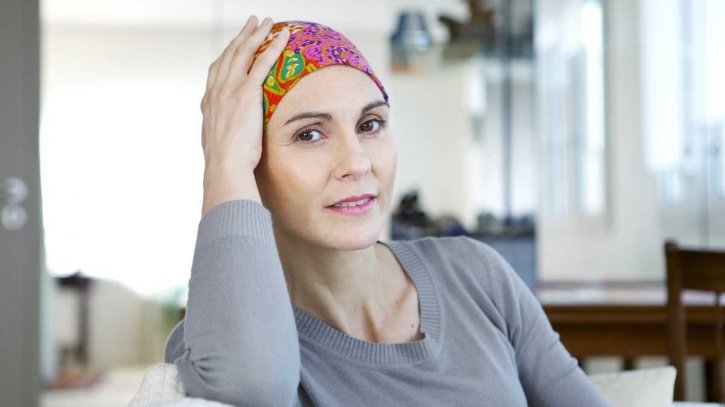
Cancer is one of the most painful and frightening diseases of our time. In Turkey, 175,000 people are diagnosed with cancer every year. Every new alternative method related to the treatment of this disease is given great importance. Although it ranks second after heart and vascular diseases worldwide, cancer can be prevented in 30% to 40% of cases, making early diagnosis and adequate intervention vital.
Smoking and Alcohol Use Are Major Causes of Cancer
One of the main culprits of cancer diseases is smoking. Smoking is the most important factor in the formation of lung cancer. Additionally, smoking can lead to cancers of the mouth, throat, esophagus, liver, pancreas, stomach, kidneys, breast, and bladder. Staying away from cigarettes, which contain many chemicals and substances that can cause cancer, and quitting as soon as possible should be among the top measures to take against cancer. Especially, regular alcohol consumption along with smoking significantly increases cancer risk.
Don't Sacrifice Your Health for Tanning in Summer
Prolonged exposure to sunlight during the summer months can eventually lead to skin cancers. Prolonged exposure to radiation and using tanning beds are among the leading factors that increase cancer risk. It is essential to stay away from sunlight between 11 AM and 4 PM when the sun is at its peak and to use high SPF sunscreen.
Protect Yourself from Infectious Diseases
A long-term weakened immune system due to infectious diseases can lead to cancer. While the course of viruses and bacteria can turn into a simple infection for some individuals, it can also lead to cancer in others. The Hepatitis B virus can particularly cause liver cancer. Additionally, cancer diseases are more frequently observed in individuals with AIDS. Safe sexual practices and vaccinations can help protect against these infections and cancer.
Avoid Processed Products and Ready-Made Foods
To protect against cancer, adopting a regular and healthy eating program is one of the most important preventive measures. Foods that increase cancer risk and trigger cancer should be strictly avoided. Foods containing nutrients that fight cancer should be consumed, and at least 2 liters of water should be drunk daily. Processed meats and smoked food products should be avoided, and daily salt consumption should be minimized. Since excessive red meat consumption increases the risk of colon cancer, meat consumption should be reduced, and white meats like fish, chicken, and turkey should be preferred instead.
Prioritize Legumes in Your Diet
In food consumption, plant-based protein sources such as beans, lentils, chickpeas, and peas should be prioritized at the table. Sugar and sweet consumption should be closely monitored, and fat intake should be limited. Meals rich in vegetables and fruits act as a shield against potential cancer diseases. Since vitamins C, E, and A are known to prevent cancer formation, one should consume green and red vegetables and citrus fruits. Foods rich in antioxidants such as spinach, chard, broccoli, garlic, and onions, as well as citrus fruits like oranges and grapefruits, should be prioritized. Instead of white bread, whole wheat, oats, rye, and brown bread should be consumed as they are the most effective sources of fiber and bran.
Exercise Regularly
Regular exercise is among the primary conditions for leading a healthy life. Individuals who make sports a lifestyle are observed to gain resistance against cancer, while those undergoing cancer treatment can return to their normal lives more quickly. Those who exercise and walk regularly for at least 30-45 minutes a day have a lower incidence of breast, colon, uterine, and prostate cancers.
Maintain Your Weight Balance
It is known that low levels of physical activity are a significant factor for obesity. Obesity, which is an important health issue, is increasingly common and is closely related to various cancers, especially breast cancer, colon, uterine, esophageal, kidney, pancreatic, prostate, and ovarian cancers. Deliberately losing weight can significantly reduce cancer risk.
Pay Attention to Symptoms
One of the most important symptoms of cancer is unexplained weight loss. Fatigue or weakness lasting more than a few weeks can be a sign of silently progressing cancer. In cancers that cause significant weight loss, loss of appetite, and anemia, the likelihood of encountering fatigue increases. Pain, skin changes, changes in bowel and urinary habits, unexpected and abnormal bleeding or discharge, non-healing wounds, palpable masses in the body, swelling, difficulty swallowing, indigestion, and hoarseness can be early signs of cancer. Even if there are no complaints, cancer can be detected early through screening tests conducted at certain ages. When these symptoms are noticed, a specialist should be consulted as soon as possible.
Learn to Cope with Stress
It is now clear that stress triggers cancer. Stress can threaten not only our psychology but also our physical health, as prolonged exposure to stress and sadness can weaken our immune system over time, making us susceptible to various diseases. However, most people in society do not yet have sufficient knowledge about how to stay away from stress. To avoid stress, one can seek counseling from a specialist, incorporate social activities more into daily life, and significantly prioritize physical exercises.
Department Doctors
Hisar Hospital's expert team for Oncology.
Contact
Get information about "Is There a Magical Formula for Cancer Prevention?"
Fill out the form for your questions; our team will call you shortly.