We have prepared information about cancer and chemotherapy for you during Cancer Week from April 1-7…
What is cancer?
Cancer is a disease that occurs due to the uncontrolled reproduction of body cells. Healthy body cells (except muscle and nerve cells) have the ability to divide. However, this ability is limited. They cannot divide infinitely. Each cell has a certain number of divisions it can undergo during its lifetime. A healthy cell knows when and how much to divide. In contrast, cancer cells lose this awareness, begin to divide uncontrollably, and proliferate. Cancer cells accumulate to form tumors, which can compress, infiltrate, or destroy normal tissues.
What is the frequency of cancer in our country?
Cancer is the second leading cause of death worldwide, following heart and vascular diseases. In Western societies, one in 250-350 people is diagnosed with cancer each year. In the group over 60 years old, the frequency of cancer increases significantly, rising to about 4-5 in 300 people. Although there are no definitive statistics in our country, it is estimated that the frequency is about half of this.
What are the causes of cancer?
Many factors can contribute to the development of cancer. In addition to familial and genetic factors, there are also causes stemming from a person's lifestyle and external influences.
Smoking and alcohol use, prolonged sun exposure, and poor dietary habits can be included in this group. Additionally, there are external factors that can cause cancer. These include exposure to high doses of X-ray radiation, chemicals, viruses (Hepatitis B, C, human papillomavirus, etc.), air pollution, and exposure to radiation, which can invite cancer formation.
What are the symptoms of cancer?
Abnormal bleeding from the uterus or rectum
Swelling in the breast or body
Non-healing wounds,
Painful/painless sores in the mouth that do not heal,
White or red plaques, masses, or hardness in the mouth and lips,
Prolonged hoarseness and cough
Bloody, foul-smelling sputum,
Difficulties swallowing or indigestion
Growth, color change, and bleeding in moles or warts
Changes in bowel habits
Bloody urine
Moles that change color, shape, and size, bleed easily, or ulcerate,
Palpable mass in the chest,
Thickening, indentation, or retraction of the breast skin,
Clear or bloody discharge from the nipple,
Prolonged diarrhea or constipation,
Unexplained weight loss
Irregular menstruation, excessive bleeding, or prolonged bleeding,
Bleeding between menstrual periods or after menopause,
Bleeding after sexual intercourse,
Excessive vaginal discharge,
Prolonged and unexplained fevers,
If these symptoms occur, one should consult a doctor without delay.
What are the most common types of cancer?
Breast cancer
Lung cancer
Prostate cancer
Esophageal, stomach, and intestinal cancers
Head and neck cancers
Ovarian, cervical, and uterine cancers
What is chemotherapy?
Chemotherapy plays an important role in the treatment of cancer. Chemotherapy is the treatment of cancer with medication. It aims to kill cancer cells and slow their growth. The medications used are known as chemotherapeutics (chemical drugs) that are cancer drugs (anticancer drugs, antineoplastic drugs).
In the treatment of the patient, surgery and radiotherapy serve as local treatment methods, followed by systemic treatments such as chemotherapy and immunotherapy.
Chemotherapy is a specialized field because it is performed with cytotoxic drugs. It must be done in effective doses while protecting the patient from side effects. The drugs are distributed throughout the body via the bloodstream to prevent the proliferation of tumor cells that grow uncontrollably.
The Purpose of Chemotherapy:
To treat cancer,
To prevent it from spreading to other organs,
To slow the growth of the tumor,
If it has spread to other areas, to destroy those cells,
To reduce or eliminate the discomforts and complaints caused by cancer.
Who administers chemotherapy?
The field of medicine that deals with chemotherapy is Medical Oncology, and the physician working in this field is called a Medical Oncologist. A Medical Oncologist is a specialist in internal medicine who has specialized in tumor treatment.
What are the types of chemotherapy administration?
Neo-Adjuvant Chemotherapy Treatment; It is given to patients with a limited tumor that can be surgically removed to shrink the mass and facilitate surgery.
Adjuvant Chemotherapy Treatment; It is given after the patient has undergone surgery to prevent local recurrence or the spread of the disease based on the risk of recurrence.
Palliative Chemotherapy Treatment; It is given to shrink or control the tumor in widespread disease or to alleviate symptoms related to the tumor.
How is chemotherapy administered?
There are various methods of administering chemotherapy.
Chemotherapy drugs are often administered intravenously. Additionally, there are methods for oral intake (tablets taken by mouth) and administration into body cavities (intramuscular, subcutaneous injections, and applications between the abdominal cavity and pleura).
What are the side effects of chemotherapy?
Chemotherapy is a treatment that affects tumor cells. With the advancement of medical technology, most of the drugs produced have minimized side effects for the patient. However, normal cells can also be affected during this process.
Common side effects of chemotherapy include nausea, vomiting, fatigue, loss of appetite, hair loss, diarrhea or constipation, widespread body aches, numbness in hands and feet, mouth sores, decreased hearing and taste, bone marrow suppression; fatigue due to low red blood cells (hemoglobin and hematocrit), risk of infection due to low white blood cells (leukocytes and neutrophils), and bleeding due to low yellow blood cells (platelets).
However, not all of these side effects occur simultaneously. Each of the more than fifty drugs used in chemotherapy has its own unique side effects. The severity of side effects can vary based on the stage of the disease, its location, the patient's age, gender, accompanying health conditions, and individual characteristics. The patient should obtain detailed information about the side effects of the drug they will receive from their doctor.
Can chemotherapy-related side effects be prevented?
Side effects related to chemotherapy generally begin within 24-48 hours and usually decrease or disappear within 7-10 days. Some side effects may persist.
Medications that suppress the nausea and vomiting center in the brain are used for nausea and vomiting.
Oral nutritional products are used for patients who develop loss of appetite and weight loss.
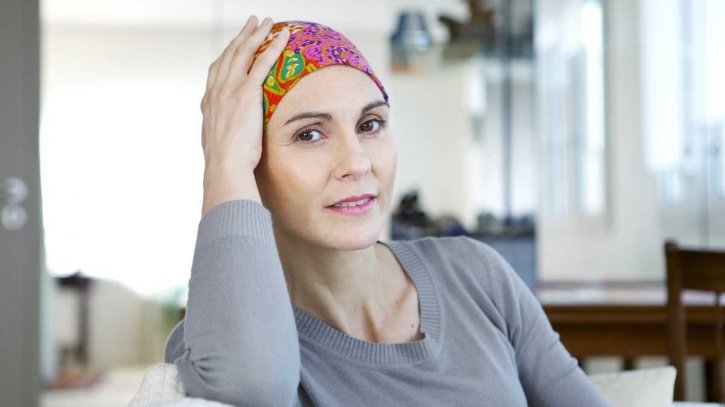
Hair may begin to fall out after the first cycle of some medications and will regrow a few months after chemotherapy ends. If possible, hair should be cut short before treatment.
Symptomatic patients with low red blood cells receive red blood cells, while those with low yellow blood cells and bleeding receive yellow blood. Some patients with low white blood cells and a high risk of serious infection receive medications that stimulate bone marrow. In patients with low white blood cells (neutrophil
Department Doctors
Hisar Hospital's expert team for Oncology.
Contact
Get information about "Cancer and Chemotherapy from A to Z"
Fill out the form for your questions; our team will call you shortly.