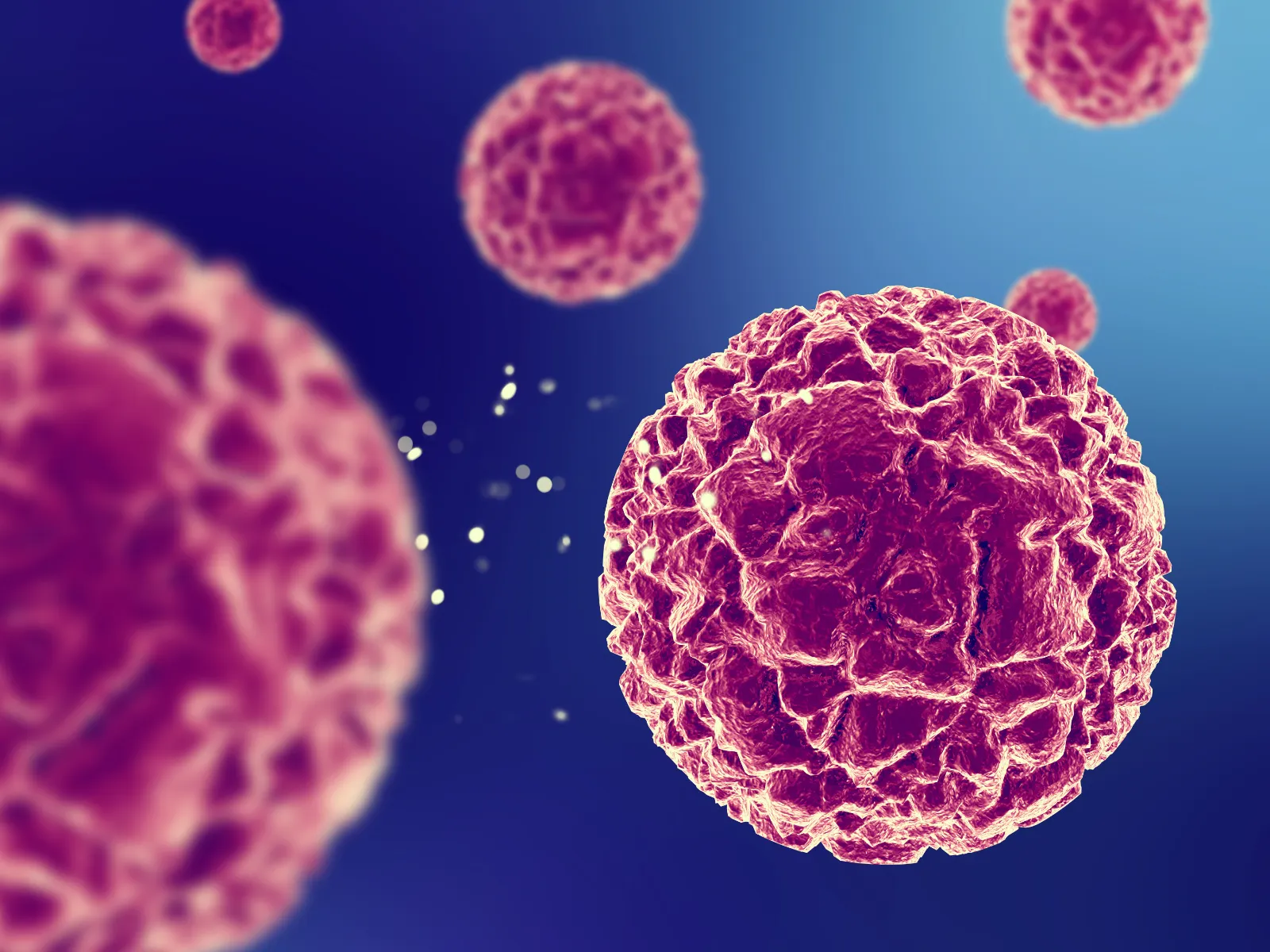
Platelets are cells that play an important role in the blood clotting process. An abnormal decrease in these values may indicate a condition called thrombocytopenia. Thrombocytopenia can generally arise due to various health problems. For more information on “What is thrombocytopenia?”, you can read this article.
What Is Thrombocytopenia (Low Platelet Count)?
Thrombocytopenia is a condition in which the number of cells in the blood called platelets falls below normal. Platelets play a critical role in the blood clotting process, preventing blood loss by forming clots in the event of injuries or small tears in blood vessels. However, in thrombocytopenia, the number of these cells decreases and problems arise in the blood clotting process. The answer to “What does thrombocytopenia mean?” is that platelet levels are below normal.
How Does Low Platelet Count Develop?
Bone marrow is the main site where platelets are produced. Impairment of bone marrow function for any reason may lead to reduced platelet production. This may be due to causes such as bone marrow disorders, genetic factors, treatments such as chemotherapy, or immune system diseases. Pregnancy can also cause gestational thrombocytopenia in some people. Unlike other types of thrombocytopenia, signs of low platelet count during pregnancy are not very pronounced and are detected during check-ups.
When platelets complete their normal life cycle, they leave circulation and reach the spleen and liver. However, sometimes the immune system develops an erroneous reaction against platelets and rapidly destroys them. In this case, platelet destruction increases, which can lead to low platelet levels. At the same time, it is important that suitable conditions are provided for the normal circulation of platelets. Enlargement of the liver or spleen can lead to circulatory problems and may cause platelets to be trapped and destroyed abnormally.
What Are the Symptoms of Low Platelet Count?
Low platelet count can arise for many different reasons, and its symptoms can generally range from mild to severe. Symptoms of low platelet count are associated with an increased risk of bleeding in the body. Symptoms may vary depending on the degree of the drop in platelet levels and the underlying causes. Potential symptoms of thrombocytopenia include:
Nosebleeds and gum bleeding,
Bruising under the skin,
Excessive menstrual bleeding,
Pinpoint bleeding under the skin (petechiae),
Severe internal bleeding.
What Causes Low Platelet Count in the Blood?
Low platelet count in the blood is a condition that arises as a result of the interaction of a number of complex factors. Low platelet count is generally linked to three main causes, and these causes can be divided into various sub-factors. Causes of thrombocytopenia include:
Reduced Bone Marrow Production: Platelets are produced in the bone marrow. If bone marrow production decreases for any reason, low platelet count may occur. It is associated with factors such as bone marrow cancers, aplastic anemia, radiation therapy, or certain medications. This may also lead to a condition called essential thrombocytopenia. In essential thrombocytopenia, the bone marrow does not function normally and does not produce a sufficient number of healthy platelets.
Immune System Problems: The immune system may mistakenly attack platelets, causing low platelet count. In a condition called immune thrombocytopenia, the immune system produces antibodies against platelets and destroys them. Infections that develop as a result of the immune system can also cause thrombocytopenia. In this condition, which is referred to as infection-related low platelet count, there is a temporary drop in platelet numbers while the body is trying to fight infections.
Increased Platelet Destruction or Consumption: In some cases, platelets may be destroyed and consumed faster than normal. Conditions such as disseminated intravascular coagulation, major surgeries, burn injuries, severe infections, or the use of certain medications can cause a rapid platelet demand in the body.
What Are the Factors That Cause Low Platelet Count?
Low platelet count (thrombocytopenia) is a condition that can arise as a result of the interaction of many different factors. These factors can affect platelet levels through various mechanisms such as reduced platelet production, increased destruction, or circulatory problems. The causes that answer “What causes low platelet count?” are as follows:
Immune thrombocytopenia,
Aplastic anemia,
Chronic lymphocytic leukemia,
Liver cirrhosis,
Thrombotic thrombocytopenic purpura,
HIV/AIDS,
Systemic lupus erythematosus (Lupus):
Chronic liver diseases,
Circulatory problems,
Chemotherapy,
Splenomegaly (Enlarged Spleen),
Use of certain medications,
Genetic transmission.
How Is Low Platelet Count Diagnosed?
To diagnose low platelet count (thrombocytopenia), a physical examination is first performed, and signs of bleeding such as bruising on the skin and gum bleeding are examined. Then, the platelet count is determined by a complete blood count and evaluated to see whether it is within the normal range. If other blood values are within the normal range but the platelet count is low, this condition may be called isolated thrombocytopenia. When necessary, a peripheral blood test and bone marrow biopsy may be used to identify the underlying causes. Peripheral blood smear testing allows the shape, size, and distribution of platelets to be evaluated by examining a blood sample under a microscope. As a result of diagnosis, thrombocytopenia can be classified in the following ways.
Mild Thrombocytopenia: Mild thrombocytopenia refers to a condition in which the platelet count in the blood is between 100,000 and 150,000/mm³. At this level, low platelet count usually does not cause symptoms.
Moderate Thrombocytopenia: Moderate thrombocytopenia is a condition in which the platelet count is between 50,000 and 100,000/mm³. Low platelet count at this level may increase the risk of bleeding.
Severe Thrombocytopenia: Severe thrombocytopenia refers to a serious condition in which the platelet count is lower than 50,000/mm³. Low platelet count at this level carries a serious risk of bleeding.
What Is the Treatment Process for Low Platelet Count?
The treatment process for low platelet count (thrombocytopenia) varies depending on the underlying causes and generally requires an approach specific to the patient's condition. The treatment options for “What helps low platelet count?” are as follows:
Drug Therapy: In cases of low platelet count, medications that increase blood clotting may be used. These medications can help platelets function more effectively.
Immunosuppressive Therapy: If low platelet count has developed as a result of autoimmune reactions, immunosuppressive drugs may be used. These medications can help reduce the attack on platelets by suppressing the immune system.
Bone Marrow Treatment: For low platelet count caused by bone marrow disorders, procedures such as bone marrow transplantation may be considered.
Blood Transfusions: In severe thrombocytopenia, platelet levels can be raised with blood transfusions. However, this is a temporary solution and not a long-term treatment.
Treatments Correcting Circulatory Problems: In low platelet count caused by circulatory problems, surgical interventions or drug treatments may be considered to resolve vascular blockages.
What Should Be Considered After Treatment for Low Platelet Count?
Patients may need special care after the treatment process for low platelet count. The important points to consider after treatment for low platelet count are as follows:
Monitoring for Signs of Bleeding: After treatment, it is important to closely monitor for signs of bleeding. Symptoms such as gum bleeding, nosebleeds, and bruising under the skin should be reported to a healthcare professional right away.
Avoiding Falls and Injuries: Patients with low platelet count should avoid falls and injuries. Care should be taken with sharp and cutting objects, and safety measures should be taken at home.
Regular Use of Medications: If medications have been prescribed by a doctor, regular use of these medications is very important. Adhering to the treatment plan can help keep platelet levels under control.
Regular Check-ups and Follow-up: Regular check-ups should be carried out with a healthcare professional, and platelet levels should be monitored.
Frequently Asked Questions About Thrombocytopenia
Many questions may arise about thrombocytopenia. For this reason, this section aims to provide comprehensive and understandable answers to frequently asked questions. Thrombocytopenia is a condition that affects the blood's ability to clot. Platelets are cells that play an important role in blood clotting, and thrombocytopenia means that the number of these cells falls below normal. Thrombocytopenia is not cancer. However, it may be associated with cancer. Still, not every case of thrombocytopenia can be linked to cancer. The answer to “Is low platelet count a sign of cancer?” varies depending on the type of cancer. Some bone marrow cancers may cause thrombocytopenia as a symptom. Thrombocytopenia can arise due to various causes such as autoimmune diseases, infections, bone marrow disorders, medications, and genetic factors. Any condition that leads to platelet depletion or prevents platelet production is a cause of thrombocytopenia. Thrombocytopenia requires different treatment options depending on the underlying causes. Methods such as drug therapy, immunosuppressive treatments, and blood transfusions can be used to treat low platelet count. Which method should be applied is decided by a specialist physician. If low platelet count is left untreated, a number of potential health problems may arise. The problems it may cause include:
Bleeding and bleeding-related problems,
Brain hemorrhage,
Hematoma (blood collection),
Joint and muscle bleeding,
Petechiae,
Gastrointestinal bleeding.
Untreated low platelet count carries a serious risk of bleeding. This can lead to internal bleeding, bruising under the skin, nosebleeds, and even life-threatening conditions. Medications that may cause low platelet count include chemotherapy drugs, antiepileptic drugs, antibiotics, and some painkillers. However, this does not mean these medications will always cause thrombocytopenia. Corticosteroids, immunosuppressive drugs, and drugs that increase blood clotting may be prescribed to treat thrombocytopenia. Attention to nutrition is important for supporting platelet levels. Foods containing omega-3 fatty acids, such as green leafy vegetables, fruits, nuts, and fish, may be consumed. However, it is important to consult the physician who made the diagnosis before consuming foods thought to help with low platelet count. Low platelet count is determined by blood tests. Complete blood count and peripheral blood smear testing are used to evaluate platelet levels. Pseudothrombocytopenia is a misleading condition that occurs when some platelets die due to clumping while a blood sample is being taken. It is not a true low platelet count. Values of 50,000 per microliter and below may indicate severe thrombocytopenia and may require urgent medical intervention. However, since every patient's situation is different, risk may arise for an individual at higher or lower values as well. It is important to consult a healthcare professional if thrombocytopenia is suspected. An appointment can be made with our hospital, where the necessary tests can be carried out.
Start with the right assessment for What Is Thrombocytopenia (Low Platelet Count)? Symptoms and Treatment
Share your symptoms with our specialist physicians; let us determine the right diagnosis and treatment plan together.
Warning
If your symptoms started suddenly, are progressing rapidly, or significantly restrict your daily life, consult a physician without delay.
Plan your What Is Thrombocytopenia (Low Platelet Count)? Symptoms and Treatment journey with our specialists.
Fill in the form or book an appointment to learn about treatment options, the process and preparation.