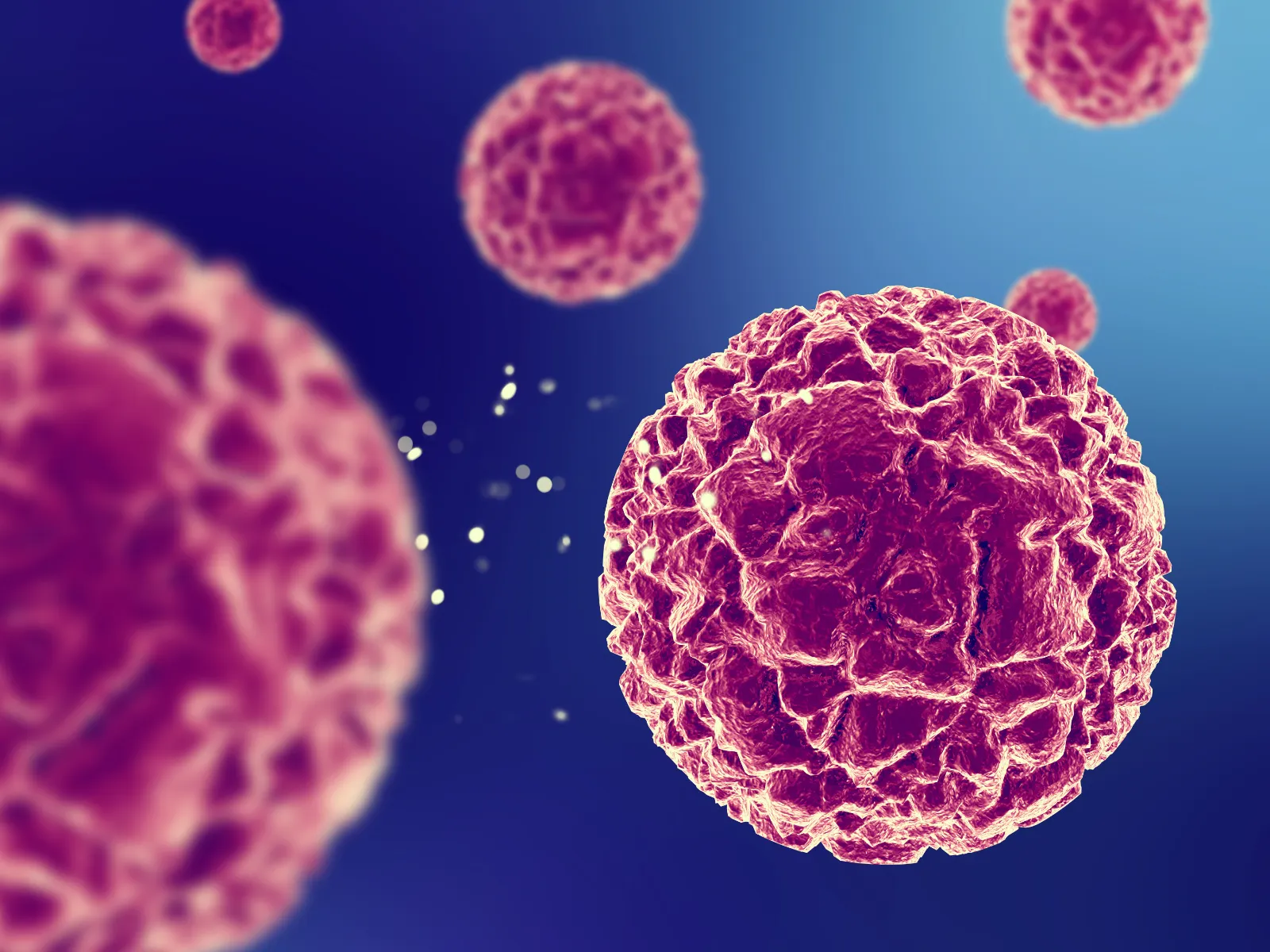
Leukemia, commonly known as blood cancer, is a type of cancer that arises from the abnormal production and uncontrolled proliferation of blood cell precursors found in the bone marrow, thereby affecting the blood and all organs. Although its cause is not fully known, early diagnosis is vital in leukemia, a disease that can be treated successfully.
Specialists from the Hematology Department of Hisar Hospital Intercontinental provided information on the diagnosis and treatment methods for leukemia.
Be aware of the symptoms!
The symptoms of leukemia vary depending on whether the disease follows a slow (chronic leukemias) or rapid (acute leukemias) course. Chronic leukemias usually cause no symptoms and may be detected on routine blood tests. Less commonly, pain in the left upper abdomen due to an enlarged spleen, early satiety, night sweats, weight loss, and swelling in areas such as the armpits, groin, or neck may be seen. The course of chronic leukemias is measured in years, even decades. In acute leukemias, the production of normal blood cells is affected, so fatigue, easy tiredness, gum and nose bleeding, bruising on the body, fever that does not subside, and bone and joint pain may often occur, and patients consult a physician because of one or more of these complaints. In acute leukemias the course is very rapid, and these complaints appear and worsen within days. For this reason, treatment may not always be required in chronic leukemias, but this is not the case for acute leukemias; treatment must be started as soon as possible, otherwise it results in death.
The type of leukemia can be determined with advanced diagnostic methods
To diagnose leukemia, the history of complaints, physical examination, and blood tests must be performed, and evaluation of the bone marrow is always necessary. Advanced diagnostic methods can determine which blood cell and which stage of development the leukemia originates from, and chromosomal abnormalities that may occur in leukemic cells, which we use to predict the course of the disease, can also be identified. Treatment is started after these examinations.
Environmental factors can trigger leukemia!
Although the causes of leukemia are not known, there are many factors that can increase the risk of developing leukemia. The main ones among these factors are:
Exposure to high levels of radiation,
Chemicals used in industry such as benzene and formaldehyde,
Having previously received chemotherapy or radiotherapy for another cancer,
Smoking,
The presence of certain genetic diseases,
The presence of leukemia or another cancer in the family,
Individuals diagnosed with certain blood diseases such as myelodysplastic syndrome, myeloproliferative disorders (including some chronic leukemias), and aplastic anemia may be at risk of leukemia.
High cure rates with a disciplined treatment program in leukemia!
The aim of leukemia treatment is to completely eliminate the disease and restore the person to health. The form of treatment and the results obtained from it depend on the type of leukemia and the condition of the patient. Thanks to advanced treatment methods developed by medicine, leukemia has become a treatable type of cancer. The drugs used in treating the disease are called chemotherapy. In some types of leukemia, drugs called targeted (smart) molecules and bone marrow transplantation are the main methods. Bone marrow transplantation in particular is almost the only way to achieve a cure in leukemia.
The procedure called bone marrow transplantation is a stem cell transplant, and nowadays stem cells are collected not from the bone marrow but from the circulating blood. In leukemias, a cure can be achieved with a stem cell transplant from a donor. For a stem cell transplant to be performed, the tissue groups of the patient and the donor must be compatible. This compatibility is highest among siblings with the same parents, at 25-30%. When a compatible donor cannot be found within the family, screening is first carried out in stem cell banks in our country and then abroad. Donating stem cells causes no harm to the donor. For this reason, every healthy individual aged 18-50 can be a stem cell donor.
Every blood donation is vital in leukemia patients
During treatment, leukemia patients may need large amounts of blood products such as red blood cells (erythrocyte suspension), platelets, and plasma. Inability to obtain sufficient blood may cause the loss of the patient. Therefore, blood donation is as vital as medications and helps the process proceed more safely.
Attention must be paid to hygiene and care must be taken with nutrition during the disease
The most important causes of death in leukemia are infections and bleeding. Infections arise from bacteria present in the patient's own body, but they can also spread from the environment in which the patient is located and from food. For this reason, extreme attention must be paid to personal body hygiene and to the cleanliness of the items used, food, and the environment in which the patient is located.