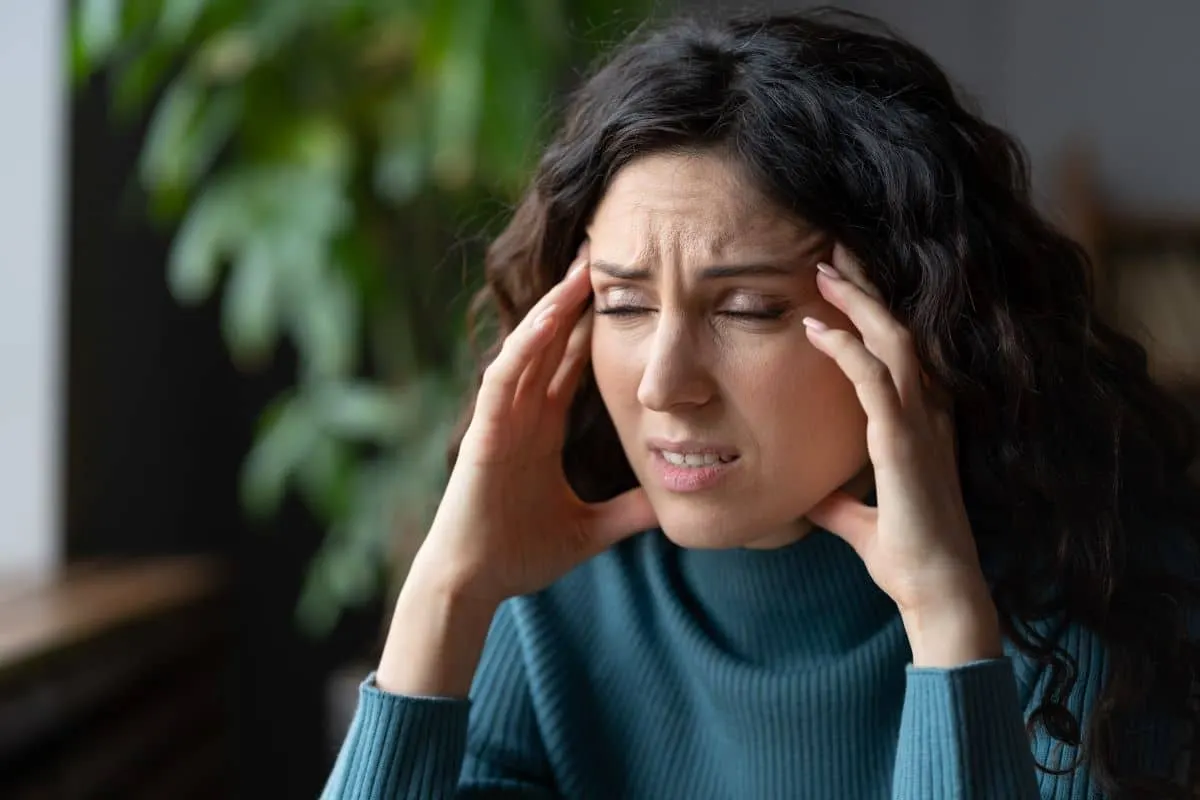
Migraine is a type of headache that usually causes very severe, throbbing pain or a pulsating sensation on one side of the head. For individuals with migraine, a migraine attack is much more than a severe headache. In migraine, the headache is often accompanied by nausea, vomiting, sensitivity to light and sound, and visual and speech disturbances. Migraine, which is among the neurological diseases, can greatly restrict daily life activities and reduce quality of life. A migraine attack can last for hours or days. It is also possible to experience migraine attacks that require several days of bed rest or that require applying to an emergency healthcare facility. Various treatment approaches are available to prevent migraine attacks and to alleviate symptoms when a migraine attack is present, including drug therapy. In the presence of abnormal and prolonged symptoms, it is recommended to apply to a healthcare facility and undergo a detailed examination by a specialist physician.
What Is Migraine?
Headaches are examined by dividing them into two categories: primary and secondary headaches. Primary headaches can be divided into subcategories such as cluster headache, tension-type headache, and trigeminal autonomic cephalalgias. Secondary headaches, on the other hand, are generally more risky and warning conditions. Headaches due to head and neck trauma or headaches associated with infections are examples of secondary headache. Migraine is among the primary headaches. Primary headaches do not result from another medical condition, and generally there is no underlying problem. Secondary headaches, however, are the result of various underlying problems such as bleeding, infection, or tumor. Primary headaches, especially migraine, can be diagnosed clinically. Clinical diagnosis means that no specific blood test or imaging method is required.
Migraine is a common neurological disease that can cause various symptoms. It is more likely to be seen in women than in men. Migraine is a significant cause of work-force loss across society and considerably affects quality of life.
During a migraine attack, in addition to a throbbing and very severe headache on one side of the head, a number of symptoms may be seen. In some cases of migraine, various warning symptoms may be observed before the headache occurs or together with the headache. Visual abnormalities such as flashes of light, black spots in the field of vision, narrowing of the visual field, and temporary vision loss; numbness and tingling in part of the face, arms or legs, loss of sensation, speech impairment, and perception of abnormal smells are called aura and are among the warning symptoms of migraine. Physical activity, light, noise, or sometimes mild sounds and smells can make migraine symptoms worse.
One of the important points for diagnosing migraine is that the headache lasts longer than four hours and shorter than three days and occurs in recurrent attacks. Migraine, which can be seen in children as well as adults, is a type of headache consisting of four phases. Most migraine patients show symptoms before the headache occurs. However, not every migraine patient may go through all phases.
What Are the Phases and Symptoms of Migraine?
Migraine phases or stages can be evaluated in four stages: migraine prodrome, migraine aura, headache phase, and migraine postdrome.
Migraine Prodrome
The prodrome stage is seen in the large majority of patients. It usually occurs one or two days before the headache. It may not be seen in every migraine attack. It can also be called the pre-headache or premonitory phase. Stretching, euphoria (a state of intense pleasure and satiety), depression, irritability, food cravings, constipation, and neck stiffness are among the main symptoms that can be seen at this stage.
Migraine Aura
Occurring in less than half of patients, aura is known as temporary neurological conditions that can last between five minutes and one hour. Aura is generally sensory, physical, and speech-related symptoms that can be described as warning signals that a migraine headache is about to come. Aura is not seen in most migraine patients, and in some cases headache occurs simultaneously with aura. In individuals who experience aura, symptoms are often misjudged. They can be confused with conditions such as seizure and stroke. Aura symptoms can be alleviated or prevented. The main symptoms can be summarized as follows.
Bright or flashing spots, zigzags at the edge of the visual field, flashes of light
Loss in the visual field, temporary vision loss, and blind spots
Numbness and tingling in the skin
Strangeness and impairment in speech
Ringing in the ears (tinnitus)
Changes in taste and smell
Headache Phase
Untreated migraine attacks usually last four to seventy-two hours. The frequency and duration of migraine attacks vary between individuals. Migraine attacks may occur more frequently during some periods, or several times a month. The main symptoms seen during a migraine attack are as follows.
Generally, pain on one side of the head that is throbbing or pulsating
Sensitivity to light (photophobia), sound (phonophobia), smell, and touch
Nausea and vomiting
Normally non-painful stimuli causing discomfort (allodynia)
Migraine Postdrome
In the period following a migraine attack, an average of about a day of exhaustion, weakness, confusion, bewilderment, or euphoria may be expected. Recurrent pain in the pain area with sudden head movements may also be among the postdrome symptoms.
What Are the Causes of Migraine?
The causes of migraine have not been fully clarified. Various genetic and environmental factors may play a role in the causes of migraine. Changes occurring in the brainstem, and these changes affecting the trigeminal nerve, which is an important pain pathway, may cause migraine pain. Levels of chemical substances in the brain, primarily the serotonin molecule, which is effective in controlling and regulating pain in the nervous system, can also affect headache. Another chemical molecule that plays a role in migraine pain and continues to be the subject of research is known as the calcitonin gene-related peptide (CGRP) neurotransmitter.
Migraine triggers are of great importance in most migraine patients, and avoiding triggers is known as the most important factor increasing the chance of success in treatment. Migraine triggers vary from individual to individual, and common triggers can be summarized as follows.
Hormonal changes in women, menstrual periods
Alcohol consumption
Excessive caffeine consumption
Smoking
Stress
Hunger
Noise
Bright and flashing lights
Strong odors
Oversleeping
Sleeplessness
Weather changes
Certain medications
Certain foods
Avoiding migraine triggers and protecting against modifiable risk factors such as sleeplessness, hunger, smoking, and alcohol consumption are among the most important factors for preventing the frequency of migraine attacks and improving patients' quality of life.
How Is Migraine Diagnosed?
Migraine and other primary headaches are diagnosed clinically. There is no specific diagnostic test, blood or urine analysis, or imaging method that establishes a diagnosis of migraine. The headache type can be determined according to the patient's symptoms and description of the disease. Attacks of visual disturbance in one eye, including flashing or complete vision loss associated with migraine headache, bring retinal migraine to mind, while migraine aura involving motor weakness may suggest hemiplegic migraine, in which the motor weakness is fully reversible. A headache present for more than three months, occurring on fifteen or more days per month, with at least eight of the characteristics of a migraine headache, meets the definition of chronic migraine, and in these patients, medication overuse must always be investigated.
How Is Migraine Treated?
Migraine treatment includes primarily questioning of triggering factors, keeping a headache diary, acute attack treatment, and prophylactic (preventive) treatment approaches.
What Is Drug Treatment?
The goal in migraine treatment is to prevent symptoms, reduce their severity, and prevent future attacks. Drug development studies to treat migraine are ongoing. Drugs preferred in migraine treatment can be summarized under two main headings. The first group of drugs are pain relievers, which are preferred during migraine attacks to relieve pain and stop symptoms. Preventive (prophylactic) drugs, on the other hand, are used regularly under physician direction to reduce the severity and frequency of migraine attacks. Antidepressants, beta-blockers, and antiepileptic drugs have a place in preventive drug treatment of migraine. Treatment approaches vary according to the severity of migraine, the frequency of symptoms, the degree to which they affect daily life, and the patient's expectations and needs. Support from an expert physician and a healthcare facility with an experienced healthcare team is very important for accurate and effective treatment planning.
What Is Botox Treatment?
Botox treatment, which is among the preventive treatments for migraine, uses botulinum toxin. It has no place in the treatment of episodic (occurring at intervals) migraine attacks, but it may be preferred for the treatment of chronic migraine. Not responding to other prophylactic drugs over six months and the absence of headache due to medication overuse are among the criteria sought for Botox treatment.
What Is Migraine Vaccine?
CGRP, which is known to be effective in the occurrence of migraine pain, is a neurotransmitter found in the brain. In some studies, it has been determined that blocking the receptors of this substance and inhibiting CGRP reduces migraine attacks. CGRP receptor monoclonal antibodies are FDA-approved, but they are not very commonly preferred in routine practice. With this monoclonal antibody, known as the migraine vaccine, treatment of various neurological conditions such as migraine with and without aura, chronic migraine, medication-overuse headache (rebound headache), and cluster headache may be possible. It is a treatment approach that can be preferred in individuals experiencing four or more migraine attacks per month.
What Is Neural Therapy?
Neural therapy is a treatment approach involving injections of local anesthetic drugs. It can be used as a complementary treatment, either combined with drug therapy or alone. Its success rate is quite high, and it can be preferred in all patients, including children and the elderly. It contains a low-dose local anesthetic and is not a painful procedure. Individuals' lifestyles and response to treatment are important. Personalized treatment planning is among the factors that increase the chance of success of treatment.
What Should Be Considered to Protect Against Migraine Attacks?
Avoiding migraine triggers, staying away from stress and learning stress management, benefiting from psychological support and therapies when necessary, eating a balanced and regular diet, consuming enough fluids, staying away from cigarettes and alcohol, and adding regular and moderate exercise to daily life are effective measures that can be taken to protect against migraine attacks. It is not possible to achieve success with drugs or other treatment approaches without eliminating triggers. Smell is among migraine triggers, and in most patients it is possible for pain to be triggered by smell, or for smell-related symptoms to appear in the aura phase before a migraine attack. A wide range of foods and beverages, such as fatty foods, raw onion and garlic, tea, coffee, cola, alcohol, chocolate, cold foods, fermented foods, hazelnuts, peanuts, aged cheese, milk, salami, sausage, orange, lemon, and vanilla, may be among migraine triggers. Various approaches such as hot application, cold application, applying pressure to the head, chewing and avoiding eating and drinking, resting in a dark and quiet environment, consuming caffeine, massage, showering, relaxation exercises, and breathing therapies can be effective during a migraine attack. Migraine is a disease with a family history. The likelihood of migraine is quite high in individuals with a family history of migraine. The presence of migraine in first-degree relatives increases this rate even further. Some strong and exhausting exercises such as weightlifting, rowing, running, tennis, swimming, and football can trigger migraine pain. However, there is no absolutely prohibited sport. Careful warm-up before sports, cool-down movements after sports, adequate fluid intake, proper nutrition, avoiding sudden movements, and dressing appropriately for weather conditions may reduce the risk of migraine attacks.
Migraine pain can be very severe and disabling. It can make it impossible to carry out routine daily activities such as going to work or school, or even eating. There are ways to prevent migraine attacks and relieve symptoms, as well as various treatment approaches. To prevent migraine from reducing quality of life and to get rid of migraine symptoms, especially severe pain, it is very important to apply to a healthcare facility that is expert and experienced in its field and to make an individualized and effective plan for treatment and follow-up.
Start with the right assessment for What Is Migraine? What Are the Symptoms? How Is It Treated?
Share your symptoms with our specialist physicians; let us determine the right diagnosis and treatment plan together.
Warning
If your symptoms started suddenly, are progressing rapidly, or significantly restrict your daily life, consult a physician without delay.
Plan your What Is Migraine? What Are the Symptoms? How Is It Treated? journey with our specialists.
Fill in the form or book an appointment to learn about treatment options, the process and preparation.