The stress, physical inactivity and unhealthy eating that come with the increasing pace of city life, together with sleep disorders, lead to many negative effects. One of these is bruxism, known as a temporomandibular joint disorder. Bruxism, which shows symptoms such as teeth clenching or grinding during sleep, can over time cause difficulty opening the jaw, difficulty eating and chewing, and sleeplessness that results in severe headaches during the day. So how should we deal with bruxism?
Specialists from the Neurology Department of Hisar Hospital Intercontinental shared information about "treatment methods applied in bruxism".
If you wake up in the morning with jaw pain..
Bruxism is a condition in which the chewing muscles around the mouth contract strongly and involuntarily, causing the person to clench the jaw and grind the teeth during the day, especially at night. It can be caused by anatomical problems such as dental and jaw issues, but today it mostly occurs due to psychogenic causes accompanying an intense and stressful lifestyle. As in adults, it is also seen frequently in the children's age group.
Over time, it causes restricted jaw movements and headaches
If bruxism is not treated, it may cause signs such as wear and breakage of the teeth, sensitivity, gum recession and loosening of the teeth. Excessive work of the muscles in the cheek and temple areas can cause muscle pain and headaches in these regions. In people with migraine and tension-type headache, which are among the most common types of pain, the presence of bruxism together can cause the pains to become chronic and severe and lead to taking more medication than necessary.
Night guards and medications alone may not be sufficient in the treatment of bruxism
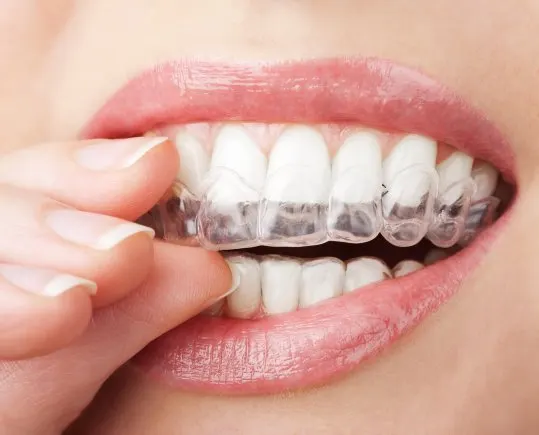
Bruxism is generally a treatable condition. Although treatment methods exist, such as treating dental anatomical problems where possible, staying away from stress, using night guards for the teeth, taking relaxing medication for sleep, and using muscle relaxants, night guards alone may not be sufficient. Since the drug treatments applied cannot achieve maximum success, these treatment methods are not very preferred.
Botox method achieves high success instead of medication in treatment
Today, botulinum toxin (Botox) treatment is used very widely. With Botox treatment, the use of excessive medication is avoided, and a much higher success rate than other treatment methods can be achieved. With Botox injection, the stress and excessive chewing force in the muscles are eliminated without damaging the muscles and without problems related to chewing, providing relaxation in the muscle. Botulinum toxin (Botox) blocks the nerves in the muscle tissue, preventing the muscle from contracting and preventing the signal needed for muscle contraction from reaching the muscle, thereby acting to prevent the muscles from contracting excessively.
The Botox procedure is performed in a short time without damaging muscle tissue
Botox injection made at specific points into the masseter muscle, located in the lower part of the cheek, eliminates the stress and excessive chewing force in the muscle, providing relaxation in the muscle, and thus the problem of teeth grinding and clenching during sleep is resolved. The procedure is performed in a short time, such as 15-20 minutes. Since the effect of Botox lasts an average of 4-6 months, repeat doses can be given 6 months later to patients whose complaints continue.