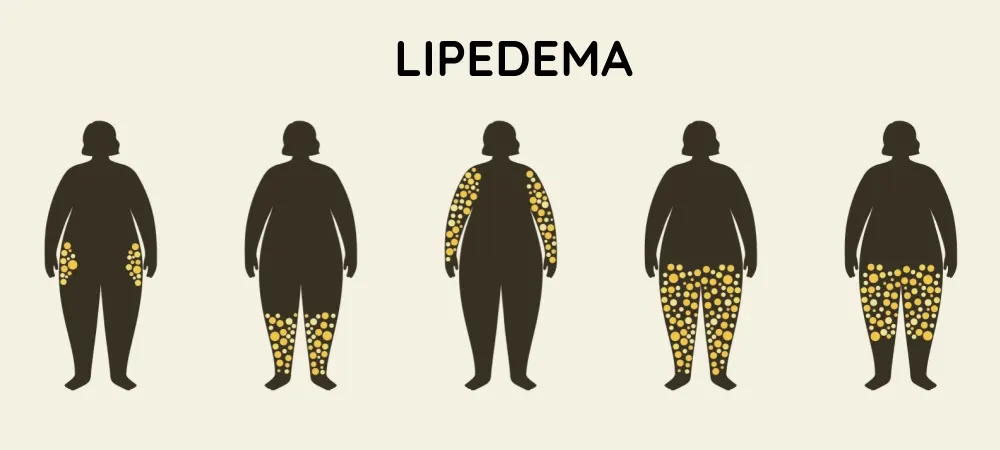
Lipedema is a chronic adipose tissue disorder that is often confused with cellulite or obesity but is quite different from them. This condition, which is seen in women, can seriously affect the quality of life. With early diagnosis and appropriate treatment, the progression of the disease can be stopped and symptoms can be alleviated.
What is Lipedema?
Lipedema is a chronic and progressive disease characterized by the abnormal distribution of adipose tissue. This condition manifests itself in women with the symmetrical thickening of the legs and arms. Lipedema is not just an aesthetic problem; it is also a serious medical condition that causes pain, tenderness, and functional limitations. This disease occurs as a result of the abnormal growth and proliferation of fat cells in specific areas of the body. Lipedema affects the lower legs, hips, thighs, and sometimes the arms. Unlike normal obesity, it creates a distinct asymmetry between the upper and lower parts of the body. Although the patient is at a normal weight in the upper half of the body, they experience disproportionate thickening in the lower half.
The prevalence of lipedema in women ranges from 1-11% and is usually triggered by hormonal changes. The disease can appear or worsen during periods when hormone levels change, such as puberty, pregnancy, and menopause. The onset of lipedema is usually observed during these periods of hormonal change. Lipedema is extremely rare in men and is associated with hormonal disorders.
What Are the Symptoms of Lipedema?
Although lipedema symptoms are usually concentrated in the legs and hips, they can also affect the arms in some individuals. These symptoms are generally symmetrical, meaning they appear similarly on both sides of the body. The most common lipedema symptoms are as follows:
Disproportionate fat accumulation in the lower extremities: The most characteristic symptom is the symmetrical thickening of the legs and arms. Unlike normal weight gain, this thickening is concentrated in specific areas of the body and creates a disproportionate appearance.
Sensitivity to pressure and pain: Pain is one of the most common complaints of lipedema patients. This pain is deep, throbbing, and constant in nature. Touch sensitivity is another common symptom in lipedema patients. Even light touch can cause pain in the affected areas. This situation can affect clothing choices, and patients may avoid wearing tight clothing.
Tendency to bruise: Due to the sensitivity of the vascular structure, bruising can occur easily.
Irregular adipose tissue under the skin: A structure similar to the appearance of orange peel may form.
The feet and hands are not affected: Lipedema does not affect the feet and hands, which is an important difference for diagnosis.
Fat accumulation that does not decrease with exercise and diet: Even if individuals with lipedema diet and exercise, there is no visible reduction in adipose tissue.
Feeling of heaviness: The leg with lipedema may feel heavier and more tired than normal.
In advanced cases, movement restriction and lymphedema (accumulation of lymph fluid) due to the deterioration of the lymphatic system may develop in lipedema-affected areas. In this case, the stages of lipedema become more pronounced and the disease becomes more complex.
What Causes Lipedema?
The cause of lipedema is not yet fully understood, but a combination of genetic, hormonal, and environmental factors is effective. The fact that the disease is much more common in women indicates that the hormone estrogen plays an important role. The causes of lipedema can be listed as follows:
Genetic Factors: Genetic factors are critical in the development of lipedema. The disease shows a familial trait, and transmission from mother to daughter is common. Genetic predisposition, especially from the maternal side, significantly increases the risk of the disease. Genetic research shows the existence of specific gene variants associated with lipedema.
Hormones: Hormones, especially estrogen, play a central role in the pathogenesis of lipedema. The disease usually appears or worsens during periods when hormonal changes are intense. Conditions such as puberty, pregnancy, menopause, hormone replacement therapy, and the use of birth control pills can trigger the onset of lipedema.
Lymphatic System Disorders: Lymphatic system disorders also play a role in the development of lipedema. Problems in lymphatic drainage can lead to the accumulation of tissue fluid and inflammation. This can trigger the abnormal growth of adipose tissue and accelerate the progression of the disease.
Environmental Factors: Environmental factors include lifestyle, dietary habits, and physical activity levels. A sedentary lifestyle and an unbalanced diet can trigger existing genetic predisposition. Additionally, factors such as trauma, surgical interventions, and infections can also accelerate the onset of the disease.
How is Lipedema Diagnosed?
Lipedema diagnosis is mostly based on physical examination and the patient's history, but the correct diagnosis may be delayed because the disease is often confused with cellulite, obesity, or lymphedema. Therefore, the diagnostic process requires careful evaluation. The following steps are followed in the diagnostic process:
Medical history is taken: It is questioned when the symptoms started, during which periods they increased, and whether there are similar complaints in the family.
Physical examination is performed: Characteristic symptoms of lipedema such as symmetrical fat distribution, painful tissues, subcutaneous nodules, and the fact that the feet/hands are not affected are evaluated.
Differentiation from lymphedema: Whether there is swelling in the ankles and hands can be decisive in diagnosis. In lymphedema, the feet usually swell as well.
Imaging methods: Imaging methods can be used to support the diagnosis. Ultrasonography is useful for evaluating the structure and thickness of adipose tissue. Lymphoscintigraphy can be performed for lymphatic system evaluation. Magnetic resonance imaging (MRI) can show the distribution of adipose tissue in detail.
How is Lipedema Treated?
There is no definitive treatment method that completely eliminates lipedema yet. However, with appropriate lipedema treatment, the progression of the disease can be stopped and symptoms can be largely alleviated. The treatment process generally requires a multidisciplinary approach.
Conservative treatment forms the cornerstone of lipedema management. Among these, compression therapy is the most commonly used method. Medical compression garments improve lymph drainage and reduce symptoms. These stockings must be measured specifically and changed regularly. Choosing the correct compression pressure and size is critical for the effectiveness of the treatment. Manual lymph drainage is used specifically for the stimulation of the lymph system. This technique, applied by specially trained physiotherapists, increases lymph flow and helps reduce edema. Regular sessions can be effective in symptom control.
Lipedema exercises also have an important place in lipedema management. Low-intensity lipedema exercises, especially activities performed in water, improve blood circulation and reduce symptoms. Walking, swimming, and special exercise programs are recommended. Excessive strenuous exercise should be avoided. Lipedema nutrition is important for weight control and reducing inflammation. Within the scope of the lipedema diet, an anti-inflammatory diet, and a nutrition program containing omega-3 fatty acids and antioxidants are recommended. Increasing fluid intake and reducing salt consumption are beneficial for the lipedema diet. Foods to avoid in lipedema include processed foods, excessively salty foods, and foods that increase inflammation.
Surgical treatment may be considered in advanced cases where conservative methods are insufficient. Liposuction is the most commonly applied surgical method. Removing adipose tissue using special techniques can significantly reduce symptoms, but lipedema surgery must be performed by experienced centers and doctors. Additionally, because lipedema leads to significant changes in physical appearance, it can also cause psychological problems such as lack of self-confidence, depression, or social isolation. Therefore, psychological support is an important part of the treatment process.
Frequently Asked Questions
Lipedema is seen almost exclusively in women. It is extremely rare in men and is usually associated with hormonal disorders. The disease appears during periods of hormonal change such as puberty, pregnancy, postpartum, and menopause. Genetic predisposition is also important; the risk of occurrence is higher in people who have family members with lipedema. Lipedema and lymphedema are often confused, but there are important differences. Lipedema progresses with symmetrical fat accumulation in the legs and does not affect the feet. Lymphedema, on the other hand, is usually unilateral due to the accumulation of lymph fluid, and the foot and ankle also swell. In addition, tissues are painful in lipedema and bruising occurs easily, whereas in lymphedema, there is no pain but a feeling of hardness. Lipedema usually manifests itself with disproportionate fat accumulation below the waist. A heavy and sensitive feeling in the legs, pain even with light touch, a tendency to bruise, symmetrical swelling, and fat accumulation that does not go away with exercise are the main symptoms. One of the most distinctive features of lipedema is that the tissues are sensitive and painful. A feeling of heaviness and pressure that increases at the end of the day, and complaints such as fatigue, burning, or aching in the legs are common. This pain is different from classic muscle pain and occurs with sensitivity to pressure. If left untreated, lipedema can progress over time. Adipose tissue accumulates more, pain increases, and movement may be restricted. In advanced stages, lymphedema (accumulation of lymph fluid) may develop. Therefore, early diagnosis and intervention are very important. Lipedema does not go away on its own. It is also generally not possible to control it with exercise and diet because lipedema-affected adipose tissue is metabolically different. With appropriate treatment, progression can be stopped and complaints can be alleviated. In the treatment of lipedema, lifestyle changes, physiotherapy, exercise, and a healthy diet that supports circulation are primarily recommended. Attempts are made to alleviate symptoms with manual lymph drainage and medical compression stockings. Psychological support is also important. In advanced cases, surgical methods such as liposuction can be resorted to. Treatment is personalized according to the patient's condition. Especially in advanced cases or in situations where conservative methods are insufficient, lipedema-affected adipose tissue can be removed with liposuction, but it is important to use special techniques (water-assisted or vibration-assisted liposuction) that will not damage the lymph vessels, rather than classic liposuction. Even if adipose tissue is removed by surgery, the disease may recur. Hormonal changes, lifestyle, and genetic predisposition can increase the risk of re-development. Therefore, supportive methods such as the use of compression, healthy nutrition, and exercise should be continued after surgery. If there is a suspicion of lipedema, the first physician to consult can be a physical medicine and rehabilitation specialist, a vascular surgeon, or a dermatology specialist. In addition, physiotherapists specializing in lymphedema and plastic surgeons also contribute to the diagnosis and treatment process. The most accurate guidance is obtained when working with a multidisciplinary team.
If you have symptoms of lipedema, consult a specialist without delay.
Hisar Hospital's experienced Physical Therapy and Rehabilitation team creates a personalized diagnosis and treatment plan for you.
Contact us to make an appointment or for detailed information.
Start with the right assessment for What is Lipedema? Symptoms, Causes, and Treatment Methods
Share your symptoms with our specialist physicians; let us determine the right diagnosis and treatment plan together.
Warning
If your symptoms started suddenly, are progressing rapidly, or significantly restrict your daily life, consult a physician without delay.
Plan your What is Lipedema? Symptoms, Causes, and Treatment Methods journey with our specialists.
Fill in the form or book an appointment to learn about treatment options, the process and preparation.