Orthopedic rehabilitation is a comprehensive treatment process that helps you regain your physical function after musculoskeletal injuries, surgeries or chronic conditions. Although questions such as what "orthopedic" and "rehabilitate" mean may come to mind, the essence of the subject is improving your quality of life. Conditions that cause pain or limited movement, such as injuries to bone or soft tissue, can be treated effectively with orthopedic rehabilitation.
In this article, you will learn clearly and simply what orthopedic rehabilitation is, who it is applied to and how, and what benefits it provides. You will also discover how these programs, planned individually by Physical Therapy specialists, help you return to your daily activities more quickly and safely.
What Is Orthopedic Rehabilitation?
The solution you are looking for to your musculoskeletal problems may lie in orthopedic rehabilitation. However, to understand what this treatment is, it is first necessary to clarify some basic concepts.
What does "orthopedic" mean?
Orthopedics is the branch of medicine concerned with the diagnosis and treatment of congenital, developmental and traumatic diseases of the musculoskeletal system. This field covers problems of the bones, joints, muscles, tendons, ligaments and nerves. In addition, orthopedic specialists aim to restore patients' mobility using both surgical and non-surgical methods.
What does "rehabilitate" mean?
"Rehabilitate" means "treatment applied to eliminate a person's disability or impairment so that they can function and work again." Derived from the French word "réhabiliter," this term carries the meanings of retraining or reintegrating someone into society. Rehabilitation, in turn, is a broad treatment that aims to help the patient regain lost skills. This process enables a person to achieve maximum independence by improving their physical and functional abilities.
Definition of orthopedic rehabilitation
Orthopedic rehabilitation is the set of practices that provide pre- and postoperative assessment and treatment for all orthopedic and traumatology patients, whether or not they require surgery, and that aim to achieve maximum independence by improving their physical and functional abilities. This treatment method consists of therapeutic exercises and physical therapy modalities applied to patients experiencing muscle, bone or joint pain.
Orthopedic rehabilitation may be applied in the following situations:
- After an injury or sports accident
- Before orthopedic surgery, to speed up recovery
- After surgery, to help the body regain flexibility, strength and mobility
Orthopedic rehabilitation is a team effort. This team includes a Physical Medicine and Rehabilitation specialist first and foremost, as well as a physiotherapist, nurses and other specialists. The goal is to restore or improve body functions lost due to disorders of the patient's skeletal structure. Ultimately, the aim is to return the patient to their former healthy state, to their job and profession, and to enable them to live without depending on others.
In Which Situations Is Orthopedic Rehabilitation Applied?
Orthopedic rehabilitation is an effective treatment method in many different situations. This treatment process is applied to relieve severe pain and movement limitations resulting from injuries to bones, joints, tendons, ligaments or muscles. Thanks to this method, patients can regain their strength and freedom of movement.
Sports injuries
Sports injuries are musculoskeletal traumas that occur as a result of sudden movements, impacts, falls or overload. Orthopedic rehabilitation speeds up the healing process in such injuries and allows the athlete to return to sport safely.
The most common sports injuries include muscle strains, ligament sprains, meniscus tears, anterior cruciate ligament ruptures, stress fractures and shoulder dislocations. Thanks to advances in physiotherapy, methods such as ultrasound, HILT therapy, high-intensity and low-intensity lasers, and electrotherapy and ESWT are used in these injuries to achieve effective and rapid recovery.
Recovery after fractures
A fracture is defined as a break in the integrity of a bone, and the first stage of its treatment is carried out by the orthopedic surgeon. However, problems such as joint stiffness and muscle wasting may arise due to prolonged immobility. This is where orthopedic rehabilitation comes into play.
The aim of fracture rehabilitation is to return to the functional state before the fracture. In this process, treatment techniques such as massage, ice application and TENS are used to reduce pain and resolve swelling. Rehabilitation reduces swelling and restores range of motion, helping to regain lost muscle strength.
Before and after orthopedic surgery
Orthopedic rehabilitation can be applied before and after surgery when deemed necessary. While preoperative rehabilitation prepares the patient for surgical intervention, postoperative applications are critically important for the patient's full recovery and for maximizing the benefits of the surgery.
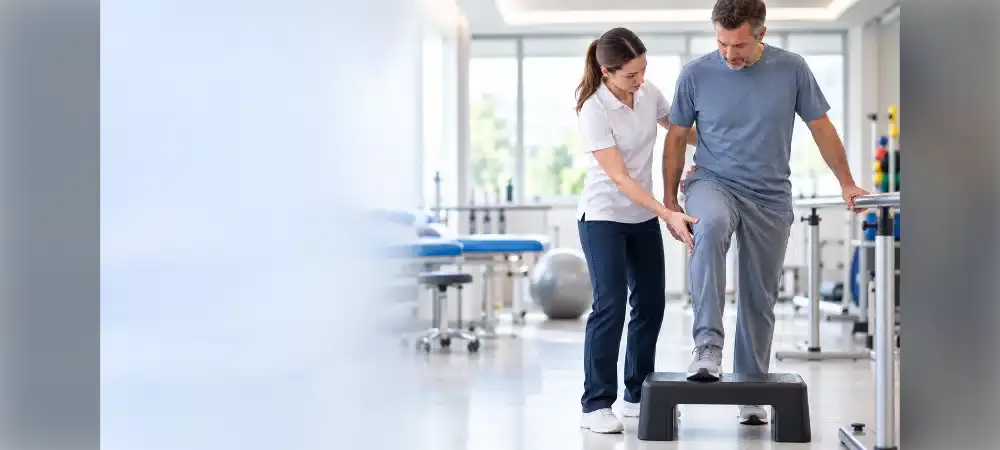
In the postoperative period, a physical therapy and rehabilitation program is started to increase the patient's mobility and restore joint function. This program is tailored to the patient's needs and generally includes strengthening exercises, flexibility work and balance training.
Chronic musculoskeletal disorders
In the United Kingdom, approximately 29% of the population, or 17.8 million people, live with musculoskeletal conditions. Orthopedic rehabilitation applied for such chronic conditions has positive effects in reducing pain and disability.
Chronic musculoskeletal disorders include conditions such as lumbar and cervical disc herniation, joint osteoarthritis (calcification), fibromyalgia, scoliosis, spinal curvatures and carpal tunnel syndrome. In these conditions, orthopedic rehabilitation contributes to improving patients' ability to manage their musculoskeletal diseases independently.
Pain affecting daily life
Low back, neck and shoulder pain are among the most common problems in society. Postural disorders, osteoarthritis, trauma and ergonomic mistakes can cause this type of pain.
Pain that is not treated in a timely and correct manner tends to become chronic. Chronic pain is a serious problem that affects 20% of people worldwide and accounts for 15–20% of doctor visits. In these types of pain, methods such as electrotherapy, manual therapy, clinical Pilates and exercise therapy are used to increase patients' independence in daily life.
The Orthopedic Rehabilitation Process
When you step into the orthopedic rehabilitation process, your treatment passes through certain stages. This process is managed by a specialist team and requires a personalized approach. So how does this process work? Let's take a look together.
Initial assessment and planning
The orthopedic rehabilitation process begins with a comprehensive assessment. In this assessment, performed by the physical therapy specialist, the patient's medical history, complaints and physical condition are examined. At this stage, muscle strength, joint range of motion and balance are evaluated in detail.
After the initial assessment, a personalized treatment plan is created according to the patient's needs. This plan consists of physical therapy methods and therapeutic exercises aimed at the person's specific health problem. During the planning process, the patient's short-term and long-term goals are determined.
Therapeutic exercises
Therapeutic exercises form the cornerstone of orthopedic rehabilitation. These exercises are planned individually and are applied to gain strength, balance, coordination and flexibility.
Exercise programs include the following:
- Movements that increase joint range of motion
- Muscle strengthening exercises
- Balance and coordination exercises
- Flexibility and stretching movements
Performing therapeutic exercises regularly increases muscle strength and helps restore motor function.
Manual therapy and physical therapy
Manual therapy is a physical therapy method that involves hands-on techniques in the treatment of musculoskeletal problems. Applied by the physiotherapist, this technique is used to reduce muscle spasms, relieve pain and increase joint mobility.
The main techniques used in manual therapy are as follows:
- Soft tissue mobilization: Rhythmic stretching and pressure techniques applied to activate muscles and reduce tension
- Joint mobilization: Loosening stiff joints and increasing the speed of movement
- Manipulation: Moving the joints in a quick and controlled manner
Use of prostheses and assistive devices
In orthopedic rehabilitation, assistive devices such as prostheses or orthoses may be used in some cases. For these devices to be effective, the correct rehabilitation process must be followed.
The rehabilitation process for the use of a prosthesis or orthosis consists of the following stages:
- Assessment and selection of the appropriate device
- Fitting of the device and the adaptation process
- Physiotherapy programs for using the device
A patient and disciplined approach is required for the rehabilitation process to succeed. In addition, supporting the patient's psychological state is an important part of the treatment.
Home exercise programs
For orthopedic rehabilitation to succeed, exercises performed at home are as important as clinical treatments. Home exercises taught by the physiotherapist should continue to be performed even after the treatment process is completed.
Home exercise programs generally include the following:
- 15–30 minutes of daily stretching exercises
- Walking or light aerobic movements
- Muscle activation exercises
- Posture control exercises
With regularly performed home exercises, recovery is accelerated and the effectiveness of the treatment increases. Furthermore, patient adherence to treatment is one of the most important factors for successful orthopedic rehabilitation.
Benefits of Orthopedic Rehabilitation
Orthopedic rehabilitation is not just a treatment; it is also a process that can transform your life. Understanding the benefits of this comprehensive approach will help you take part in your treatment more willingly.
Reducing pain
One of the most important goals of orthopedic rehabilitation programs is to reduce pain. Rehabilitation offers an effective solution, especially for pain originating from the musculoskeletal system. Physiotherapy techniques and therapeutic exercises reduce pain and allow you to live more comfortably.
Electrotherapy, hot and cold applications and manual therapy techniques applied by rehabilitation specialists play an important role in pain control. Regular exercise programs are also effective in reducing chronic pain. Pain management, which increases your comfort during treatment, is one of the most obvious advantages of the rehabilitation process.
Increasing mobility
One of the fundamental benefits of orthopedic rehabilitation is that it offers the opportunity to increase range of motion. Exercises aimed at increasing muscle strength and flexibility allow you to carry out your daily activities more comfortably.
The exercises performed during rehabilitation also reduce your risk of injury by increasing your joint mobility. Strengthening the muscles around the joints and improving balance and coordination also contribute to increasing your mobility. In this way, you can regain your body's functions as soon as possible and effectively.
Improving quality of life
The primary goal of orthopedic rehabilitation programs is to improve your quality of life. This treatment process, which allows you to return to your daily routines as soon as possible, supports your independence. Being able to take part again in the activities you love also has positive effects on your mental health.
Along with physical recovery, psychological recovery is also achieved. Feeling more capable helps reduce the psychological distress caused by illness. In addition, factors such as improved independence inside and outside the home, regaining professional and economic independence, and increased social participation also contribute to a higher quality of life.
Faster recovery after surgery
Postoperative rehabilitation is a critical process that complements the success of the surgical intervention. Better results can be achieved with a rehabilitation process that is started early. Properly planned rehabilitation prevents joint stiffness, prevents muscle atrophy and improves blood circulation.
Rehabilitation is also of great importance in preventing problems that postoperative immobility can cause. For example, with orthopedic rehabilitation, which contributes to blood circulation, the risk of blood clotting is reduced. Thus, your recovery time is shortened and you lay the foundations of a healthy life in the long term.
Offering a comprehensive treatment option, orthopedic rehabilitation helps you return to your normal life as soon as possible. However, it is very important that you stick to your treatment plan. Being patient and disciplined during this process plays a key role in successful rehabilitation.
What You Need to Know About Orthopedic Rehabilitation
Orthopedic rehabilitation is a treatment process that blends "textbook knowledge" with "clinical experience." To get the maximum benefit from the treatment process, there are some important points you should know.
Personalized planning for every patient
Handing out a standard exercise sheet and saying "do these at home" is an approach that has no place in modern physiotherapy. Every patient's tissue quality, pain threshold and healing rate differ from one another. Therefore, individualized and dynamic planning is essential.
The factors that influence success in orthopedic rehabilitation are as follows:
- Detailed assessment of the patient's current condition
- Creating the treatment plan while adhering to the surgeon's protocols
- Special exercises to rebuild physical capacity
Personalized rehabilitation programs must be carried out in collaboration with a multidisciplinary team. All physical, psychological, social and cognitive aspects need to be supported.
Can it be preferred instead of surgery?
In some cases, orthopedic rehabilitation can be preferred instead of surgery. However, this depends on the type and severity of the injury. While minor muscle tears, sprains or strains can be treated in a short time with rehabilitation, some injuries require surgical intervention alone.
Orthopedic rehabilitation can also help determine whether surgery is necessary before a surgical intervention. In cases where surgery is deemed necessary, it is also applied to speed up the recovery process after surgery.
Advantages of starting treatment early
Rehabilitation started early prevents complications, reduces pain and restores your self-confidence. Just as timing matters in surgery, placing the patient on a serious preparation program before the operation increases the success of the procedures to be performed and can noticeably reduce complications.
Rehabilitation after an operation should begin the next day without any delay. Not applying rehabilitation when it is deemed necessary may lead to recurrence of health problems. Better results can be obtained with treatment that is started early.
The importance of adherence to treatment
Adherence to treatment is of great importance for the success of the rehabilitation process. The success of treatment depends on the cooperation between the physiotherapist and the patient. Regular attendance at sessions and fully carrying out the given home exercise program are factors that directly affect the recovery process.
Personalized rehabilitation programs should continue not only in the clinic but also in the home environment. Regularly measuring and recording the patient's progress makes it possible to evaluate with objective data which practice is effective and to what extent.
Remember, the aim of orthopedic rehabilitation is not just for the bone to heal; it is to return you to your former functionality, your job and your social life as soon as possible.
Orthopedic Rehabilitation in Summary
In conclusion, orthopedic rehabilitation offers an effective solution for getting rid of your musculoskeletal problems. It reduces your pain, increases your mobility and improves your quality of life.
It is especially beneficial in situations such as sports injuries, fractures, recovery after surgery and chronic conditions. At the same time, it is very important to create an individualized treatment plan for each patient.
Remember that rehabilitation treatment started early speeds up your recovery and reduces the risk of complications. Also, in some cases, correctly applied rehabilitation programs can be an alternative to surgery.
Your adherence to treatment and discipline are the key to a successful rehabilitation process. Regularly doing the home exercises recommended by your physiotherapist will increase the effectiveness of the treatment.
Ultimately, orthopedic rehabilitation does not only relieve your pain; it also aims to return you to your former functionality, your job and your social life as soon as possible. With a correctly applied rehabilitation program, a healthier and more active life awaits you.
Frequently Asked Questions
Questions you may have about orthopedic rehabilitation, and their answers:
How long do orthopedic rehabilitation sessions last? Sessions generally last 45–60 minutes. The total treatment duration is determined individually according to your age, the severity of the injury and your rate of recovery. After the initial assessment, your physiotherapist will give you an estimate of the course of treatment.
Is the treatment process painful? No, the main purpose of treatment is to reduce pain. Mild discomfort may be felt during some exercises, but this is temporary and is part of recovery. Physiotherapists always work within your pain limits.
Can I receive physical therapy at home? Yes. Home-based orthopedic rehabilitation services are available, especially after knee or hip replacement surgery, during periods of immobility after a fracture, or in situations where access to the clinic is difficult.
Is it necessary to see a doctor for treatment? For an accurate diagnosis and a safe treatment plan, it is important that you are first evaluated by physical medicine physicians. The most effective rehabilitation program is created in line with the doctor's diagnosis.
What should I do for the treatment to succeed? The success of treatment depends on the cooperation between the physiotherapist and the patient. Regular attendance at sessions and fully carrying out the home exercise program are the most important factors that directly affect your recovery.