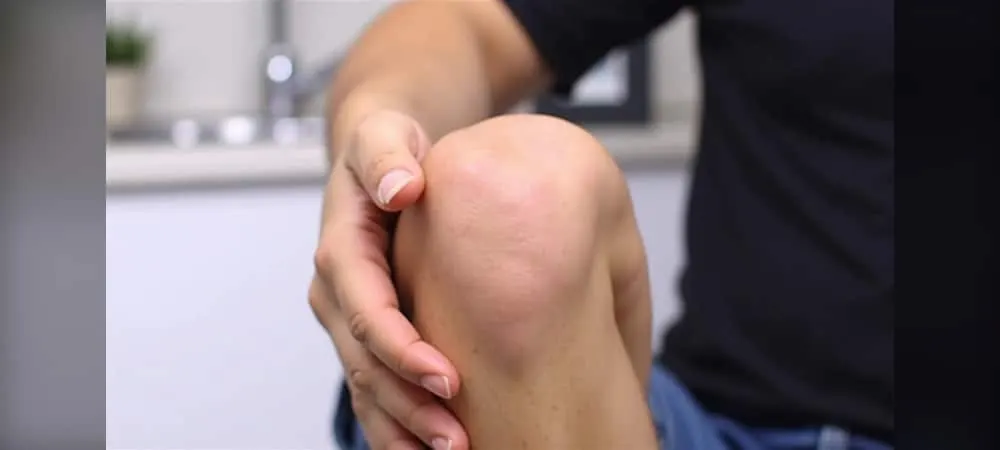
Chondromalacia patellae, which occurs due to the softening or damage of the cartilage under the kneecap, is a common knee problem that causes the kneecap and the thigh bone to rub against each other.
Also known as "runner's knee," chondromalacia patellae is frequently seen, especially in young and active individuals. Factors such as muscle weakness, trauma affecting the kneecap, and accidents can play a role in the development of this condition. When seeking an answer to the question of how to treat chondromalacia patellae, it is necessary to emphasize the importance of physical therapy approaches. Initially, methods such as rest, cold application, the use of knee braces, and exercises to strengthen the muscles around the knee are recommended. In this article, starting with the question of what chondromalacia patellae is, you will find detailed information about its symptoms and treatment methods.
What Is Chondromalacia Patellae?
If you are experiencing knee pain and have been diagnosed with chondromalacia patellae, understanding what this condition is is important for your treatment process. Now, let's examine this condition more closely.
What is patellar chondromalacia?
Chondromalacia patellae is a condition that occurs due to the softening or damage of the cartilage located under the kneecap (patella). This condition occurs as a result of the disruption of the harmony between the kneecap and the thigh bone. In the term chondromalacia, which has Latin roots, "chondro" means cartilage and "malacia" means softening.
The patellofemoral joint is the cartilage structure located between the femur (thigh bone) and the kneecap. In a normal knee, as the knee moves, the kneecap slides within the special groove located under the femur. However, in the case of chondromalacia patellae, when the protective shield of the kneecap weakens, the knee and thigh bones begin to rub against each other harshly. As a result of this friction, creaking sounds and kneecap pain occur in the knee.
Although this condition is usually seen in young adulthood, it is more common in women than in men. Cartilage deterioration is particularly prevalent in young adult women.
What does the term runner's knee mean?
Chondromalacia patellae is also known as "runner's knee." This name stems from the fact that the condition is frequently seen in runners and active athletes. This condition, which arises as a result of the kneecap not moving properly over the thigh bone, is caused by factors such as muscle imbalances in the knee, misalignment, overuse, and repetitive stress.
Activities where the knee is used frequently, such as running, jumping, or climbing stairs, can increase the risk of chondromalacia patellae. Additionally, choosing inappropriate footwear and incorrect running technique can contribute to the development of this condition.
The relationship between chondromalacia and cartilage
Chondromalacia patellae is fundamentally a cartilage problem. It is the cartilage that protects the kneecap during movements and ensures that the kneecap is positioned most efficiently by sliding during bending movements. The softening or damage of this cartilage leads to pain and discomfort during the movement of the kneecap.
Chondromalacia patellae is generally defined as an overuse injury resulting from the incompatibility of the femur bone with the patella bone and the tibia bone. This can be caused by various mechanical and biological factors. Chondromalacia causes pain and swelling that occurs when the kneecap rubs against the thigh bone.
Physical therapists focus on protecting the cartilage tissue and strengthening the surrounding muscle structures in the treatment of chondromalacia patellae. With appropriate treatment, the pressure on the cartilage can be reduced, and the normal movement mechanism of the kneecap can be restored.
What Causes Chondromalacia Patellae?
The success of chondromalacia patellae treatment depends on understanding the causes of the disease well. From the perspective of physical therapy and rehabilitation, there are various causes for this condition.
Muscle imbalances and weakness
The most common cause of chondromalacia patellae is muscle weakness. Especially weakness of the quadriceps muscles can lead to this condition by preventing the proper movement of the kneecap. Additionally, imbalances between the muscles on the front and back of the thigh can cause movement problems in the kneecap.
Imbalances between the muscles on the inner and outer sides of the thigh are also an important factor. Especially excessive tightness of the iliotibial band on the outer side and weakness of the inner part of the quadriceps muscle can trigger the development of chondromalacia patellae.
Physical therapists often state that there is a relationship between vastus medialis obliquus atrophy and patellar maltracking. Weak abdominal muscles can also cause structural irregularity, affecting the function of the knee joint.
Kneecap alignment disorders
Chondromalacia patellae usually occurs as a result of the kneecap deviating from its normal alignment. When the kneecap does not move properly in the knee joint groove, the cartilage tissue is subjected to excessive friction. This friction eventually causes softening, blistering, and deterioration on the cartilage surface.
Mispositioning of the kneecap bone, such as being aligned too high or too low from where the patella should be, or shifting inward or outward, as well as problems in the hip joint, can lead to irregular cartilage loading and progressive degeneration in the patellofemoral joint, causing chondromalacia. A Q-angle higher than 20 degrees can also increase susceptibility to knee trauma.
Trauma and repetitive stress
Sudden trauma or accidents to the kneecap can increase the risk of chondromalacia patellae. In addition, repeated exposure of the kneecap to excessive stress due to movements such as running, jumping, climbing stairs, or skiing can also be a cause of chondromalacia patellae.
Repetitive movements or exercises performed with incorrect technique can lead to wear on the kneecap cartilage. Long-term sitting, squatting, and activities that constantly apply pressure on the knee can also contribute to the wear and tear of the cartilage.
Obesity and excess weight
Excess weight increases the load on the knees, raising the risk of chondromalacia patellae. Obesity can damage cartilage tissue by putting more pressure on the knee joints than normal. Especially excess weight opens the door to knee problems because it directly increases the load on the knees.
It is reported that there is a relationship between chondromalacia patellae and obesity, infrapatellar fat pad volume, and popliteal artery vessel wall thickness.
Genetic factors can affect the risk of chondromalacia patellae. Anatomical factors, such as a flat groove between the kneecap and the femur or an increased Q-angle, can make individuals susceptible to the development of chondromalacia patellae.
Since women's muscle mass and strength can be lower than men's, they are more likely to experience kneecap problems due to muscle weakness. In people with flat feet, the likelihood of experiencing problems also increases because the load on the knee is greater.
Symptoms: What Complaints Arise?
Recognizing the symptoms of chondromalacia patellae can help you start treatment early. Knowing the correct symptoms from a physical therapy perspective plays an important role in accelerating the treatment process.
Pain and tenderness in the front of the knee
The most prominent complaint in chondromalacia patellae is a constant pain felt in the front part of the knee. This pain is usually concentrated behind or around the kneecap. It intensifies especially during activities such as running, squatting, and putting weight on the knee.
Feeling tenderness when pressure is applied to the kneecap is also a typical finding. Physical therapists consider this tenderness an important determinant in the diagnosis of chondromalacia patellae. Some patients may also experience a burning, tingling, or stinging sensation in the knee.
Pain that increases when climbing stairs
Pain that intensifies when going up and down stairs is one of the characteristic symptoms of chondromalacia patellae. More pronounced pain is experienced especially when going down stairs. The reason for this is the increased compression force between the kneecap and the thigh bone when the knee is in a bent position.
A similar increase in pain is seen in situations such as walking downhill. In chondromalacia patellae, because the cartilage cannot sufficiently absorb this increased load, the pain is felt more severely.
Cracking and friction sensation
A sensation of friction or cracking sounds (crepitation) when bending and straightening the knee is one of the important findings of chondromalacia patellae. This cracking or clicking sound stems from the irregularity and damage on the cartilage surface.
In physical therapy evaluation, these sounds that emerge during movement are an important diagnostic indicator. Patients often describe a "friction" or "catching" sensation during knee movements. They may also experience a feeling of insecurity or the knee "giving way."
Pain after sitting for a long time (theater sign)
Pain and stiffness felt in the knee after remaining in a sitting position for a long time are typical symptoms of chondromalacia patellae. This condition is called the "theater sign" or "cinema sign." White-collar workers, in particular, experience this symptom more frequently after plane or bus journeys.
Sitting for a long time creates constant pressure on the kneecap cartilage. This causes pain when standing up after sitting. From a physical therapy perspective, it is important to inform the patient about the sitting position and duration.
Swelling and limited movement in the knee
Mild to moderate swelling may be seen in the knees of patients with chondromalacia patellae. This swelling is a result of inflammation in the joint due to cartilage damage. The swelling is usually prominent around the kneecap.
Limited movement may appear in the later stages of the disease. Difficulties begin, especially in fully bending or extending the knee. This can affect daily life activities. Additionally, weakness and imbalance may develop in the muscles around the knee, which increases the limitation of movement.
In the treatment of chondromalacia patellae, the correct evaluation of these symptoms is of great importance in developing appropriate treatment protocols.
How Is Chondromalacia Patellae Diagnosed?
If you have complaints of chondromalacia patellae, an accurate diagnosis is the first step in your treatment process. Physical therapists use various methods to diagnose this condition.
Physical examination and patient history
In the diagnostic process, a detailed patient history is first taken. Information about the location and severity of the pain and which movements increase it is of great importance for the diagnosis. The physical therapist evaluates the presence of swelling and tender areas in your knee. At the same time, the positioning of the kneecap relative to the thigh bone is checked.
During the examination, both knees are evaluated comparatively. Thus, the differences between the normal and affected knee are seen more clearly. Quadriceps muscle strength, the range of motion of the knee, and pain points are examined.
MRI and X-ray imaging
MRI (Magnetic Resonance Imaging) is considered the gold standard for determining the degree of cartilage damage. MRI plays a critical role in identifying soft tissue damage and is important in shaping the treatment plan. Softening, thinning, cracks, and full-thickness cartilage loss in the cartilage can be clearly seen with MRI.
X-ray films are used to evaluate bone structures. Bone damage and kneecap positioning can be examined with X-rays. However, since X-rays are insufficient in directly showing cartilage tissue, they are supported by MRI.
Patellar movement tests
Special tests are applied to evaluate the movement quality of the kneecap. The Clarke test (Patellar Grind Test) is the most common of these. During this test, the patient lies in a supine position, and the specialist applies pressure on the kneecap and asks the patient to contract their quadriceps muscle. Pain during the test is evaluated as a positive result.
The Moving Patellar Apprehension Test is used to evaluate patellar instability. This test involves the evaluation of the lateral and medial movements of the kneecap.
Differential diagnosis methods
To clarify the diagnosis of chondromalacia patellae, it must be distinguished from other knee conditions that show similar symptoms. These include conditions such as patellofemoral osteoarthritis, patellofemoral pain syndrome, plica syndrome, quadriceps tendinitis, and patellar tendinitis.
The differential diagnosis process involves the combined evaluation of patient history, physical examination, imaging methods, and laboratory tests when necessary. In some cases, a definitive diagnosis can be made by direct examination of the softening in the joint during MRI or arthroscopy.
Chondromalacia patellae treatment begins with an accurate and early diagnosis. Physical therapists accelerate the recovery process by shaping the treatment process with a holistic evaluation.
What Is Chondromalacia Patellae Treatment?
Treatment options for chondromalacia patellae are quite diverse and are individualized according to the stage of the disease, age, and severity of the complaints. Treatment approaches can range from simple methods to complex surgical procedures. Physical therapy and rehabilitation specialists mostly recommend conservative methods as the first option.
Rest and cold application
The first step of treatment is to reduce the stress the kneecap is exposed to. In cases of suddenly intensifying complaints, it is necessary to rest and avoid activities that strain the knee. Cold application (4-5 times a day, 15 minutes each) is quite effective in reducing pain and swelling. Reducing inflammation with ice compresses accelerates the healing process. It is especially important to stay away from movements that put a load on the knee, such as going up and down stairs, deep squatting, and jumping, for a while.
Physical therapy and exercise programs
Physical therapy forms the heart of chondromalacia patellae treatment. These programs aim to strengthen the muscles around the knee and ensure the stable functioning of the kneecap. Targeted strengthening of the quadriceps and hip muscles, in particular, ensures the correct alignment of the kneecap. Modalities such as TENS, ultrasound, and cryotherapy help in pain control. Sports that do not put too much load on the knee, such as swimming and stationary cycling, can be preferred. Regular exercises increase the stability of the knee and reduce the pressure on the cartilage.
Knee braces and supportive equipment
Knee braces or special taping techniques reduce pain by controlling the movement of the kneecap. Patellar taping and kinesiotaping applications ensure that the patella is supported biomechanically. Orthopedic insoles and the choice of appropriate footwear reduce abnormal loads on the knee by correcting the general posture of the body. These supportive pieces of equipment offer temporary solutions during the treatment process, allowing time for the muscles to strengthen.
Drug therapy and injections
Non-steroidal anti-inflammatory drugs (NSAIDs) are used to relieve pain and inflammation. A few weeks of use is usually sufficient. However, gastrointestinal and renal side effects should be considered in long-term use. In advanced cases, intra-articular steroid injections can be applied to reduce pain and inflammation.
PRP and stem cell applications
PRP (Platelet Rich Plasma) and stem cell injections, which are regenerative medicine methods, can help the cartilage tissue repair itself. These treatments promote the regeneration of damaged tissues by supporting natural healing mechanisms. They are considered as an alternative option, especially in patients who do not respond to traditional treatments.
Surgical intervention options
Surgery is considered as a last resort in cases where there is no response to conservative treatment. Failure to improve despite at least 6 months of regularly applied non-surgical treatment is an indication for arthroscopic surgery. Surgical procedures such as arthroscopic debridement, lateral release, and patellar osteotomy can be applied. In advanced stage (Stage 4) cartilage damage, especially in young and active patients, cartilage repair techniques may be required.
In Summary: Chondromalacia Patellae
In conclusion, chondromalacia patellae (runner's knee) is a condition that can be successfully managed with early diagnosis and the right treatment approach. This condition, which occurs especially as a result of damage to the cartilage under the kneecap, can seriously affect your daily life.
If you feel pain in the front of your knee, difficulty going up and down stairs, or stiffness after sitting for a long time, it is important to consult a physical therapist without delay. Early intervention prevents the progression of cartilage damage and facilitates the treatment process.
In the treatment process, an approach ranging from simple methods such as rest and cold application to comprehensive physical therapy programs is adopted. In fact, the basis of treatment is strengthening the muscles around the knee and ensuring the correct alignment of the kneecap. A combination of a regular exercise program, the use of a knee brace, and drug therapy when necessary provides recovery in most patients without the need for surgical intervention.
However, it is necessary to be patient in the treatment of chondromalacia patellae. The recovery process may vary from person to person, but a significant reduction in symptoms is seen when regular exercise and recommendations are followed. In cases where there is no response to treatment, PRP applications or surgical options as a last resort can be evaluated.
Remember that success in the treatment of chondromalacia patellae is directly related to following your physical therapist's directions and regularly applying your exercise program. In addition, lifestyle changes such as choosing appropriate footwear, getting rid of excess weight, and avoiding activities that put excessive load on the knee also play a major role in your long-term recovery.
Frequently Asked Questions
Let's evaluate the answers to the questions you are curious about regarding chondromalacia patellae from a physical therapy perspective.
Does chondromalacia patellae go away on its own? In mild cases, improvement can be observed with rest and exercise. However, medical intervention is definitely required for advanced symptoms. The chance of recovery is high with appropriate treatment in the early period.
In which age group is chondromalacia patellae frequently seen? Although this condition is seen in various age groups, it is more common in active individuals and young adult women. The reason it is more common in women than in men may be that their muscle mass is lower.
Does chondromalacia patellae require surgery? Most symptoms can improve without the need for surgical intervention. The disease is usually brought under control with physical therapy and exercise support. Only in advanced cases are surgical procedures such as arthroscopy applied.
Which exercises are recommended? Exercises that strengthen the quadriceps, hip, and hamstring muscles are important. These exercises are effective in treatment by ensuring the kneecap remains stable.
Is the use of a knee brace beneficial? Yes, the use of a knee brace helps reduce pain by stabilizing the kneecap. Thus, your daily movements and sports activities become easier.
Does chondromalacia patellae turn into calcification? If left untreated, it can progress to patellofemoral arthrosis (kneecap calcification) over time. For this reason, intervention in the early period is important.
Which movements should be avoided? Deep squats, going up and down stairs, staying on the knees for a long time, and sports involving jumping should be avoided.
Start with the right assessment for What is Chondromalacia Patellae (Runner's Knee)? What Are the Symptoms? How Is It Treated?
Share your symptoms with our specialist physicians; let us determine the right diagnosis and treatment plan together.
Warning
If your symptoms started suddenly, are progressing rapidly, or significantly restrict your daily life, consult a physician without delay.
Plan your What is Chondromalacia Patellae (Runner's Knee)? What Are the Symptoms? How Is It Treated? journey with our specialists.
Fill in the form or book an appointment to learn about treatment options, the process and preparation.