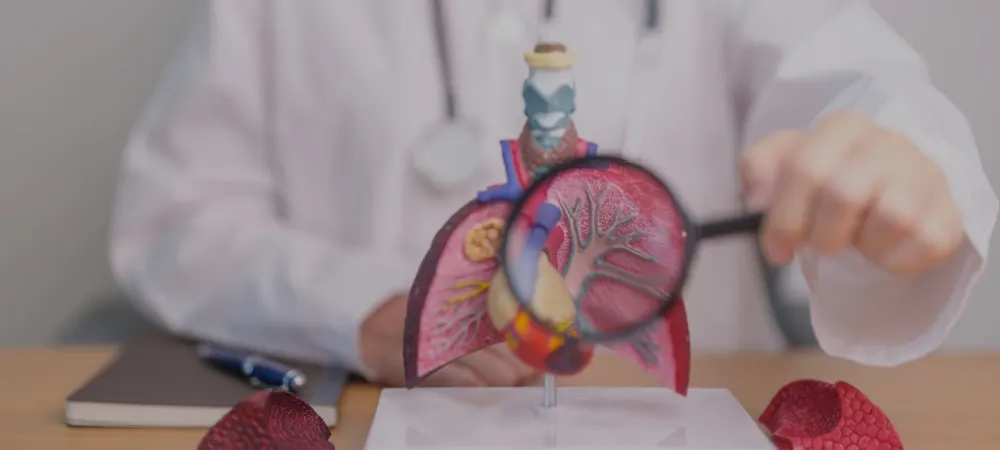
Cystic fibrosis is a hereditary disease that can be seen worldwide. In cystic fibrosis patients, the mucus structure that protects organs and tissues—from the respiratory tract to the digestive system—is thicker and stickier than normal. Blockages caused by mucus accumulation can lead to the development of infections and functional impairment in organs. In the past, this disease caused deaths in childhood, but today, thanks to advancements in the medical world, survival rates have increased.
What is Cystic Fibrosis?
Cystic fibrosis is a life-threatening disease that can cause permanent damage to many organs in the body, primarily the lungs and the digestive system. Cystic fibrosis occurs as a result of a faulty gene passed from parents to the child. For the disease to develop, the relevant gene must be inherited from both the mother and the father. If both parents are carriers, it can lead to the development of the disease in the child.
After the mutated genes are passed to the child, impairments occur in the protein structure that regulates the amount of salt in the cells. This situation, which creates changes in the mucus structure produced by the body, can cause functional impairment in organs and result in the development of infections. If cystic fibrosis is not kept under control, various complications may develop, and patients may lose their lives.
Complications that can develop due to cystic fibrosis can affect the respiratory, digestive, and reproductive systems. The first of the complications that develop in the respiratory system is damage to the airways. A chronic lung disease characterized by the abnormal widening of the airways, known as bronchiectasis, may be seen. Chronic infections in the respiratory system and nasal polyps in the nasal structure may develop. Serious complications such as bloody cough, respiratory failure, and lung collapse resulting from air leaking into the lung cavities are other complications that pose a risk.
Among the complications affecting the digestive system, intestinal obstruction, liver diseases, nutritional deficiencies, and the development of diabetes are common.
Infertility is a common condition encountered in men with cystic fibrosis. There may be a blockage due to mucus in the tubes that connect the testes to the prostate, which can result in male infertility. In women, decreased fertility may be encountered.
What Are the Symptoms of Cystic Fibrosis?
Although cystic fibrosis symptoms were detected in the past through medical conditions experienced later in life, today they can be detected before symptoms develop through newborn screenings. In some cases, symptoms that occur during the process may also be seen until newborn screening is performed.
Cystic fibrosis symptoms can vary from person to person depending on the severity of the disease. Symptoms may become more severe over time. In non-severe cases, no symptoms may be encountered until the teenage years. In these cases where the disease follows a mild course, the first symptom is usually seen as pancreatitis, known as inflammation of the pancreas. In some individuals, infertility and recurrent pneumonia may be seen.
Symptoms of cystic fibrosis in newborns include the baby's sweat being saltier. This situation, noticed by parents, may cause them to taste salt on their baby's skin when they kiss them. Apart from such symptoms, symptoms that develop due to cystic fibrosis can be explained according to the affected system as follows:
Symptoms developing in the respiratory system: A persistent cough with phlegm, wheezing in the lungs, chronic lung infections, nasal congestion, chronic sinusitis, and exercise intolerance are symptoms related to the respiratory system.
Symptoms developing in the digestive system: Stools having a worse odor than normal and a greasy structure, growth and development retardation, gaining less weight than ideal, intestinal obstruction in newborns, and chronic constipation are among the symptoms related to the digestive system.
How Does Cystic Fibrosis Occur?
If a person is born with mutated genes, a series of changes occur in their body. As a result of a mutation in the CFTR gene found in the human body, changes are created in cell movements. As a result of the mutation, changes occur in the protein structure that regulates the amount of salt inside the cells. The change in the amount of salt inside the cells causes the mucus structure found in many systems in the body to become thicker and stickier. Since the mutation on the gene can be of different sizes, the severity of the disease can vary.
For a child to be born with the genetic disorder of cystic fibrosis, the mutated copy of the gene must be passed to the child from both the mother and the father. If only one parent passes the mutated copy of the gene, the child becomes a carrier. When the carrier wants to have children in the future, they can genetically pass this gene to their child.
How Is Cystic Fibrosis Diagnosed?
Cystic fibrosis is a disease usually diagnosed in childhood. During the newborn screening to be performed after the baby's birth, the presence of various genetic diseases is evaluated. The heel prick blood taken from the baby is used for cystic fibrosis screening, and the disease can be diagnosed as a result of the examinations.
Cystic fibrosis can also be examined with different tests other than the screening test. The methods used in the diagnosis of cystic fibrosis are as follows:
Sweat test: One of the most frequently used methods in diagnosing cystic fibrosis is the sweat test. During this test, which is performed when babies are at least 2 weeks old, the chloride level of the sweat is evaluated. If a high concentration is encountered, cystic fibrosis may be suspected.
Chest X-ray: A chest X-ray may be used to determine the symptoms that may develop due to the disease and to confirm the diagnosis.
Genetic screenings: Blood samples taken are examined in a laboratory environment to see if there are different genetic disorders such as cystic fibrosis.
Sputum culture: With the sputum culture to be performed, the structure of the sputum and whether it contains a bacterium known as Pseudomonas are examined. Pseudomonas is a bacterium that is more likely to be encountered if there is cystic fibrosis.
Lung function tests: Lung tests such as spirometry may be used to determine lung functions and support the diagnosis made.
Intestinal current measurement (ICM): After procedures are performed for the rectal tissue to secrete chloride, a rectal tissue biopsy is performed. The diagnosis can be supported upon examination of the evaluations obtained.
How Is Cystic Fibrosis Treated?
If a definitive diagnosis is made as a result of the necessary screening tests, a treatment plan is made to prevent the symptoms of the disease. A multidisciplinary approach is followed in the treatment of cystic fibrosis, and support is received from doctors specialized in this field. Since there is no definitive cure for the disease, the goal within the treatment process is to keep the airways open. During this process, support is received from various medications. In addition to medications, chest physical therapy is performed, and the patient is taught correct coughing and breathing techniques. Special vibrating devices can be used to loosen the mucus structure.
In drug treatment, support is received from different types of medications. Inhaled bronchodilators can be used to open the respiratory tract. Steroid-type drugs, which are included in the anti-inflammatory drug category, can be added to the treatment. Stool softeners and medications to control pancreatic enzyme levels can also be utilized.
If complications of cystic fibrosis are encountered, various surgical techniques are resorted to. In cases such as sinus blockage or the development of polyps in the nose, surgeries can be performed on the nose and sinuses. In cases where intestinal obstruction is seen, emergency surgical interventions can be performed.
In cases where the disease has progressed and organ functions are seriously affected, organ transplantation is resorted to. At this point, various transplant surgeries, primarily double lung and liver transplants, may be required.
Frequently Asked Questions
Cystic fibrosis disease can manifest from the newborn period. A diagnosis of cystic fibrosis can be made in genetic screening tests. In some cases, patients may not show symptoms until their later years. In cases where screening is not performed and no symptoms are shown, the diagnosis of the disease can be made in youth or adulthood. Consanguineous marriages increase the risk of encountering genetic diseases. Studies show that in communities where consanguineous marriage is common, the rate of babies being born with cystic fibrosis is higher. Cystic fibrosis is a genetically transmitted disease. Mutations occurring on the CFTR gene can be passed from generation to generation. For the disease to be seen, parents do not need to be ill; if they are carriers, the child can be born with cystic fibrosis. The cystic fibrosis test is performed today by examining the heel blood taken from a newborn baby. In examinations performed in a laboratory environment, various genetic diseases, primarily this disease, can be screened. Findings obtained from newborn screening can be supported by sweat tests or genetic tests. Thanks to some tests performed during pregnancy, it can be determined whether the baby in the womb has cystic fibrosis. Screening can be performed with amniocentesis performed between the 15th and 20th weeks of pregnancy and chorionic villus sampling (CVS) performed between the 10th and 13th weeks. In the amniocentesis test, an amniotic fluid sample is taken from the womb, and in the CVS test, a tissue sample is taken from the placenta. By examining the samples taken within the scope of the test, it can be understood whether the individual has the cystic fibrosis gene. Thyroid ablation treatment is generally not applied during pregnancy and breastfeeding. Energy sources used in the ablation process (such as radiofrequency or microwave) may carry potential risks for the fetus or the breastfed baby. Therefore, different treatment methods are evaluated for women experiencing thyroid nodule problems during pregnancy or breastfeeding.
For women with thyroid disease during pregnancy and breastfeeding, medication is generally preferred. However, since every patient's condition is different, the treatment plan must be evaluated by an endocrinologist.
Cystic fibrosis is a genetic disease that can be kept under control with early diagnosis and regular follow-up. Thanks to the treatment process carried out with a multidisciplinary approach, the life expectancy and quality of life of patients increase significantly. Keeping the airways clear, preventing infections, and nutritional support are indispensable parts of this process.
As the Hisar Hospital Department of Chest Diseases and Genetic Counseling, we offer personalized follow-up programs for cystic fibrosis patients. We aim to facilitate the lives of our patients with our advanced diagnostic methods, expert physician staff, and comprehensive support services.
To get more information about cystic fibrosis and to learn about symptoms and treatment methods in detail, you can review our CHILD HEALTH AND DISEASES page.
You can contact us by making an appointment to have your individual assessment and to meet with our expert physicians.
Start with the right assessment for What is Cystic Fibrosis? Symptoms, Causes, and Treatment Methods
Share your symptoms with our specialist physicians; let us determine the right diagnosis and treatment plan together.
Warning
If your symptoms started suddenly, are progressing rapidly, or significantly restrict your daily life, consult a physician without delay.
Plan your What is Cystic Fibrosis? Symptoms, Causes, and Treatment Methods journey with our specialists.
Fill in the form or book an appointment to learn about treatment options, the process and preparation.