What is a Stroke (Cerebrovascular)?
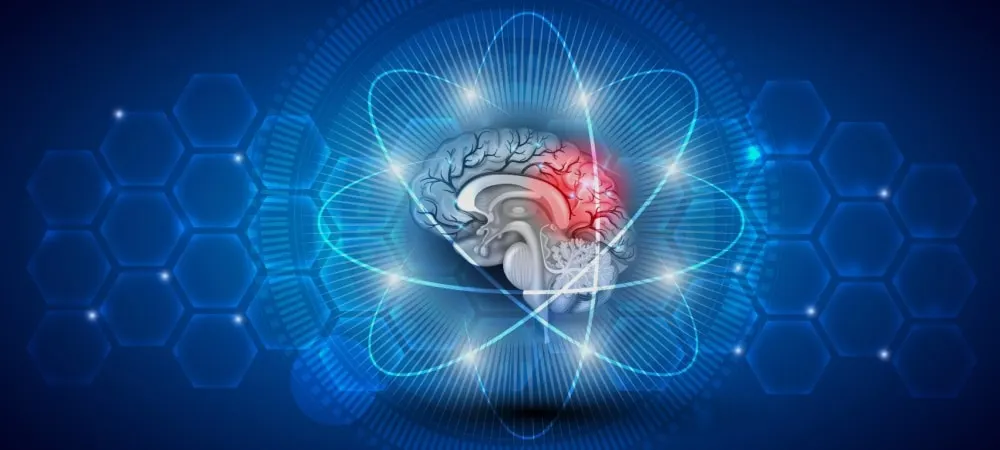
Cerebrovascular diseases can cause a decrease in blood flow to the brain (ischemia) or bleeding in any part of the brain (hemorrhage). These conditions are called a "stroke."
Cerebrovascular stroke is generally divided into two main groups: ischemic or hemorrhagic. The ischemic type occurs when blood flow to brain tissue is cut off, while the hemorrhagic type involves bleeding.
What Are the Symptoms of Stroke (Cerebrovascular) Disease?
Symptoms of cerebrovascular disease often appear rapidly. These symptoms may include numbness, weakness, or paralysis in the face or body, difficulty speaking, difficulty understanding, vision loss or blurred vision, dizziness, and loss of balance. Symptoms can develop quickly and require emergency medical intervention. Additionally, after the event, impairments in motor and cognitive functions such as vision loss, paralysis or weakness in the body, difficulty speaking, difficulty understanding, and a decline in cognitive functions may be observed.
How Does a Stroke (Cerebrovascular) Occur?
A stroke (cerebrovascular) occurs when blood flow to the brain is suddenly cut off or when bleeding occurs. It generally occurs through two main mechanisms:
Ischemic Stroke: An ischemic stroke occurs when cells do not receive enough blood flow to be supplied with oxygen. This is mostly due to blood vessels in the brain becoming blocked, cutting off blood flow. Ischemic strokes are the most common type of stroke. A piece of a clot that forms elsewhere in the body and breaks free can travel through blood vessels and cause a blockage in the brain. This usually occurs due to the blockage of an artery or the transport of a clot, called an embolus, to the brain vessels. Additionally, conditions such as untreated high blood pressure (hypertension), high cholesterol (hyperlipidemia), or high blood sugar can cause plaque buildup or narrowing in the arteries. This narrowing can obstruct blood flow and prevent brain tissue from receiving oxygen and nutrients, leading to ischemia (oxygen deficiency).
Hemorrhagic Stroke: Hemorrhagic strokes cause bleeding in or around the brain. They can be caused by two different factors. One of these factors is intracerebral hemorrhage. It occurs when a blood vessel inside the brain ruptures or opens, applying pressure to the surrounding brain tissue. The other factor is subarachnoid hemorrhage (the space between your brain and its outer covering). The arachnoid membrane is a tissue that resembles a spider web and surrounds the brain. Damage to the blood vessels passing through the arachnoid membrane can cause bleeding into the subarachnoid space and apply pressure to the underlying brain tissue.
What Are the Signs of Stroke (Cerebrovascular)?
Different regions of the brain control different abilities of a person, so symptoms may vary depending on the affected area. For example, in cases affecting the Broca's area of the brain, the muscles in your face and mouth are affected. For this reason, some people slur their words or have difficulty speaking when they have a stroke. Symptoms may include:
Weakness or paralysis in muscles, usually occurring on one side
Loss of muscle control in the face
Loss of ability to speak
Slurred speech
Sudden loss of vision, hearing, smell, taste, and touch senses
Blurred or double vision
Loss of coordination
Dizziness
Loss of balance
Nausea and vomiting
Confusion
Seizures
Stiff neck
Memory loss
Headache after the event (usually sudden and severe)
Fainting
Coma
How Is a Stroke (Cerebrovascular) Diagnosed?
In the case of a stroke, rapid diagnosis is usually required in the hospital emergency department. Emergency physicians first try to determine what type of stroke the patient has experienced. A combination of neurological examination, imaging tests, and other laboratory tests may be used for diagnosis. These tests may include:
Imaging Tests: Imaging tests may be required to confirm a stroke diagnosis. These include brain magnetic resonance imaging (MRI) or computed tomography (CT) scans. These tests can help visualize blood vessels in the brain and potential damage.
Blood Tests: Blood tests can also be performed for diagnosis. Blood tests can evaluate clotting time, measure blood sugar levels, and identify other potential risk factors.
Electrocardiogram (ECG): An ECG can help identify heart rhythm disorders and other heart problems. Some strokes can occur due to emboli originating from the heart.
How Is a Stroke (Cerebrovascular) Treated?
The most important factor in choosing the method of stroke treatment is the type of stroke the person has experienced. Some commonly used treatment methods are:
Emergency Intervention: The most urgent need for a stroke patient is the restoration of blood flow to the brain tissue. For this reason, it is necessary to take the patient to the hospital immediately and start appropriate treatment. Emergency intervention includes stabilizing the patient's breathing and circulation and performing medical interventions.
Ischemic Stroke Treatment: In this condition, acute treatments usually involve medication intervention. Treatments such as thrombolytic drugs to dissolve the clot or mechanical thrombectomy to clear the blockage may be applied. For example, TPA (tissue plasminogen activator), a drug that dissolves blood clots, may be administered by a specialist doctor. The earlier medication treatment is started for this condition, the greater the chance of recovery.
Hemorrhagic Stroke: Occurs as a result of the rupture of brain vessels. Acute treatments focus on stopping the bleeding. The first step is to find the cause of the bleeding in the brain. The next step is to control it. In this case, it is important to bring the bleeding under control and reduce the pressure that damages brain tissue. These treatments may include medications to lower blood pressure, surgical intervention, or endovascular procedures.
Rehabilitation: Post-treatment rehabilitation aims to increase the patient's functional independence and quality of life. Rehabilitation services such as physiotherapy, speech therapy, occupational therapy, and psychosocial support support the patient's recovery process and can improve long-term outcomes.
Additionally, to reduce the risk of recurrence in people who have had a stroke, risk factors such as high blood pressure, diabetes, high cholesterol, obesity, and a sedentary lifestyle must be brought under control. Healthy lifestyle changes, avoiding alcohol and smoking, regular exercise, a balanced diet, and regular doctor check-ups can reduce the risk of stroke.
What Is the Process After Stroke (Cerebrovascular) Treatment?
For patients who have had a stroke and received emergency intervention, "How does a stroke pass?" is an important question they ask to treat the negative effects of the stroke. After emergency intervention, the patient is closely monitored by specialist doctors. In post-treatment stroke care, the focus is on helping the patient regain as much function as possible and return to their daily activities.
Treatment is customized according to the patient's symptoms, stroke type, and severity. Physiotherapy, speech therapy, and rehabilitation play an important role in supporting functional recovery after a stroke. Psychosocial support and counseling facilitate the patient's adaptation process during treatment applications.
Frequently Asked Questions
A stroke is a serious condition caused by blockages and damage occurring in the brain's blood vessels. It requires very urgent intervention. A treatment program is applied targeting the areas damaged by the stroke. A stroke (cerebrovascular) can significantly affect daily life. Symptoms such as paralysis, difficulty speaking, weakness, and loss of balance can restrict a person's mobility and make daily living activities difficult. The duration of symptoms can vary depending on many factors. While some symptoms may be short-term, such as transient ischemic attacks (TIA), others may be permanent. However, non-transient symptoms usually last more than 24 hours, and while some can be resolved with treatment, others may be permanent. Stroke (cerebrovascular) patients should adopt a healthy and balanced diet program under doctor supervision. This program may include low-fat foods enriched with high-fiber fruits, vegetables, whole grains, and protein sources. Additionally, limiting foods and drinks with added salt, reducing sugar intake, maintaining a healthy weight, and exercising regularly to keep blood pressure under control and manage cholesterol levels are also important. As the disease progresses, permanent damage and complications usually occur. These may include paralysis, difficulty speaking, a decline in cognitive functions, difficulty swallowing, and emotional changes. To prevent the progression of the disease, medical check-ups should be performed regularly, and the treatment plan recommended by the doctor should be followed. Furthermore, a healthy lifestyle should be adopted under doctor supervision, and risk factors such as high blood pressure and diabetes should be kept under control. Additionally, regular exercise and avoiding stress can also help prevent the progression of the disease. If stroke (cerebrovascular) disease is not treated, serious complications including life-threatening risks may occur. These may include permanent paralysis, speech disorders, a decline in cognitive functions, and difficulty swallowing. The most important symptom of stroke (cerebrovascular) disease is usually paralysis that starts suddenly and appears clearly. Due to paralysis, a feeling of weakness or numbness may be seen on one side of the body.
Early diagnosis and appropriate treatment in stroke (cerebrovascular) disease reduce the risk of complications and support the recovery process. However, regular doctor check-ups are of great importance for the effectiveness of the treatment and the patient's general health status.
In the follow-up programs applied at Hisar Hospital, the patient's condition is closely monitored with neurological examination, blood tests, and necessary imaging methods. Thus, possible recurrences or complications can be detected in the early period, and the treatment plan can be reshaped.
For post-stroke evaluation, personalized follow-up, and rehabilitation plan, you can contact the Hisar Hospital Neurology Department and apply easily via appointment or form.
Start with the right assessment for What is Stroke (Cerebrovascular) Disease? Symptoms, Causes, and Treatment
Share your symptoms with our specialist physicians; let us determine the right diagnosis and treatment plan together.
Warning
If your symptoms started suddenly, are progressing rapidly, or significantly restrict your daily life, consult a physician without delay.
Plan your What is Stroke (Cerebrovascular) Disease? Symptoms, Causes, and Treatment journey with our specialists.
Fill in the form or book an appointment to learn about treatment options, the process and preparation.