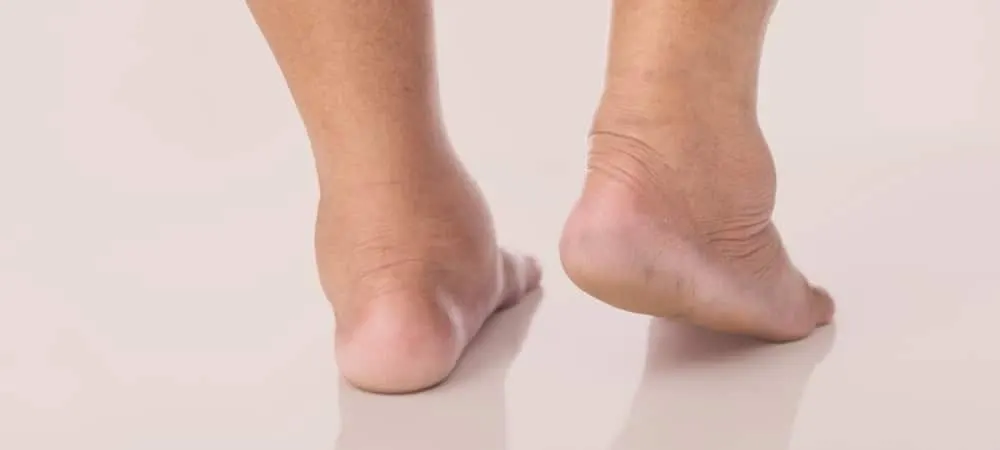
Elephantiasis (Lymphedema)
Elephantiasis is a health condition characterized by chronic lymphedema and abnormal bodily enlargements caused by lymphatic filariasis. Lymphatic filariasis occurs when roundworms enter the human body and cause various changes in the lymphatic system. While lymphatic filariasis progresses asymptomatically in the acute phase, it can cause lymphedema in the chronic phase. In tropical and subtropical regions where parasites are common, repeated bites from infected mosquitoes are the primary risk factor. The human body can be infected by certain mosquito species that belong to the vector group. Parasite larvae, which have not yet reached adulthood in mosquitoes, enter the body through a bite and become adults. In human hosts, adult roundworms can appear pinkish-white, 1.5-2.5 mm thick, and up to 1 meter in length. The spread of the disease can be brought under control by taking precautions in regions where parasite transmission via vectors is common. In elephantiasis, which develops as a result of chronic lymphatic filariasis, the goal is to prevent further deterioration of the affected limbs and overall health. Limb care and the control of skin infections play an important role in the course of the disease. In some serious cases, surgery may be necessary.
What is Elephantiasis?
Elephantiasis is a health condition that emerges in the chronic stage of lymphatic filariasis. Elephantiasis is a condition characterized by the excessive enlargement of various limbs in the body. The hands, arms, feet, legs, and external genital organs are frequently affected areas. Roundworms (nematodes) belonging to the Filarioidea family are the parasites that cause the development of elephantiasis. Parasites can enter the human body through the bite of infected mosquitoes and cause infection. Parasite larvae left in the human body by mosquitoes begin to migrate through the lymphatic system and can turn into adult nematodes. Roundworms cause blockages in the lymphatic system. As a result of these blockages, lymph fluid begins to accumulate in the affected body regions.
The lymphatic system is an important part of the immune system and is responsible for protecting the body against infection. The system consists of lymph vessels through which lymph fluid circulates. Blockage in the lymph vessels can result in lymphedema, leading to large swellings. This condition can gradually progress toward elephantiasis. Lymphatic filariasis is commonly seen in regions defined as tropical and subtropical. It can affect individuals of all age groups. Children may be more sensitive to infection, but lymphedema and elephantiasis tend to appear in the advanced stages of the disease. Lymphedema and elephantiasis can lead to temporary or permanent disabilities.
What Are the Symptoms of Elephantiasis?
Lymphedema, seen as a symptom of elephantiasis, appears in severe cases. The first stage of elephantiasis, lymphatic filariasis, generally progresses asymptomatically. The presence of filariae in the blood may not cause any clinical symptoms. Distinct symptoms can usually appear months or years after the infection. Clinical findings and lymphedema stages can be classified as acute and chronic. Acute phase symptoms may primarily include:
Painful inflammation and swelling in lymph nodes and channels accompanied by fever,
Genital area involvement,
Inflammation and swelling in the scrotum (testicles) in men,
Dilation and structural thickening in lymph channels.
Acute findings usually last for a few days. Acute symptoms may occur as a result of the presence of adult parasites in the circulation, the death of some nematodes, and the immune system's response to filariae. Serious symptoms seen in chronic cases may include:
Swelling in the arms, feet, genital organs, and breasts, lymphedema,
Hydrocele (fluid accumulation) in the scrotum (testicles) in men,
Thickening and hardening of the skin and subcutaneous tissues.
Additionally, symptoms such as bacterial infections of the lymph system, skin infections, wheezing, shortness of breath, and coughing may be observed.
How Does Elephantiasis Occur?
Lymphatic filariasis can be explained as an infection that develops as a result of parasite transmission to humans through certain mosquito species. Parasites such as Wuchereria bancrofti, Brugia malayi, and Brugia timori are thread-like worms and are called filariae. Elephantiasis is seen as a result of filariae blocking lymphatic vessels and causing severe edema. Parasite larvae cause disease by being transported from infected individuals to mosquitoes and from mosquitoes to healthy humans. Mosquitoes become infected with microfilariae through the blood they take from carrier individuals. Microfilariae mature in the mosquito's body and become larvae. The larvae settle into the skin of humans bitten by mosquitoes. Parasite larvae that penetrate under the skin begin to spread through the body. Immature larvae turn into adult roundworms in the human body. They can settle in lymph vessels connected to the blood circulation and cause blockage of the lymphatic system. Lymphatic filariasis can be explained as the settlement of filariae in the lymphatic system and causing various complications. Lymphatic filariasis can progress acutely or chronically. Infections usually do not show symptoms but can negatively affect the immune system. The advanced and painful level of the disease can result in lymphedema and elephantiasis. Elephantiasis is limb swelling seen at disturbing dimensions.
How Is Elephantiasis Diagnosed?
For the diagnosis of elephantiasis, blood sample examination is often required, but test results may appear negative in some individuals even if lymphatic filariasis is present. Since lymphatic filariasis is a health problem that starts asymptomatically, it may not be noticed until lymphedema and elephantiasis appear. Methods used in the diagnosis stage of lymphedema disease may include:
Microscopic blood test: It is necessary to check for the presence of microfilariae in the blood. Filariae, which are active in the circulation, especially at night, can be examined under a microscope. Therefore, nighttime, when microfilariae are at their highest concentrations in the blood, should be the time when the blood sample is taken.
FTS Immunochromatographic test: It is a sensitive test and can be used to monitor and evaluate filariasis transmission.
Antibody test: The presence of infection can be evaluated by measuring the antibodies produced against parasites in the blood and the eosinophil count. Antibodies are substances produced in the body against infection.
In some cases, lymph system ultrasounds may be necessary to monitor adult nematodes.
How Is Elephantiasis Treated?
Elephantiasis treatment is generally aimed at managing the underlying cause. The treatment plan is created depending on the presence and severity of symptoms. Various treatment methods can be applied for the lymphatic filariasis and lymphedema table. Lymphatic filariasis and lymphedema treatment may include the following applications:
Drug therapy: Antiparasitic drugs such as diethylcarbamazine, ivermectin, and albendazole can prevent the reproduction of adult worms in the blood and eliminate them. Furthermore, the use of antiparasitic drugs can be important in preventing the spread of the infection to other healthy individuals.
Surgery: Lymphedema surgery may be recommended to remove non-living nematodes found in the blood circulation. At the same time, surgery may be necessary to resolve hydrocele, i.e., fluid accumulation in the scrotum, in men.
Other treatments: Compression therapy and equipment can be preferred in the prevention of elephantiasis. In the case of chronic lymphedema, elephantiasis stockings for lymphedema treatment in the legs, lymphedema sleeves for lymphedema in the arm, and lymphedema exercises for the arm are among other treatment methods. You should not neglect to consult your doctor for lymphedema exercises to reduce swelling and pain. In most cases of elephantiasis, a single treatment method is sufficient. Surgery can generally be considered as a last resort. Additionally, certain medications may be prescribed to eliminate secondary infections that occur. There is no vaccine for lymphatic filariasis yet.
Frequently Asked Questions
A lymphedema diet may include limiting certain food groups. A diet heavy in carbohydrates and refined foods, salt, caffeine, and alcohol can lead to an increase in edema and inflammation in the body. Therefore, it may be necessary to limit these foods in the diet. Additionally, controlling obesity and maintaining an ideal weight can alleviate the development of lymphedema. Elephantiasis is a health problem caused by thread-like filarial worms. More than one species of filarial worms can be held responsible for elephantiasis. The presence of the Wuchereria bancrofti parasite is encountered in the majority of patients. In addition to this, Brugia malayi and Brugia timori can trigger the development of infection and cause elephantiasis. The Cardiovascular Surgery department handles elephantiasis. Since lymphedema is a problem caused by blockages in lymph vessels, help can be obtained from doctors who are experts in the field of cardiovascular surgery. Surgical procedures for lymphedema can be performed. The removal of dead roundworms in the blood and lymphatic circulation and the treatment of scrotal hydrocele in men are performed with surgical methods. Surgery can generally be recommended for advanced-stage lymphedema patients. In the diagnosis of elephantiasis, blood samples need to be examined in microscopic environments. The number of antibodies in the blood and the presence of circulating microfilariae can be examined by taking blood samples. However, clinical symptoms may point to the presence of lymphedema and filariasis. According to some studies, leech therapy may be good for elephantiasis complaints. Attaching leeches to the lesion area and sucking the blood, followed by the turmeric in which the leeches are kept, are applications in the method used in lymphedema treatment. Elephantiasis, which is mainly seen in some tropical and subtropical regions such as Africa, Asia, the Western Pacific, and South America, is also found in Turkey. Compared to these regions, a more limited number of cases are seen in Turkey. If elephantiasis is not treated, it can result in temporary or permanent disabilities. Lymphatic filariasis can leave damage in the lymph system, and weakening of the person's immune system may be observed. As a result, frequently recurring bacterial infections may occur. Fluid retention, skin thickening, and severe pain may occur in areas affected by lymphedema. A health problem characterized by an increase in white blood cells, such as tropical pulmonary eosinophilia syndrome, may be seen. Lymphedema can cause soft tissue cancer when necessary medical treatment is not provided and a severe table progresses. However, it has been reported that some types of cancer can lead to lymphedema in the body. Although cancer is among the complications of lymphedema, it does not mean that it can be seen in every case. Elephantiasis in the leg can be explained as painful swellings that occur as a result of the blockage of lymph vessels by adult nematodes. Elephantiasis can occur as the blockages in the vessels in the leg region manifest as excessive swelling and pain. Elephantiasis in the foot can hinder a person's movement, disrupt social life, and lead to the neglect of personal care. If there is general edema in the body during the day, localized pain that increases as a result of inactivity, and measurements that are wider than the general dimensions of the body, especially in the arms and legs, the problem of lymphedema may come to mind. For the correct detection of this problem, it is necessary to evaluate whether there are other underlying diseases.
If you are experiencing unexplained swelling, hardening, and movement restriction in your legs, arms, or genital area, you may need to be evaluated for elephantiasis (lymphedema). With early diagnosis and correct treatment, the progression of the disease can be brought under control. You can consult our Cardiovascular Surgery specialists to get detailed information about diagnosis, treatment, and lymphedema management.
Contact us to make an appointment and for detailed information.
Start with the right assessment for What is Elephantiasis (Lymphedema)? Symptoms, Causes, and Treatment
Share your symptoms with our specialist physicians; let us determine the right diagnosis and treatment plan together.
Warning
If your symptoms started suddenly, are progressing rapidly, or significantly restrict your daily life, consult a physician without delay.
Plan your What is Elephantiasis (Lymphedema)? Symptoms, Causes, and Treatment journey with our specialists.
Fill in the form or book an appointment to learn about treatment options, the process and preparation.