Is epilepsy genetic or do other factors play a role?
This question is one of the most frequently asked regarding this neurological disorder that affects millions of people. Epilepsy is a brain disease characterized by seizures that occur as a result of abnormal electrical activity in the nerve cells of the brain.
This disease usually manifests in the form of sudden seizures, during which loss of consciousness, uncontrolled contractions, or involuntary movements may be observed. In fact, it is a disease that progresses in the form of epileptic seizures, and the patient may be completely healthy between seizures. However, seizures can be experienced in various ways, ranging from a few seconds of loss of consciousness to uncontrolled body movements, and can significantly affect your daily life.
In this article, we will explain important topics such as what epilepsy is, its symptoms, and how it is treated. You will also learn whether epilepsy is genetic and why it occurs.
What is Epilepsy? Basic Definition and Concepts
Abnormal electrical fluctuations in brain activity form the basis of epilepsy. Epilepsy is a neurological disorder that leads to recurrent seizures as a result of irregular electrical discharges of nerve cells in the brain. During these seizures, contractions, loss of consciousness, or involuntary movements may occur.
What is an epilepsy patient?
An epilepsy patient is a person who experiences recurrent seizures resulting from abnormal electrical activity in the brain. However, an important point: a person who has a seizure only once in their life is not considered an epilepsy patient.
According to international epilepsy organizations, the diagnosis of epilepsy requires the presence of one of the following conditions:
Experiencing two or more unprovoked (spontaneous) seizures at least 24 hours apart
Experiencing one unprovoked seizure and having a greater than 60% risk of seizure recurrence within 10 years
The presence of an epilepsy syndrome
An epilepsy patient may be completely healthy during the period between seizures. Seizures are temporary conditions that affect the patient's quality of life.
Is there a difference between sara (folk name for epilepsy) and epilepsy?
No, there is no difference between sara and epilepsy. Sara is the commonly known name for epilepsy among the public. Both terms refer to the same neurological disorder. While the term "epilepsy" is used in the medical world, the expression "sara hastalığı" is widely preferred in society.
This disease is a central nervous system disorder that manifests with recurrent seizures caused by abnormal electrical activities in brain cells. These seizures can occur in the form of loss of consciousness, contractions, or involuntary movements.
Is epilepsy genetic?
Certain types of epilepsy are associated with genetic factors. People with a family history of epilepsy may have a higher risk of developing the disease. Genetic predisposition may manifest as gene mutations or chromosomal abnormalities and can affect the electrical activity of brain cells.
However, besides genetic factors, there are other causes that can lead to epilepsy. Brain traumas, tumors, infections, birth complications, cerebrovascular diseases, and metabolic disorders can contribute to the development of epilepsy. Therefore, epilepsy can arise as a result of the interaction of both genetic and environmental factors.
Consequently, while some epilepsy cases may be due to genetic factors, others develop due to acquired causes. The exact cause of the disease cannot always be determined.
Types of Epilepsy and Seizure Varieties
Doctors today define more than 30 different types of epileptic seizures. These seizures range from brief lapses in attention to prolonged convulsions. Each type of seizure has its own unique symptoms, and accurate diagnosis is of great importance for effective treatment.
Simple partial seizure
Simple partial seizures affect a small area of the brain and do not cause a loss of consciousness. You remain conscious during these seizures, but this does not mean you can stop the seizure. When they originate in different regions of the brain, they show different symptoms:
If originating in the temporal lobe: Sudden fear, feeling of deja-vu, perception of unpleasant odors and tastes
If originating in the frontal lobe: Turning of the head, raising of the arm, jerky movements in the limbs
If originating in the parietal lobe: Strange sensations, temporary numbness
If originating in the occipital lobe: Seeing flashes of light, different colors
These seizures are short-lived and usually last from a few seconds to a few minutes.
Complex partial seizure
Complex partial seizures are characterized by an impairment of consciousness. During the seizure, your consciousness is lost and you do not remember what you experienced after the seizure. Common symptoms include:
Automatisms such as chewing, lip-smacking, swallowing
Confused staring as if looking for something
Tugger actions at clothes, wandering around
Constant urge to swallow and chew
Gaze fixation on a single point
These seizures are the most common type of seizure seen in epilepsy patients. They mostly originate from the temporal lobe and can last for minutes.
Generalized seizure
Generalized seizures are seizures that affect both halves of the brain at the same time. Loss of consciousness is experienced in these types of seizures. This is the type of seizure that comes to mind when people talk about an epileptic seizure in general.
In generalized seizures, the person first becomes rigid and falls to the ground. Then, contractions and relaxations are observed in all body muscles. These seizures usually last for one or two minutes. If the seizure lasts longer than five minutes or if you are having a seizure for the first time, you need to seek medical help immediately.
Absence, tonic-clonic, and myoclonic seizures
Absence seizures are usually seen in children. A brief loss of consciousness is experienced, and you remain in a spaced-out, daydreaming state disconnected from the surroundings. These seizures can affect your daily life when they recur very frequently. Absence seizures are frequently seen between the ages of 6-12 and are more common in girls.
Tonic-clonic seizures are seizures where muscles first become rigid (tonic phase), followed by contractions and jerking (clonic phase). They usually start with a cry, and loss of consciousness, contractions, and shortness of breath are observed.
Myoclonic seizures manifest with brief, sudden jerks in the muscles.
Epileptic seizures during sleep
Nocturnal epileptic seizures occur during sleep. These seizures happen during the deep stages of night sleep and may go unnoticed. Symptoms include:
Involuntary muscle movements during sleep
Falling out of bed
Inability to wake up
Frequent awakening
Waking up tired in the morning
During generalized seizures in sleep, the person usually does not wake up and passes through it under the influence of the seizure. Sometimes tonic-clonic seizures can also occur during night sleep.
What Causes Epilepsy? Risk Factors
The causes of epilepsy, which affects approximately 50 million people worldwide, are quite diverse. Although the exact cause of epilepsy cannot be determined in some cases, many factors ranging from genetic factors to brain damage, infections to lifestyle habits can lead to epilepsy.
Genetic and hereditary factors
In approximately 30-40% of epilepsy cases, genetic mutations have a direct or indirect effect. Single gene mutations generally play a role especially in epilepsies that begin in infancy and are resistant to treatment.
People with a family history of epilepsy have a higher risk of developing the disease. Genetic predisposition may manifest as gene mutations or chromosomal abnormalities and can affect the electrical activity of brain cells.
However, epilepsy does not depend on a single genetic factor alone and can occur in combination with environmental influences. Therefore, having epilepsy in the family does not necessarily mean that you will also have seizures.
Brain traumas and tumors
The incidence of epilepsy in patients with brain tumors ranges from 30% to 70%. Seizures are seen in 60-85% of patients with low-grade brain tumors, 20-40% in high-grade tumors, and 15-20% in metastases.
The location of the tumor in the brain is also effective in the development of epilepsy. Epilepsy is seen more frequently in tumors involving cortical structures compared to those involving white matter tissue. The risk of developing a seizure is highest in the temporal cortex, primary sensorimotor cortex, or supplementary motor area.
In addition to these, conditions such as head trauma, cerebral hemorrhages, and stroke can also increase the risk of epilepsy. Especially oxygen deprivation of the brain during or after birth is a risk factor for the future development of epilepsy.
Infections and birth complications
Infections affecting the central nervous system, such as meningitis and encephalitis, can pave the way for epilepsy by damaging brain tissue. Damage to brain tissue following such infections can be permanent.
Complications during birth, especially if the baby does not get enough oxygen, can cause permanent damage to brain cells. Premature birth, low birth weight, and birth trauma are also factors that increase the risk of epilepsy.
Furthermore, although febrile seizures seen during febrile illnesses in children generally do not turn into epilepsy, in some cases they can increase the risk of developing epilepsy in the future. Factors that increase the risk of developing epilepsy after a febrile seizure include pre-seizure developmental delay, a family history of seizures, and the presence of complex febrile seizures.
Alcohol, substance use, and other triggers
Rather than being the direct cause of epilepsy, certain factors play a role in triggering seizures. These include:
Excessive alcohol consumption or alcohol withdrawal
Substance use
Sleep deprivation and excessive fatigue
Stress and anxiety
Bright or flashing lights
Fasting or low blood sugar
High fever
Hormonal changes
These triggers can adversely affect the disease by lowering the individual's seizure threshold in epilepsy patients. Sleep hygiene, regular nutrition, and stress management are particularly important for epilepsy patients.
Since epilepsy can be due to a wide variety of causes, risk factors vary for each patient. Therefore, determining the underlying cause in individuals diagnosed with epilepsy is of great importance in treatment planning.
What Are the Symptoms of Epilepsy?
Recognizing epileptic seizures is of vital importance for patients and their relatives. Seizure symptoms vary depending on the type of seizure and which region of the brain is affected. Knowing these symptoms is the first step toward correct treatment and intervention.
Loss of consciousness and convulsions
One of the most prominent features of epileptic seizures is the loss of consciousness. During a seizure, the patient may not respond to their surroundings and may not realize what is happening. This condition can last from a few seconds to a few minutes. Loss of consciousness is particularly common in generalized seizures.
Uncontrollable convulsions are another common symptom of epileptic seizures. These contractions can start in a single muscle group and spread to the entire body. During convulsions, the body is observed to tense and become rigid. Rhythmic tremors may follow.
In some patients, symptoms such as brief staring spells, jerking of the hands, rhythmic nodding of the head, or the body becoming rigid may be observed. During sleep, turning the head to one side may be a sign of an epileptic seizure.
Hallucinations and the feeling of deja-vu
During epileptic seizures, some patients may experience hallucinations. This can manifest as changes in visual, auditory, taste, or olfactory senses. For example, perceiving bad odors similar to burning plastic or having a strange taste in the mouth may occur.
The feeling of deja-vu, meaning feeling as if one has lived through that moment before, is a symptom particularly seen in temporal lobe epilepsies. In addition, feeling as if one has stepped outside the body or sudden feelings of fear and anxiety can also be signs of an epileptic seizure.
In some patients, meaningless, aimless, and repetitive movements (automatisms) can be observed. Movements such as chewing, swallowing, and lip-smacking are examples of this.
Foaming at the mouth, biting the tongue
Foaming at the mouth is a common symptom in generalized tonic-clonic seizures. This condition occurs due to the overactivity of salivary glands and the contraction of intraoral muscles during the seizure.
Biting the tongue or teeth clenching can also be observed during a seizure. Biting the tongue, in particular, occurs as a result of the uncontrolled contraction of muscles inside the mouth. Urinary incontinence, loss of bowel control, or screaming may also occur alongside these.
Apart from these symptoms, sudden falls, mental confusion, and post-seizure confusion are also frequently encountered symptoms of epilepsy.
Pre-seizure aura symptoms
Some epilepsy patients experience warning symptoms called "aura" before a seizure begins. These symptoms can help the patient take precautions by giving notice that a seizure is approaching.
Aura symptoms can include sudden intense fear and anxiety, nausea, dizziness, and visual changes. Partial lack of control in the movements of feet and hands, feeling as if stepping outside the body, or headaches can also occur.
Other aura symptoms include strange smell or taste perception, visual hallucinations, a feeling of deja-vu, and nausea. These symptoms usually last from a few seconds to a few minutes and appear differently in each patient.
How is Epilepsy Diagnosed and Treated?
The diagnosis and treatment of epilepsy begin with a proper understanding of the seizures. Once an accurate diagnosis is made, the vast majority of patients can lead a seizure-free life with appropriate treatment. So how is epilepsy diagnosed and what are the treatment options?
Diagnostic methods such as EEG, MRI, and CT
The patient's seizure history and triggering factors play an important role in diagnosing epilepsy. In addition, various diagnostic tests are used:
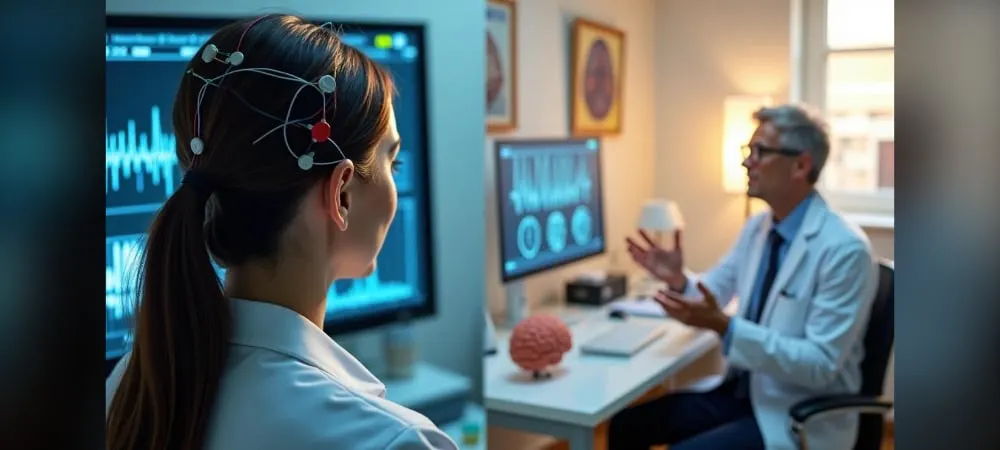
Electroencephalography (EEG) is the most commonly used test in diagnosing epilepsy. Electrical activity in the brain is measured using electrodes placed on the skull. However, EEG alone is not sufficient to diagnose epilepsy.
Video EEG Monitoring is the gold standard in diagnosis. The patient's brain electrical activity is recorded while they are monitored in front of a camera in a special room. Thus, true seizures can be distinguished from psychogenic nonepileptic seizures.
Magnetic Resonance Imaging (MRI) and Computed Tomography (CT) are used for brain imaging. Through these methods, conditions that may cause epilepsy, such as tumors, structural abnormalities, or bleeding in the brain, are investigated.
Medication therapy and antiepileptic drugs
Antiepileptic drugs are the first choice in epilepsy treatment. Seizures can be controlled with medication in approximately 70-80% of patients. The important thing is that the medications are used regularly and at the dose recommended by the doctor.
Treatment usually starts with a single epilepsy medication. If an adequate response is not achieved, the dose can be increased or a second drug can be added. The doctor evaluates drug efficacy and side effects during regular check-ups.
The patient's age, seizure type, and general health status are taken into consideration during the treatment process. Regular check-ups are of great importance during drug therapy.
Surgical intervention and vagus nerve stimulation (VNS)
Surgical treatment may be considered in patients whose seizures continue despite medication therapy (approximately 30%). The aim of surgery is to locate and remove the brain region where the seizures originate.
Vagus Nerve Stimulation (VNS) is popularly known as the "epilepsy pacemaker". This treatment is applied by placing electrodes on the vagus nerve in the neck region. The electrodes send regular electrical currents to reduce seizures. Seizure frequency is halved in approximately 50% of patients.
Ketogenic diet and alternative approaches
The ketogenic diet is an effective treatment option, especially in drug-resistant epilepsy. This special nutrition program containing high fat, adequate protein, and low carbohydrates ensures the production of ketone bodies in the brain.
There are varieties such as the Classical Ketogenic Diet, Modified Atkins Ketogenic Diet, Medium-Chain Triglyceride Ketogenic Diet, and Low Glycemic Index Treatment. This treatment must be administered under expert supervision.
With ketogenic diet therapy, seizures are reduced by half in 50-70% of patients with epilepsy, while they disappear completely in approximately 15-20% of patients.
Conclusion
Epilepsy is a disease that results from a disorder of electrical activity in the brain and affects millions of people. It can manifest with different types of seizures, and symptoms vary in each patient.
Every epilepsy case is unique. While genetic factors stand out in some patients, brain traumas or infections can cause epilepsy in others. Therefore, a detailed examination is required for an accurate diagnosis.
Recognizing seizure symptoms is of great importance for patients and their relatives. Being able to spot symptoms such as loss of consciousness, contractions, or strange sensations can be lifesaving in terms of prompt intervention.
It should not be forgotten that epilepsy is a treatable disease. In the majority of patients, seizures can be controlled with medication therapy. In cases unresponsive to medications, options such as surgery, an epilepsy pacemaker, or a ketogenic diet can be evaluated.
Ultimately, receiving a diagnosis of epilepsy is not the end of the world. With regular treatment under doctor supervision and lifestyle adjustments, epilepsy patients can lead a normal life. Paying attention to sleep hygiene, staying away from stress, and using medications without missing doses are fundamental steps for a seizure-free life.
Furthermore, raising awareness about epilepsy in society is also quite important. Thus, prejudices against epilepsy patients will decrease and their smoother participation in social life will be ensured.
Frequently Asked Questions
There are many questions of curiosity regarding epilepsy. Finding answers to these questions is important, especially for newly diagnosed patients and their relatives. Here are the most frequently asked questions and answers about epilepsy:
How should one help someone having an epileptic seizure?
Move the person to a safe area and place soft support to protect their head. Keep track of the seizure duration. Never panic and try to remain calm.
Should anything be put in the mouth of a person during an epileptic seizure?
Absolutely not. Putting anything in a person's mouth during an epileptic seizure increases the risk of choking and injury.
How long does an epileptic seizure last?
Seizures usually end within a few minutes. Emergency medical support must be sought for seizures lasting longer than 5 minutes.
Can epilepsy be fatal?
Prolonged seizures, in particular, are medical emergencies that can lead to permanent brain damage or death. Therefore, quick intervention is very important for a person experiencing a seizure.
Do stress and anxiety affect epilepsy?
Yes, stress and anxiety can trigger epileptic seizures. It is of great importance for epilepsy patients to keep stress in their lives under control.
How should epilepsy patients eat?
Maintaining stable blood sugar is very important. Sugary foods should be avoided and meals should be regular. Long-term fasting can lower blood sugar and increase the risk of seizures.
Epilepsy is a disease characterized by seizures arising from abnormal electrical activities in brain cells. Get detailed information about its symptoms and treatment methods.
Start with the right assessment for What is Epilepsy? What Are the Symptoms? How Is It Treated?
Share your symptoms with our specialist physicians; let us determine the right diagnosis and treatment plan together.
Warning
If your symptoms started suddenly, are progressing rapidly, or significantly restrict your daily life, consult a physician without delay.
Plan your What is Epilepsy? What Are the Symptoms? How Is It Treated? journey with our specialists.
Fill in the form or book an appointment to learn about treatment options, the process and preparation.