Also referred to by different names such as malformation or birth defect, congenital anomalies are structural or functional disorders that occur during the development of the fetus. These disorders, which can affect different organs and systems, can arise due to many reasons ranging from genetic factors to environmental influences. Some congenital anomalies can be severe enough to threaten a person's life. Congenital heart diseases, neural tube defects, and chromosomal anomalies such as Down syndrome are the most commonly encountered congenital anomalies. Today, thanks to advancing healthcare technologies, anomaly symptoms in babies can be detected to a large extent at an early stage through prenatal fetal anomaly screenings or newborn screenings.
What Is an Anomaly?
An anomaly is a general term describing congenital structural or functional disorders in the human body. Anomalies can seriously affect a person's life and lead to long-term disability. According to World Health Organization data, an estimated 240,000 newborns worldwide die within the first 28 days after birth, and 170,000 children between the ages of 1 month and 5 years lose their lives due to congenital disorders each year. Congenital anomalies are not always inevitable. Methods such as adhering to vaccination programs, and ensuring adequate folic acid and iodine intake before and during pregnancy can help prevent certain congenital anomalies.
Birth defects can occur under the influence of one or more genetic, infectious, nutritional, or environmental factors. However, determining the exact causes of congenital anomalies is often difficult. The main causes of congenital anomalies are as follows:
Genetic factors: Chromosomal anomalies account for approximately 20% of congenital anomalies. Chromosomal anomalies such as Down syndrome (Trisomy 21) or single-gene defects such as cystic fibrosis can be given as examples of genetic causes of congenital anomalies. Therefore, the risk of congenital anomalies may be higher, especially in geographies where consanguineous marriages are common.
Socioeconomic and demographic factors: Research shows that congenital disorders are more common in low-income families and countries due to factors such as pregnant women having inadequate access to food, greater exposure to infections and harmful substances, or having limited access to healthcare services and screenings. It is estimated that approximately 94% of severe congenital disorders occur in low- and middle-income countries. In addition, maternal age is an important factor that increases the risk of chromosomal abnormalities, particularly Down syndrome.
Environmental factors: Environmental factors also play a significant role in the occurrence of congenital anomalies. The fact that congenital anomalies are more common in certain regions of the world where people use hazardous pesticides and herbicides is one of the most important proofs of this. At the same time, the expectant mother's exposure to infectious diseases such as syphilis and rubella, radiation, or certain chemical substances during pregnancy, vitamin and mineral deficiencies such as iodine and folate deficiency, or chronic health problems like diabetes can be influential in the emergence of congenital anomalies. Additionally, the expectant mother's consumption of alcohol or use of various medications during pregnancy can increase the risk of congenital anomalies.
In addition to those listed, the causes of some congenital anomalies are not definitively known. Experts believe that a combined effect of genetic and environmental factors plays a role in the emergence of anomalies such as congenital heart diseases, cleft lip or palate, and clubfoot.
What Are the Symptoms of Anomalies?
Birth defects can manifest with various symptoms before, during, or after birth. Depending on the baby's age, the affected organs or systems, and the type of anomaly, the symptoms of an anomaly in a baby can range from mild to life-threatening. Screening tests performed during pregnancy allow for the early detection of certain anomalies. For example, ultrasonographic examinations can detect abnormal fluid accumulation at the back of the fetus's neck, or fetal echocardiography can reveal structural disorders in the heart structure. Deviations of protein levels from expected values in blood tests can also be an indicator of an anomaly.
In the postnatal period, anomalies often become more pronounced. Common symptoms observed in babies and young children include abnormal heart rhythms, breathing difficulties, feeding problems, and developmental issues. For example, a child's failure to show age-appropriate development, inability to follow objects with their eyes, or lack of response to auditory stimuli may indicate a congenital anomaly. In addition to these symptoms, noticeable differences in the child's facial, head, eye, and ear structures can also be indicators of an anomaly.
What Are the Types of Anomalies?
Congenital anomalies are basically divided into two main categories: structural and functional (developmental). Among the structural anomalies that develop as a result of a specific body part being missing or malformed, congenital heart diseases, cleft lip or palate (splitting of the upper lip or the roof of the mouth), spina bifida (split spine disease), and clubfoot (turning of the feet inward) are the most frequently encountered disorders. Accordingly, the main types of anomalies are as follows:
Congenital heart diseases: Heart defects are disorders seen as a result of the heart wall, valves, vessels, or heart chambers failing to develop as they should. As a result of the heart's anatomy not being as required, serious complications such as heart failure and rhythm disorders can occur. Congenital heart diseases, which are among the most frequently encountered congenital anomalies, are usually noticed shortly after birth and may require surgical intervention.
Cleft lip and palate: Cleft lip or palate are structural anomalies resulting from the incomplete closure of the upper lip or the roof of the mouth. Cleft lip and/or palate can affect the baby's basic functions such as feeding, speech, and dental development. Therefore, surgical treatment of structural anomalies in the lip or palate is as important functionally as it is aesthetically.
Spina bifida: Also known as split spine disease, spina bifida is a type of congenital anomaly characterized by the failure of the neural tube, which should normally be closed, to close completely, leaving an opening in the spine. Worldwide, split spine disease can be found in 1 out of every 1000 births. Depending on the degree of the opening in the spine, spina bifida can cause serious health problems such as paralysis. With early diagnosis and surgical intervention, patients' quality of life can be significantly improved.
Clubfoot: Clubfoot, known as pes equinovarus in medical literature, is a structural anomaly characterized by the inward turning of one or both feet, arising as a result of the bones, muscles, and tendons of the foot failing to develop as they should. If clubfoot is not treated at an early stage using methods such as casting, the use of special shoes, or surgery, the child may encounter walking difficulties when they start to walk.
Functional (developmental) congenital anomalies, on the other hand, are anomalies that cause a part or system of the body not to work properly, thereby leading to intellectual or developmental problems. The most frequently encountered functional or developmental birth defects are as follows:
Down syndrome: Under normal circumstances, humans have 46 chromosomes. In individuals with Down syndrome, however, there are 3 copies of the 21st chromosome instead of 2. In other words, babies born with Down syndrome have 47 chromosomes. This condition causes the child to experience mental and physical developmental delays. Down syndrome is examined in 3 classes: Trisomy 21, mosaicism, and translocation. In trisomy 21, which is the most common type of Down syndrome, there is an extra chromosome in every cell. In mosaicism, an extra chromosome is present in only some cells. In translocation, although the total chromosome number is 46, one of them carries an extra piece of the 21st chromosome. In addition to developmental problems, individuals with Down syndrome may be more susceptible to other health problems such as heart diseases, hearing loss, and hypothyroidism. Today, thanks to advancing pregnancy screenings, Down syndrome can be diagnosed while the baby is still in the womb.
Sickle cell anemia: Sickle cell anemia is a genetic blood disorder that causes red blood cells to lose their normal round structure and take on a sickle or half-moon shape. Thanks to their disk-shaped structures under normal conditions, red blood cells—also known as erythrocytes, whose primary task is to carry oxygen to tissues and organs—can easily pass through small blood vessels. However, when they are sickle-shaped, these cells can get stuck in blood vessels and prevent blood from being transported to different parts of the body. As a result, severe pain, organ, or tissue damage can occur. Symptoms of sickle cell anemia generally manifest in infancy with symptoms such as fatigue, swelling in the hands and feet, frequent infections, and anemia.
Cystic fibrosis: Cystic fibrosis is an autosomal recessive (derived from both mother and father) genetic congenital anomaly characterized by the dehydration of exocrine glands and the thickening of body secretions due to a mutation occurring in the gene that produces the cystic fibrosis transmembrane conductance regulator (CFTR) protein. Cystic fibrosis causes thick, sticky mucus to accumulate in various organs, primarily the lungs, pancreas, liver, and intestines. Symptoms of cystic fibrosis such as recurrent lung infections, chronic cough, and constipation may appear in early infancy, or in some cases, no symptoms may be seen until adolescence. However, cystic fibrosis can be diagnosed at an early stage through screenings performed in the newborn period. There is no definitive cure for the disease. However, symptoms can be controlled with the help of mucus-thinning medications or antibiotics.
In addition to those listed, there are many other types of congenital anomalies such as kidney anomalies, uterine anomalies, and developmental venous anomalies.
How Is an Anomaly Diagnosed?
Diagnosing birth defects at an early stage is important for both the baby's and the mother's health. Today, experts can diagnose anomalies with the help of fetal anomaly screenings during pregnancy or certain tests and examinations performed after birth. The main anomaly diagnostic methods frequently utilized by experts are as follows:
Ultrasonography: With the help of ultrasound, experts can check whether there is abnormal fluid accumulation at the back of the fetus's neck. The presence of abnormal fluid accumulation at the back of the child's neck may indicate congenital heart diseases or chromosome anomalies.
Blood tests: Experts can measure protein levels in the expectant mother's blood or circulating cell-free fetal DNA with the help of blood tests performed in the first trimester of pregnancy, namely the first 3 months. In case of abnormal results, chromosomal disorders in the baby may be suspected. Blood tests performed in the second trimester of pregnancy help diagnose health problems such as spina bifida.
Amniocentesis: Amniocentesis is the procedure of taking a sample from the amniotic fluid—also known as the water of the baby—surrounding the fetus during pregnancy. Amniocentesis helps confirm the diagnosis in cases where chromosome anomalies are suspected or to diagnose whether infections such as cytomegalovirus (CMV) are present in the fetus.
Chorionic villus sampling (CVS): Especially in high-risk pregnancies, CVS performed by taking a small piece from the placenta in the early stages of pregnancy can help detect chromosome anomalies.
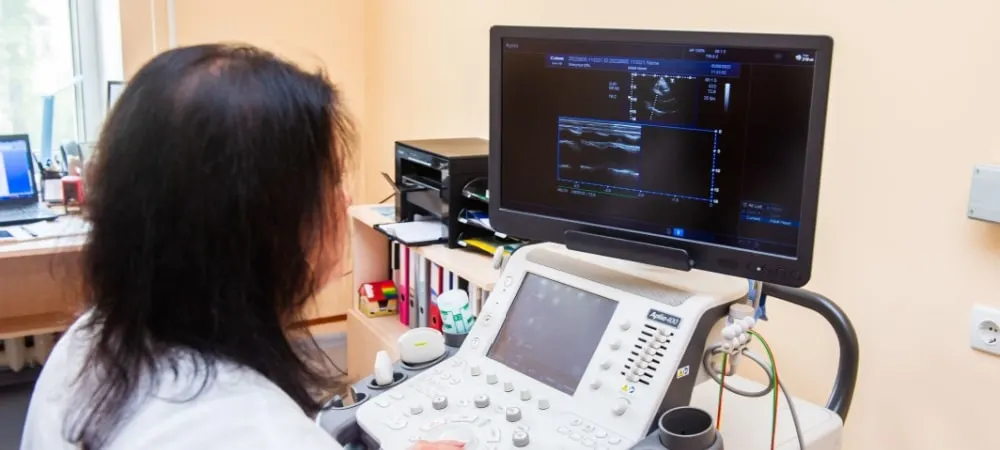
Fetal echocardiography: Fetal echocardiography can help detect abnormalities in the fetus's heart. However, it may not be possible to diagnose all heart diseases before birth with the help of ECHO.
Fetal magnetic resonance imaging: Fetal MRI helps examine the fetus's brain and nervous system, obtaining information that cannot be acquired via ultrasound.
In addition to those listed, anomalies such as cystic fibrosis can be diagnosed with the help of newborn screenings performed after birth.
How Is Anomaly Treatment Performed?
Anomaly treatment varies depending on the type and severity of the birth defect. During the treatment process, the primary goal of experts is to alleviate symptoms, correct structural abnormalities, and prevent potential complications. In the treatment of congenital anomalies such as cleft lip or congenital heart diseases, experts may resort to surgical methods. Additionally, medication therapy may be resorted to in order to treat birth defects or reduce the risk of complications. In some cases, certain medications given to mothers during pregnancy can help correct abnormalities detected in the fetus.
In addition to the aforementioned, physical therapy and rehabilitation in children born with congenital anomalies affecting motor skills, especially such as cerebral palsy, can significantly elevate the child's quality of life by increasing their mobility.
Frequently Asked Questions
Babies born with structural or functional disorders that occur during the developmental process in the mother's womb are called babies with anomalies. Sex-linked chromosome anomalies are genetic disorders that arise as a result of structural or numerical changes in chromosomes that play an important role in determining sex and reproductive functions. For example, Turner syndrome can cause growth retardation and delayed puberty in girls due to a missing or structurally defective X chromosome. Klinefelter syndrome, on the other hand, manifests in boys with symptoms such as less muscle development during puberty and a decrease in sperm production due to having an extra X chromosome. Such chromosome anomalies can sometimes cause serious health problems such as infertility. The anomaly ultrasound is an important screening test performed between the 18th and 21st weeks of pregnancy. During the anomaly ultrasound, experts carefully examine the brain, spine, heart, kidneys, and other organs. In addition, the baby's arms, legs, face, and the condition of the placenta are evaluated during the screening. Thus, the baby's development can be examined in detail, and structural anomalies can be diagnosed at an early stage. An anomaly in the baby can be revealed by a fetal anomaly screening performed before birth, or it can be understood through newborn screenings performed after birth. It may not always be possible to prevent a congenital anomaly. However, the risk of anomalies associated with environmental influences can be reduced with precautions such as avoiding the use of medications not prescribed by a doctor and avoiding alcohol consumption. Additionally, taking care to ensure folic acid intake before pregnancy in planned pregnancies also helps prevent anomalies. Chromosome anomalies generally stem from errors occurring during cell division or genetic mutations. There are several important risk factors in the formation of chromosome anomalies. In individuals with a family history of chromosome anomalies, the risk of seeing a chromosome anomaly may increase due to genetic predisposition. Furthermore, the mother's age is also an important factor. Research shows that the risk of seeing chromosome anomalies may increase in mothers aged 35 and over. Additionally, environmental factors such as exposure to radiation and certain chemicals, or certain infectious diseases, also increase the risk of anomalies. During certain blood tests performed in the pregnancy period, abnormal protein levels in the expectant mother's blood or circulating cell-free fetal DNA may lead experts to suspect a chromosomal disorder. In addition, the accumulation of extra fluid at the back of the baby's neck during ultrasound imaging can also point to chromosome anomalies such as Down syndrome.
Although it is not always possible to prevent or treat congenital anomalies, the risk of complications can be minimized thanks to early diagnosis. Regular check-ups, screenings, and expert support before and during pregnancy are of great importance in this process. Hisar Hospital Intercontinental Department of Gynecology and Obstetrics provides comprehensive healthcare services to women planning a pregnancy or going through a pregnancy process. We are by your side at all stages from pre-natal to post-natal with our experienced physicians in our expert staff, such as Op. Dr. Elif Erol.
Start with the right assessment for Congenital Anomalies: Causes, Symptoms, Types, and Diagnostic Methods
Share your symptoms with our specialist physicians; let us determine the right diagnosis and treatment plan together.
Warning
If your symptoms started suddenly, are progressing rapidly, or significantly restrict your daily life, consult a physician without delay.
Plan your Congenital Anomalies: Causes, Symptoms, Types, and Diagnostic Methods journey with our specialists.
Fill in the form or book an appointment to learn about treatment options, the process and preparation.