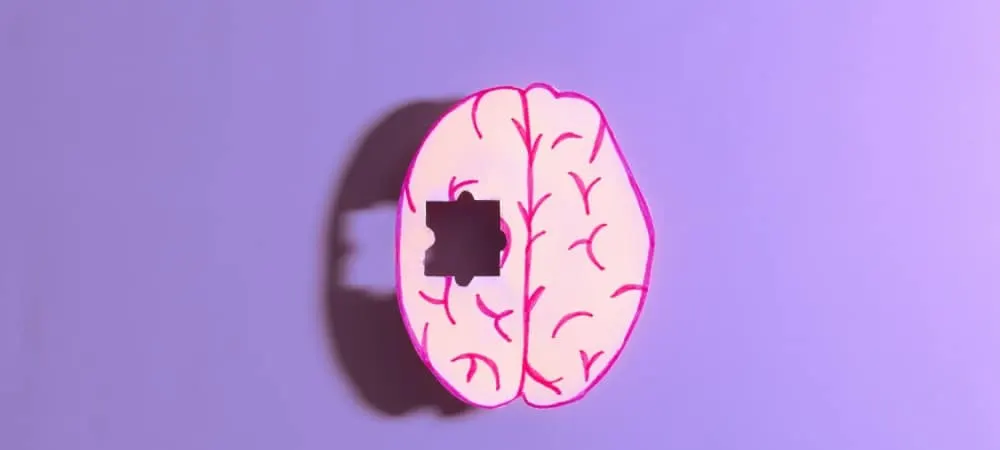
Dementia is a syndrome characterized by a gradual and continuous decline in mental functions that significantly affects a person’s ability to carry out activities in daily life. Although it mostly affects individuals in advanced age groups, dementia can also affect middle-aged adults for various reasons. This progressive health problem manifests as forgetfulness, perception disorders and behavioral changes severe enough to make daily life difficult. However, noticing symptoms in the early stages and making an appointment with a specialist doctor for the necessary examinations can help keep the symptoms under control.
What Is Dementia?
Dementia is a neurodegenerative syndrome that manifests as behavioral changes along with a progressive decline in cognitive functions such as memory, thinking, perception, speech and decision-making ability. Taking its name from the Latin word “demens,” meaning “loss of mind,” the most characteristic feature of this syndrome is that the impairment of cognitive functions is progressive. Also commonly known in Turkish as “bunama,” this syndrome can arise from many different causes that may lead to a decline in cognitive and mental functions. For this reason, specialists do not consider dementia to be a single disease in itself, but rather a syndrome caused by various health problems. In both Turkey and around the world, the number of dementia patients is increasing day by day as the population grows older. Statistics published by the World Health Organization on dementia show that more than 55 million people live with this syndrome, and that this number may increase further if no measures are taken.
Dementia is a syndrome that develops as a result of damage to nerve cells in the brain. Depending on the affected area of the brain, there are different types of dementia, such as Lewy body dementia and frontotemporal dementia. Although many people do not fully understand the difference between dementia and Alzheimer’s, Alzheimer’s disease is one type of dementia. Alzheimer’s, which is known to account for approximately 60–70% of dementia cases, is the most common type of dementia. The main types of dementia are as follows:
Alzheimer’s disease: When people refer to dementia, Alzheimer’s disease is the first thing that comes to mind. The main reason for this is that the large majority of dementia cases are made up of Alzheimer’s patients. Alzheimer’s develops as a result of the abnormal accumulation of amyloid plaques and tau proteins in the brain, which disrupts communication between nerve cells. It initially presents with mild memory impairment, and as it progresses, patients may have difficulty recognizing their relatives and finding places they used to visit frequently.
Vascular dementia: Vascular dementia occurs when blood vessels in the brain become narrowed or blocked, reducing the flow of blood and oxygen to the brain, and the resulting damage to neurons.
Lewy body dementia: The accumulation of proteins called Lewy bodies in the brain disrupts communication between neurons, the nerve cells of the brain. This type of dementia, which accounts for approximately 5–10% of cases, may in some cases also be called Parkinson’s dementia. The most important reason for this is that the main symptoms of Lewy body dementia include typical parkinsonism symptoms such as slowed movements, muscle stiffness and tremor.
Frontotemporal dementia: This type of dementia, which develops as a result of damage to neurons in the frontal (anterior) or temporal (lateral) lobes of the brain, is the most common cause of dementia symptoms seen especially in middle-aged adults.
How Does Dementia Develop?
Dementia can develop under the influence of many factors, especially the natural aging process, genetic factors and unhealthy lifestyle habits. Accordingly, the main dementia risk factors are as follows:
Age: Although age is not a natural consequence of aging, it is one of the main risk factors for dementia. The risk of dementia may be higher in people over the age of 65.
Genetic predisposition: The risk of dementia may be higher in people who have a family history of dementia.
Down syndrome: When people with Down syndrome reach middle age, their risk of developing dementia may be higher than that of healthy individuals.
The factors listed above are the unchangeable causes and risk factors of dementia. However, there are also modifiable risk factors for dementia. These are as follows:
Healthy and balanced nutrition: Deficiencies in certain vitamins and minerals can lead to impaired cognitive functions. A healthy and balanced diet rich in nutrients such as vitamins and minerals may reduce the risk of dementia. Some experts indicate that a Mediterranean-style diet, particularly rich in fruits, whole grains, nuts and seeds, may help preserve cognitive functions.
Excessive alcohol consumption: Excessive alcohol consumption can cause damage to brain cells.
Risk factors associated with cardiovascular diseases: Risk factors that increase the risk of cardiovascular disease, such as health problems like obesity and diabetes, smoking and sedentary lifestyle habits, can also negatively affect cognitive functions.
Hearing loss and vision loss: Although the cause is not fully known, some experts state that people with health problems such as hearing loss and vision loss have a higher risk of developing dementia.
Vitamin deficiencies: Various vitamin and mineral deficiencies, especially vitamin B12 and B6 deficiency, can lead to impaired cognitive functions.
Chronic diseases: Health problems such as kidney and liver failure can increase the risk of dementia.
Infections: Infectious diseases such as meningitis and HIV can damage brain tissue and cause dementia.
Head trauma: Head injuries from various causes can cause damage to nerve cells in the brain.
Neurological diseases: Neurological health problems such as stroke and Parkinson’s disease can increase the risk of dementia.
In addition to those listed, environmental factors such as air pollution, as well as various health problems such as depression or sleep apnea, can also increase the risk of dementia.
What Are the Symptoms of Dementia?
The early symptoms of dementia generally appear as a slight decline in cognitive functions. For this reason, the onset of dementia often may not be noticed by patients or their relatives. However, since this syndrome is progressive, the severity of symptoms may increase over time, and the person may even become dependent on others. The main symptoms of dementia are as follows:
Memory impairment: Memory impairment is the first thing that comes to mind when people refer to the symptoms of dementia. Patients may have difficulty remembering places and faces they were previously familiar with.
Language and communication difficulties: Symptoms such as difficulty finding words, forming sentences or pausing while speaking are frequently seen in patients.
Weakening of thinking and decision-making ability: A person may have difficulty with tasks they previously handled easily in daily life, such as planning, problem-solving and decision-making.
Impaired perception of time and place: Impaired perception of time and place is one of the most common symptoms seen in dementia patients.
Difficulty carrying out daily activities: In advanced stages, patients may become unable to meet their basic needs, such as dressing, eating and personal hygiene.
In addition to the cognitive symptoms of dementia, emotional and behavioral changes such as depression, anxiety, irritability, restlessness and aggression may also occur in patients.
How Is Dementia Diagnosed?
Because dementia is a condition that can arise from many different causes and may present with various symptoms, detailed evaluations are necessary to make an accurate diagnosis. In the first stage of the diagnostic process, the specialist doctor asks patients and their relatives questions such as what symptoms the patient shows, how long these symptoms have lasted and how they have progressed over time. In addition, the patient’s general medical history and whether there are cases of dementia in the family are also investigated. One of the important methods used in diagnosing dementia is neurocognitive testing, which helps assess the patient’s cognitive abilities. These tests, which measure mental functions such as memory, attention, problem-solving, language skills and reasoning ability, can help in understanding the degree of cognitive impairment and which areas are affected.
In addition, specialists may use various laboratory tests to rule out other health problems that may cause dementia-like symptoms, such as vitamin deficiencies, thyroid problems or infectious diseases. Imaging techniques such as computed tomography (CT) and magnetic resonance imaging (MRI) also play an important role in diagnosing dementia. Through these imaging methods, specialists can evaluate whether there are abnormalities in the brain, such as tumors, stroke or fluid accumulation. Positron emission tomography (PET) scans may be performed to examine changes in the brain, such as the protein accumulations commonly seen in the brains of Alzheimer’s patients. Furthermore, when necessary, specialists may also use psychiatric evaluation methods.
How Is Dementia Treated?
During the treatment of dementia, specialists usually plan a treatment process aimed at managing the symptoms of the disease and improving the patient’s quality of life. Treatment processes focus on slowing the progression of the disease and alleviating symptoms. Forgetfulness caused by factors such as side effects of medications, metabolic disorders, brain tumors or head trauma can be reversed with various treatment methods. In irreversible types of dementia, such as Alzheimer’s disease and vascular dementia, specialists aim to alleviate symptoms and slow the progression of the disease when planning the treatment process. During this process, supportive methods such as environmental modifications, steps that make the patient’s daily life easier, physical activity and social interaction are important. Home modifications made for patients’ safety and the re-establishment of certain daily routines can help reduce confusion in patients. Exercise contributes to preserving both physical and mental functions, and may also alleviate mental health problems such as depression.
Frequently Asked Questions
Dementia can develop through a combination of genetic factors and environmental influences. The risk may be higher in people with a family history of dementia, but it cannot be said that genetic factors are decisive in all cases. Today, tests are available to detect certain genetic changes that increase the risk of dementia.
Although dementia cannot be completely prevented, the likelihood of developing the disease can be minimized through lifestyle changes that reduce risk factors. With early diagnosis and treatment, symptoms can be kept under control.
To learn more about bronchitis and explore treatment options, you can contact us.
Your health is important to us! If you have any questions, you can visit our page to make an appointment or get in touch.
Consult our specialists to find the best solution for your health.
Start with the right assessment for What Is Dementia? Symptoms, Types and Treatment Methods
Share your symptoms with our specialist physicians; let us determine the right diagnosis and treatment plan together.
Warning
If your symptoms started suddenly, are progressing rapidly, or significantly restrict your daily life, consult a physician without delay.
Plan your What Is Dementia? Symptoms, Types and Treatment Methods journey with our specialists.
Fill in the form or book an appointment to learn about treatment options, the process and preparation.