Anemia and Iron Deficiency in Childhood
Anemia and iron deficiency are very common health problems in childhood. Red blood cells, which carry oxygen in the body, contain an iron-rich protein called hemoglobin. If sufficient iron is not obtained, this protein cannot be produced, and the number of red blood cells in the blood decreases. As a result, the blood becomes unable to carry enough oxygen to the tissues. Causes of anemia in children include iron deficiency, malnutrition, and chronic diseases. Anemia can develop if rapidly growing infants, children, and adolescent girls do not meet their iron requirements. If anemia and iron deficiency are not treated, they can lead to energy loss, as well as delays in learning and growth in the child. Anemia treatment in children is generally provided through iron supplementation and a balanced diet.
What is Anemia and Iron Deficiency in Childhood?
Anemia means that the red blood cells that carry oxygen in the blood, or the hemoglobin within them, fall below normal levels. Hemoglobin transports oxygen from the lungs to other parts of the body. Iron deficiency occurs when the body does not receive or store enough iron. Iron is an important mineral that the body uses to produce blood. Therefore, when there is an iron deficiency, sufficient hemoglobin cannot be produced, and anemia develops. The most common type of anemia in children is iron deficiency anemia. In this case, the cells in the blood become smaller (microcytic) and paler (hypochromic) because hemoglobin has decreased due to a lack of sufficient iron. If left untreated, iron deficiency anemia in children can negatively affect school success and physical development.
What Are the Causes of Anemia and Iron Deficiency?
The most common answer to the question "Why does anemia occur in children?" is insufficient iron intake. There are various factors that lead to anemia and iron deficiency in children. The primary factor is a diet that does not contain enough iron. Anemia in children can occur when the iron requirement during growth spurts is not met. Causes of iron deficiency in children include early transition to complementary foods and excessive consumption of cow's milk. For example, not providing enough iron-rich foods when transitioning to complementary foods after the 6th month in infancy, vegetarian diets, or hastily implemented weight-loss programs can cause iron deficiency. Additionally, sometimes diseases that impair intestinal absorption (such as celiac disease or chronic diarrhea) or chronic infections reduce iron absorption, leading to deficiency. Rapid growth during adolescence and menstrual bleeding, especially in girls, increases iron loss. Before birth, premature birth, twin/multiple pregnancies, or severe anemia in the mother can prevent the baby's iron stores from being sufficiently filled. When one or more of these reasons occur together, iron deficiency anemia can emerge in the child.
What Are the Symptoms of Anemia and Iron Deficiency?
The symptoms of iron deficiency anemia vary depending on the child's age and the severity of the deficiency. Among the symptoms of anemia in children, fatigue, pale skin, and loss of appetite are frequently seen. In general, the main symptoms associated with anemia are as follows:
Constant Fatigue and Tiredness: The child tires more easily than before and has less desire to play.
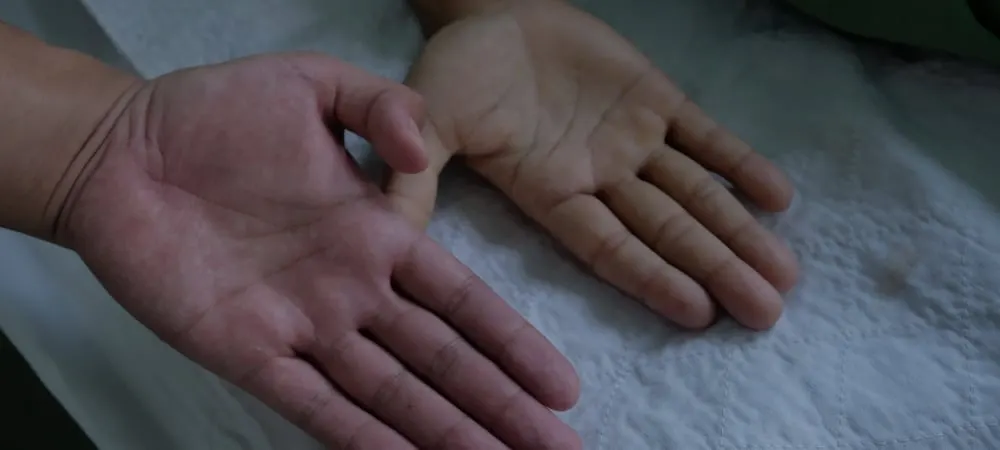
Paleness of Skin and Mouth: Paleness is noticed on the hands, soles of the feet, inside the lips, and nail beds. The child generally looks paler than normal.
Loss of Appetite and Poor Weight Gain: Iron deficiency can reduce appetite; the child may refuse meals, and weight and height gain may slow down.
Dizziness, Headache, and Palpitations: Due to the decrease in blood oxygen, the child may feel headaches or tire quickly; sometimes the heartbeat accelerates (palpitations). Symptoms of iron deficiency in children can also manifest as difficulty concentrating and dizziness.
Shortness of Breath: Especially in young children, shortness of breath may be seen when climbing stairs or during play.
Changes in Skin and Nails: Nails break easily and lines may form on them. Cracks at the corners of the lips and mouth sores may appear.
Distortion of Taste and Pica: The child may start eating non-nutritive substances such as salt, ice, soil, or chalk (pica). This can be an interesting symptom seen in iron deficiency.
Irritability and Concentration Problems: Iron deficiency can cause children to be irritable and tense, and to have short attention spans. They may have difficulty focusing on lessons at school.
Sleep Pattern Changes Due to Fatigue: Families may notice changes in their children's sleep patterns (insomnia or sleeping too much) compared to before.
Developmental Delay: In long-term deficiency, the child's physical and mental development speed slows down. Infants or young children may not be able to acquire skills such as sitting, walking, or talking on time, or they may regress.
Getting Sick More Often: Because iron deficiency can weaken the immune system, which fights infections, the child may get sick frequently.
How is Anemia and Iron Deficiency Diagnosed?
To diagnose anemia and iron deficiency in a child, the doctor first performs a detailed evaluation. As an answer to the question "How is anemia understood in children?", low hemoglobin levels in blood tests can be given as an example. The doctor first asks about information such as the child's eating habits, growth and development speed, medical history, and whether there is genetic anemia in the family. The most important diagnostic test is a complete blood count (CBC). With this test, the number of red blood cells, hemoglobin, and hematocrit values are measured. Being below the lower limit of hemoglobin determined according to the child's age and gender indicates anemia. Anemia due to iron deficiency is usually accompanied by low red blood cell volume (MCV) and hemoglobin concentration (MCHC) (microcytic, hypochromic character). In children diagnosed with anemia, blood tests such as iron levels, ferritin (iron stores), and total iron-binding capacity (TIBC) are performed to understand the cause. If necessary, the doctor may request tests that point to a problem that impairs iron absorption (e.g., celiac disease, chronic blood loss). Especially in cases that do not improve with iron supplementation after diagnosis or in suspicious cases, additional examinations such as hemoglobin electrophoresis (differential diagnosis of hereditary anemia such as thalassemia) or a fecal occult blood test may be performed.
How is Anemia and Iron Deficiency Treated?
In iron deficiency anemia, treatment is primarily to replace the missing iron and correct the cause leading to anemia. General treatment approaches are as follows:
Iron Supplementation: Iron medications are used under doctor supervision for the treatment of iron deficiency in children. Iron medication for children is usually in the form of syrups or drops taken orally.
Dietary Regulation: In addition to medication, it is very important to provide the child with iron-rich foods. Red meat, chicken, eggs, green leafy vegetables, legumes (beans, lentils, chickpeas), dried fruits (raisins, apricots), and iron-fortified cereals should be added to the diet. Consuming these foods together with foods containing Vitamin C, such as oranges, tangerines, and tomatoes, increases iron absorption.
During the treatment process, the family and child are kept under constant follow-up, iron medications are used without interruption, and eating habits are corrected. In this way, anemia improves in a short time and the child returns to normal.
Frequently Asked Questions
For parents wondering "What is good for anemia in children?", iron-rich foods are recommended. The most effective solution for iron deficiency is iron supplementation and iron-rich foods. Iron drops or syrup can be started with a doctor's recommendation. As a diet, animal foods such as red meat (beef, lamb), chicken, fish, egg yolk; dark green leafy vegetables such as spinach, broccoli, arugula; legumes such as lentils, beans, and chickpeas are recommended. Dried fruits such as raisins, dried apricots, and molasses also contain iron. Taking plenty of Vitamin C (such as orange juice, tangerines, red peppers) alongside these foods increases iron absorption. In children who need tea or coffee, it can be allowed occasionally, but it is important that it is not consumed at the same time as meals because tea and coffee reduce iron absorption. The child should be provided with foods containing iron. The main foods are as follows:
Red meat (beef, lamb) and poultry (chicken, turkey),
Types of fish (especially oily fish),
Eggs (especially egg yolk is a source of iron),
Green leafy vegetables (spinach, parsley, chard, broccoli),
Legumes (lentils, chickpeas, dried beans),
Nuts (especially walnuts, hazelnuts, peanuts) and dried fruits (raisins, dried apricots, dried figs),
Whole grain bread or cereals (some are fortified with iron),
Molasses (especially grape or mulberry molasses).
As a first step, a pediatrician or family physician should be consulted. The doctor evaluates the child's complaints, nutrition, and development, and requests a blood test. If there is anemia, it is seen with a complete blood count (hemogram); additionally, iron deficiency is detected with tests such as iron and ferritin. Once diagnosed, the doctor recommends an appropriate dose of iron supplementation (drops, syrup, or tablets) and provides information about the diet. The family should administer iron medications regularly as directed by the doctor, and the child's values should be followed up with periodic blood tests. During the treatment, it is necessary to increase vegetable, fruit, and meat group foods. Beverages such as tea and coffee should be reduced as much as possible, and tea should especially not be given with meals. With all these precautions, the child's iron requirement is met and blood values return to normal. Symptoms of iron deficiency in children include quick fatigue, brittle nails, and restlessness. Untreated or long-unnoticed iron deficiency causes various problems in the child. The child grows slower than normal, and height and weight gain may lag behind. There may also be a delay in mental development. Iron deficiency can affect brain functions, causing difficulty concentrating and learning. Class success may drop, and school performance may decline. Ongoing iron deficiency makes the child feel constantly tired. The desire to play games decreases, and they may not want to participate in activities that require exercise or movement. Iron deficiency can lower resistance to infections. In this case, the child may frequently have colds, flu, or other infections. Iron deficiency can lead to dangerous consequences. Mild deficiencies can be compensated for in a short time, but if left untreated, severe anemia occurs. In this case, because the child's body cannot carry oxygen, fatigue, shortness of breath, and heart palpitations are seen. Very low iron levels can cause damage to the heart muscle and, rarely, even the development of heart failure. Furthermore, untreated anemia negatively affects the child's physical and mental development in the long term. On the other hand, when iron deficiency is treated with the right approach, the danger disappears. With iron supplementation and a diet under doctor supervision, most children return to normal within a few months. Iron deficiency can slow down brain functions in the child, which can lead to a decrease in learning ability and attention span. Iron deficiency in children can lead to developmental delay and learning disabilities. This situation can negatively affect school success in the long term if anemia is not treated. Children with iron deficiency anemia are usually more irritable, restless, and can often be unhappy. Therefore, if your child has extreme irritability and fatigue, it may be a good idea to have anemia tests done. With appropriate treatment, these complaints of irritability and absent-mindedness improve. When diagnosing iron deficiency in children, blood tests are compared with normal values according to age groups. Values below these hemoglobin limits mean anemia exists according to age. Another iron measurement in the blood is the serum iron level. Evaluation is made according to the laboratory's reference range. Jock itch is a condition that can recur, cause uncomfortable symptoms, is contagious, and can become chronic. Therefore, it may not pass completely with home treatment, but home care practices can support the treatment. Washing the groin area with antibacterial soap and drying it thoroughly, using powder for jock itch, preferring loose underwear and trousers, not using synthetic clothing, and using antifungal and analgesic creams can accelerate the treatment process. Please consult the dermatology department specialists for jock itch. Dermatologists may subject you to some evaluations for a definitive diagnosis, and treatment options can be determined.
When you notice symptoms of anemia or iron deficiency in your child, apply to our expert Department of Pediatrics without delay. Support your child's healthy development with early diagnosis and correct treatment.
Start with the right assessment for Anemia and Iron Deficiency in Children: Symptoms, Causes, and Treatment
Share your symptoms with our specialist physicians; let us determine the right diagnosis and treatment plan together.
Warning
If your symptoms started suddenly, are progressing rapidly, or significantly restrict your daily life, consult a physician without delay.
Plan your Anemia and Iron Deficiency in Children: Symptoms, Causes, and Treatment journey with our specialists.
Fill in the form or book an appointment to learn about treatment options, the process and preparation.