Iron Deficiency in Children
What is Iron Deficiency in Children?
Iron deficiency in children is a condition that occurs as a result of insufficient intake or absorption of iron, which is essential for growth and development. Iron is a mineral that the body needs to grow, develop, and produce a substance called hemoglobin. Hemoglobin is a protein in red blood cells that the body uses to carry oxygen. If the body does not get the iron it needs, hemoglobin levels in the blood begin to drop. This basically means that there is not as much oxygen circulating in the blood as there should be. If left untreated, it can negatively affect the child's physical and mental development. Foods rich in iron and the treatment of underlying causes under doctor supervision are important to correct this deficiency.
What Are the Causes of Iron Deficiency in Children?
Iron deficiency in children develops slowly and causes few acute symptoms. As the deficiency worsens, children become pale and weak, eat less, and tire easily. Some of the causes of iron deficiency in children include:
Inadequate iron intake: At 4-6 months of age, babies use the iron stored through the mother during pregnancy. As the baby grows, they need more iron. Consuming fewer iron-rich foods in the child's diet, especially meat, eggs, legumes, dark green leafy vegetables, and grains, triggers this condition. Inadequate iron intake is a harmful condition for children who are in the process of growth and development.
Iron absorption problems: Some children cannot absorb this mineral adequately due to absorption problems in the intestines, even if they get enough iron. Digestive system diseases such as celiac disease can reduce the capacity of the intestines to absorb iron. In addition, consuming excessive amounts of calcium or frequently consuming drinks that prevent iron absorption, such as tea, can also worsen this condition. Such absorption problems cause the body to be unable to meet the iron it needs and lead to iron deficiency over time.
Rapid growth periods: Children need more iron, especially during rapid growth periods from infancy to adolescence. During these periods, the body's need for iron increases, but deficiency occurs when nutrition does not meet this need. For example, as growth accelerates during adolescence, the need for iron increases at the same rate. If enough iron is not taken to meet the need, iron deficiency may develop in the child.
Blood loss: Long-term and low-level bleeding occurring in children can lead to iron deficiency in the body. Especially conditions such as hidden bleeding in the intestines or stomach ulcers can cause continuous but unnoticed blood loss. In addition, heavy menstrual periods can also lead to significant iron loss. Such chronic bleeding can deplete the iron stores present in the body and lead to anemia.
How Does Iron Deficiency Occur in Children?
Iron deficiency in children occurs as a result of the body's inability to meet the iron it needs. This condition usually occurs due to insufficient iron intake, absorption disorders, or failure to meet the increased iron demand. The body uses iron for hemoglobin production. Hemoglobin carries oxygen from the lungs to other parts of the body. When sufficient iron is not taken, the body first begins to use existing iron stores. When the stores are depleted, sufficient hemoglobin cannot be produced, and consequently, anemia develops. Iron deficiency can lead to disorders in children's growth and development processes. Therefore, early diagnosis and treatment are important.
What Are the Symptoms of Iron Deficiency in Children?
The disorder may not cause obvious symptoms until iron deficiency anemia develops. Some of the common symptoms of iron deficiency in children are:
Fatigue and weakness: A constant feeling of fatigue and weakness can be seen in children due to iron deficiency. The feeling of fatigue occurs as a result of the body not carrying enough oxygen because iron deficiency reduces hemoglobin production. The child can tire quickly even in activities they used to do easily, and energy levels drop rapidly.
Pale skin and pallor: One of the common symptoms of iron deficiency is a pale skin color. The pallor in skin color occurs as a result of decreased blood circulation due to the body's inability to produce sufficient amounts of red blood cells. This pallor becomes more pronounced especially on the face, lips, and nail beds.
Difficulty concentrating: Iron deficiency affects brain functions, leading to difficulty concentrating in children. When sufficient oxygen is not carried to the brain, the child may have difficulty focusing on lessons. This condition manifests itself with learning difficulties and a drop in school performance.
Headache and dizziness: Children with iron deficiency may frequently experience headaches and dizziness. The reason for this is that sufficient oxygen is not carried to the brain, which leads to a feeling of pressure and discomfort in the head. Dizziness can become more pronounced especially when standing up suddenly or moving.
Loss of appetite and weight loss: Iron deficiency can lead to loss of appetite and consequently weight loss in children. Children may become uninterested even in foods they normally like and may refuse to eat.
Frequent infections: Iron deficiency can cause the immune system to weaken, which leads to the child getting infections frequently. The body needs iron to fight infections, but when there is an iron deficiency, this capacity decreases.
Brittle nails: Iron deficiency can cause brittleness and thinning in children's nails. Nails can break easily, peel, and grow slower than normal.
Pica: Pica is a rare but important symptom of iron deficiency in children. This symptom is seen with the child's desire for substances that are not normally eaten, such as soil or clay.
How Is Iron Deficiency Diagnosed in Children?
In most cases, the disorder is diagnosed with simple blood tests. Routine anemia screening is done because anemia is common in children and they usually have no symptoms. Some of the tests used in diagnosing iron deficiency in children are:
Complete blood count (CBC): The first step in diagnosing iron deficiency is to perform a complete blood count test. This test measures the number of red blood cells, hemoglobin level, and hematocrit ratio. Low hemoglobin levels may indicate iron deficiency. In addition, the reduction in the size of red blood cells (microcytosis) and their pale color (hypochromia) are also among the findings indicating iron deficiency.
Serum ferritin test: Ferritin is the way iron is stored in the body, and the serum ferritin test measures the fullness level of iron stores in the body. Low ferritin levels indicate that iron stores are depleted and there is a risk of developing iron deficiency anemia. This test is quite effective in diagnosing iron deficiency even in its early stages.
Serum iron test: The serum iron test measures the amount of iron in the blood and helps determine how severe the iron deficiency is. This test is usually done together with the iron-binding capacity test. Low serum iron levels indicate that iron is not sufficiently present in the body and there may be problems in carrying oxygen to cells.
Total iron-binding capacity (TIBC): The TIBC test measures the iron-carrying capacity of transferrin proteins in the blood. In iron deficiency, TIBC is usually high because the body tries to bind more iron.
Imaging and other diagnostic tests: If an underlying cause is suspected in children, for example, such as gastrointestinal bleeding, imaging methods such as endoscopy or colonoscopy can be applied. In addition, advanced examinations such as bone marrow biopsy may be required in the presence of chronic diseases or severe iron deficiency cases.
How Is Iron Deficiency Treatment Performed in Children?
Treatment is planned depending on the child's symptoms, age, general health condition, and the severity of the symptoms. Some of the iron deficiency treatment methods in children are:
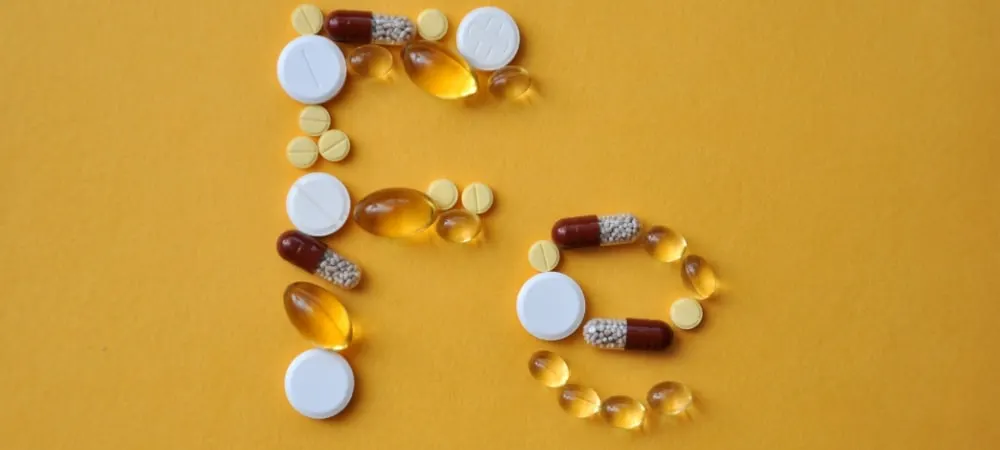
Iron supplements: The most common way to treat iron deficiency is the use of iron supplements given by the doctor. These supplements are usually in the form of syrup, tablets, or capsules, and the dosage is determined according to the child's age and needs. In addition, it is recommended to be taken together with foods containing vitamin C to increase iron absorption.
Consumption of iron-containing foods: Increasing iron-rich foods in the diet is an important part of the treatment. Foods such as red meat, chicken, fish, eggs, lentils, beans, and dark green leafy vegetables help meet the iron need naturally. To increase iron absorption, it is recommended that these foods be consumed together with fruits and vegetables containing vitamin C.
Medical Supplements: Foods containing iron and extra supplements can be added to the treatment process by the doctor in some cases. Milk and dairy products enriched with iron can be given to children with iron deficiency.
Intravenous (IV) iron treatment: In cases of severe iron deficiency or cases where iron supplements are not sufficient, intravenous iron infusion may be preferred. This method ensures that iron is given directly into the bloodstream and offers a faster recovery process. IV iron treatment is usually applied in a hospital or clinic setting and requires regular monitoring during the treatment process.
Frequently Asked Questions
The disorder can negatively affect growth and development because iron is a critical mineral for the body's energy production and oxygen transport functions. Long-term deficiency can lead to cognitive development delays, learning difficulties, and attention deficit. In addition, it can cause the immune system to weaken, making children more sensitive to infections. Child health and diseases or pediatric hematology departments deal with the condition of iron deficiency in children. These specialists monitor the children's growth and development and create an appropriate treatment plan for its treatment and management. Parents of children with iron deficiency should regularly follow the treatment program recommended by the doctor and include iron-rich foods in their children's eating habits. In addition, taking fruits and vegetables containing vitamin C is also important for increasing iron absorption. Consuming iron-rich foods is good for iron deficiency in children. These foods include red meat, chicken, fish, eggs, and green leafy vegetables. In addition, fruits and vegetables containing vitamin C can be included in the diet to increase iron absorption. Treatment applications recommended by the doctor also help eliminate the deficiency. The disorder can cause headaches. Iron is an important mineral that supports the brain's adequate oxygen intake. Iron deficiency can negatively affect brain functions, leading to symptoms such as headaches and difficulty concentrating.
Iron deficiency in children is a common condition and can lead to serious health problems if treatment is delayed. Therefore, if you notice symptoms of iron deficiency in your child, you can make an appointment without wasting time from Hisar Hospital Intercontinental Pediatrics or PEDIATRIC HEMATOLOGY AND ONCOLOGY departments and consult our specialist physicians.
Start with the right assessment for Symptoms, Causes, and Effective Treatment Methods for Iron Deficiency in Children
Share your symptoms with our specialist physicians; let us determine the right diagnosis and treatment plan together.
Warning
If your symptoms started suddenly, are progressing rapidly, or significantly restrict your daily life, consult a physician without delay.
Plan your Symptoms, Causes, and Effective Treatment Methods for Iron Deficiency in Children journey with our specialists.
Fill in the form or book an appointment to learn about treatment options, the process and preparation.