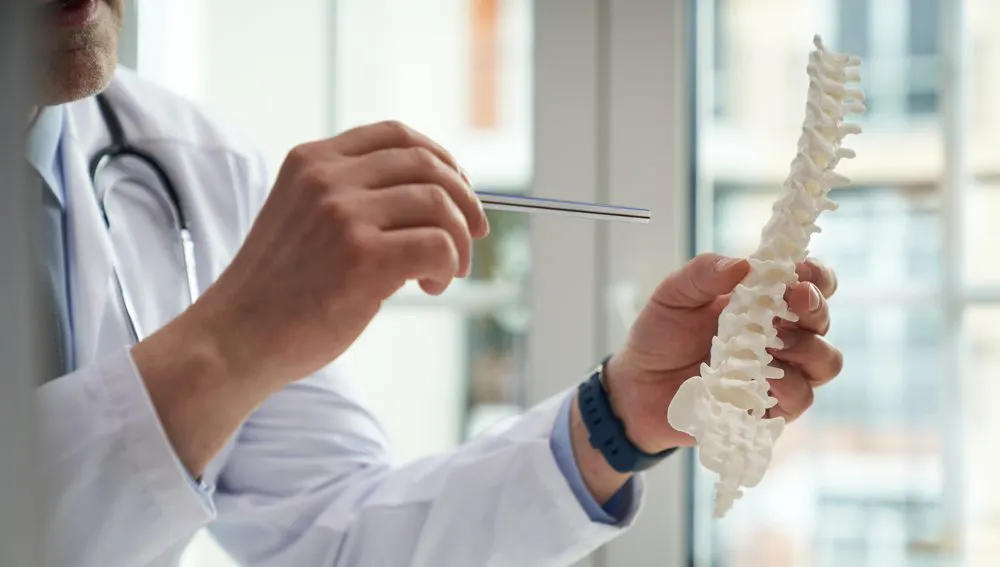
The spine is, by its structure, a structure with natural curves. This natural curvature of the spine, also known as lumbar lordosis, helps keep the body's center of gravity aligned over the hips and pelvis. These curves also help absorb and distribute the stress that arises as the body moves. However, in some cases, the structure of these natural curves of the spine may be disrupted. The loss of any one of these natural curves of the spine can cause a change in the body's center of mass, leading to imbalances in the body. In this case, it may lead to lumbar flattening. If you would like to read the rest of the article for more comprehensive answers to questions such as what lumbar flattening, also known as hypolordosis, is and what causes it, you can continue reading.
What Is Lumbar Flattening? What Causes It?
Hypolordosis is a term that refers to a decrease or flattening of the normal inward curve of the lower back. The word hypolordosis is of Greek origin and means backward bending. The lumbar region of the spine naturally takes shape with an inward curve. However, in hypolordosis, this curve is less pronounced than normal or has completely flattened.
Hypolordosis can generally arise due to various causes. One of the primary causes is a sedentary lifestyle. Prolonged sitting or decreased physical activity can lead to weakening of the lower back muscles and, consequently, the development of hypolordosis. Poor posture is also among the causes of hypolordosis. Particularly during prolonged sitting or standing when proper posture cannot be maintained, the curve in the lower back may decrease. This condition may result from poor positional habits and unbalanced loading on the spine.
Hypolordosis may also be associated with aging, trauma or some spinal diseases. For example, conditions such as osteoporosis can cause weakening of the spinal bones and a decrease in the curve of the lower back.
What Are the Symptoms of Lumbar Flattening?
Symptoms of hypolordosis may vary from person to person. However, the following symptoms are among the commonly seen ones:
Low back pain: Hypolordosis generally causes low back pain. The decrease or flattening of the curve in the lower back can affect the balance of load on the spine, which may lead to pain. Low back pain is generally felt in the lower part of the back and may increase after prolonged sitting or activity.
Stiffness and tension: In hypolordosis, the muscles and tissues of the lower back may become stiff and a feeling of tension may develop. This can lead to restricted movements and make daily activities difficult.
Postural disorder: Hypolordosis results in the loss of the normal inward curve of the lower back. This may lead to impaired posture and flattening of the spine. The person may have difficulty keeping their back straight and may be unable to maintain the natural curve of the spine.
Weak abdominal muscles: Hypolordosis may lead to weakening of the abdominal muscles. Weakness of the abdominal muscles can cause difficulties in supporting the lower back and contribute to a decrease in the curve of the lower back.
Limited movement: Because hypolordosis affects the curve of the lower back, it may cause restriction of movements. In particular, a decrease in the flexibility of the lower back may occur, and bending, leaning forward and twisting movements may become difficult.
How Does Lumbar Flattening Develop?
When the spine loses one or more of its natural lumbar curves, a reverse spinal stress arises that puts pressure on the spinal discs and vertebrae. This reverse spinal stress leads to compression of the vertebrae and discs, causing the spine to flatten. Having a flat spine causes the back muscles to stretch unnaturally. It may also pull the front hip muscles, leading to their stretching as well. As a result, pelvic tilts may develop. The body begins to expend much more energy to tolerate these imbalances. This energy expenditure may disrupt the neuromuscular system and cause abnormal neuromuscular problems such as disc degeneration and joint pain.
How Is Lumbar Flattening Diagnosed?
The following methods may be used to diagnose hypolordosis:
Physical Examination: A physician performs a physical examination to evaluate the curve in the lower back. They may assess the regularity of the curves on the spine and the decrease in the curve of the lower back. They may also inquire about symptoms such as low back pain, stiffness and limited movement.
X-ray: An X-ray may be taken to diagnose hypolordosis in the lower back. X-ray images show the condition of the curves in the spine and can help confirm hypolordosis.
Magnetic Resonance Imaging (MRI): MRI provides detailed images of the spine. In hypolordosis, MRI images may show that the curve in the lower back has decreased or flattened. Additionally, any injury or signs of disease on the spine can also be detected.
Computed Tomography (CT): CT scanning can provide more detailed images of the spinal structure. It can be used to evaluate the curve in the lower back. It may also help identify bone deformities or lesions on the spine.
Electromyography (EMG): In cases of low back pain and muscle weakness caused by hypolordosis, an EMG test may be performed. This test measures the electrical activity of the muscles in the lower back and can help determine the cause of muscle weakness.
How Is Lumbar Flattening Treated? What Are the Treatment Methods?
Treatment of hypolordosis focuses on restoring the normal inward curve of the lower back and reducing low back pain. Treatment methods may include the following:
Exercise: Specific exercises to strengthen the muscles of the lower back and increase flexibility are important. Exercise programs targeting the back, abdominal and hip muscles can help correct and stabilize the curve in the lower back. Appropriate exercises performed under the supervision of a physiotherapist or specialist can be effective in the treatment of hypolordosis.
Posture Correction: Correcting poor postural habits is important for restoring the curve in the lower back. Focusing on correct sitting, standing and walking positions can ensure proper alignment of the spine. Correct habits can be acquired through appropriate posture correction exercises and posture training.
Physiotherapy: Physiotherapy can help correct the curve in the lower back and reduce low back pain. Physiotherapists try to correct spinal alignment and muscle balance using special techniques. In addition, assistive devices such as a lumbar belt or corset may be used to support the lower back.
Pain Management: Pain management strategies may be applied for patients with hypolordosis who have low back pain. These may include methods such as medication therapy, hot and cold applications, massage or acupuncture. Pain management aims to help the patient relax and support recovery during the treatment process.
Surgical Intervention: Although surgical intervention is generally not required in the treatment of hypolordosis, surgical correction may be considered in some rare cases. Surgical options may be evaluated especially if there are severe spinal deformities or specific underlying spinal diseases. However, this is a case-specific decision and depends on your physician's recommendations.
The methods used in the treatment of hypolordosis may be individual. The treatment approach is determined according to the patient's condition, symptoms and underlying causes. Therefore, an appropriate treatment plan is determined as a result of evaluation by a physician or specialist. The effectiveness of treatment can be increased by applying it regularly and consistently and following your physician's instructions. An important point in the treatment of hypolordosis is taking preventive measures and making lifestyle changes. These may include:
Adjusting sitting and working arrangements: When sitting for long periods or working at a desk, it is important to develop good posture and habits of taking breaks. Proper ergonomic supports and regular breaks can help protect the lower back.
Setting aside time for physical activity regularly: Maintaining an active lifestyle and exercising regularly can help strengthen the muscles of the lower back and help maintain the natural curve of the spine. Activities such as swimming, walking and yoga may be preferred.
Weight control: Losing excess weight can reduce the load on the lower back and improve hypolordosis. A balanced diet and regular exercise can help maintain a healthy weight.
Posture training: Learning correct postural positions and applying them in daily life is important. Posture training can contribute to correcting hypolordosis by ensuring proper alignment of the spine.
Frequently Asked Questions
You can find answers to frequently asked questions about lumbar flattening in the remainder of the text. This condition usually does not correct itself, but with treatment and appropriate management, symptoms can be kept under control. The pain caused by hypolordosis is generally felt in the lower back. This pain may be constant or recurrent. The severity and character of the pain may vary from person to person. Wearing a corset may be considered a treatment method that can help correct hypolordosis. However, since the underlying cause of hypolordosis is structural changes in the spine or imbalances in muscle balance, it is not completely corrected by using a corset alone. A person with hypolordosis should prefer a supine or side sleeping position and use an appropriate pillow to support the lower back while sleeping. Imaging methods such as X-ray, magnetic resonance imaging (MRI) or computed tomography (CT) can be used to diagnose hypolordosis. These imaging methods can evaluate the structure and curve of the spine in detail. In hypolordosis, the normal inward curve of the lower back may be seen to be flattened or reduced. It cannot be said that hypolordosis directly causes a hernia. Hypolordosis occurs due to structural changes in the spine or imbalances in muscle balance.
However, hypolordosis may affect spinal stability by affecting the curve of the lower back. This may cause the discs or spinal structure in the lower back to be further strained or exposed to excessive pressure. Risk of hernia formation may increase as a result of prolonged or repeated strain. If hypolordosis is not treated, flattening or loss of the curve in the spine may continue. This may lead to problems such as low back pain, back pain, muscle weakness, limited movement and postural disorders. In addition, excessive pressure on the discs and degenerative changes may occur. The department concerned with hypolordosis is Physical Therapy and Rehabilitation or Orthopedics. There is no herbal treatment for hypolordosis. Treatment of such conditions generally includes methods such as physical therapy, exercise and posture-correcting devices. People with hypolordosis can do sports. However, it is important to apply correct techniques and choose appropriate exercises when doing sports. It is necessary to consult a specialist before doing sports and create an appropriate exercise program. A specialist physiotherapist or sports coach can help in selecting sports activities suited to the individual and teaching correct techniques. In this way, it may be possible to protect back and spinal health while doing sports. If you think you have symptoms of lumbar flattening, do not neglect to apply to the nearest healthcare facility for early diagnosis and treatment.
Start with the right assessment for Lumbar Flattening (Hypolordosis): What Causes It? What Are the Treatment Options?
Share your symptoms with our specialist physicians; let us determine the right diagnosis and treatment plan together.
Warning
If your symptoms started suddenly, are progressing rapidly, or significantly restrict your daily life, consult a physician without delay.
Plan your Lumbar Flattening (Hypolordosis): What Causes It? What Are the Treatment Options? journey with our specialists.
Fill in the form or book an appointment to learn about treatment options, the process and preparation.