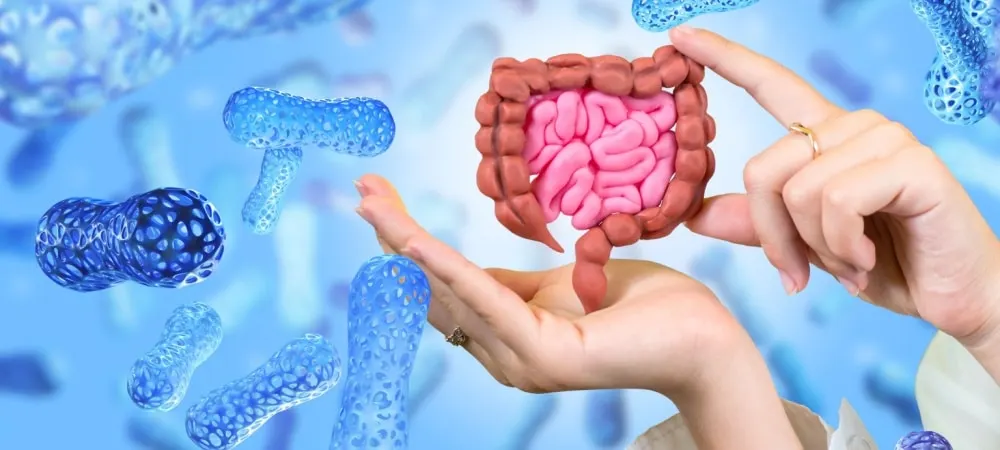
Intestinal Infection in Infants
Intestinal infection in infants is one of the health problems that parents worry about most. Although intestinal infection is a common health problem in infants, if it is not treated early it can cause serious complications such as dehydration (fluid loss) in the body. For this reason, if symptoms such as diarrhea, vomiting or loss of appetite are present in an infant, it is important to consult a healthcare facility.
What Is Intestinal Infection in Infants?
Intestinal infection in infants is a common infectious disease caused by microorganisms such as viruses, bacteria and parasites. Also called gastrointestinal (GI) infection or gastroenteritis, intestinal infection usually presents with symptoms such as diarrhea, abdominal pain and vomiting. According to the World Health Organization, intestinal infection is the main cause of diarrhea cases seen in infants and children. If these infections are not treated early, they can cause serious fluid loss (dehydration) in infants and pose a life-threatening risk.
How Does Intestinal Infection Occur in Infants?
Microorganisms such as viruses, bacteria and parasites can enter the bodies of living beings through different routes and cause infectious diseases. One of the routes by which these microorganisms enter the body is the fecal-oral route. In other words, harmful pathogens in stool that somehow spread into the environment and are transmitted by mouth to healthy people can cause infectious diseases. Accordingly, the main causes of intestinal infection in infants are as follows:
● Viruses: One of the most common causes of intestinal infection in infants is viruses, especially norovirus and rotavirus. Noroviruses are highly contagious viruses that cause various gastrointestinal infections, mainly vomiting and diarrhea. Norovirus is responsible for approximately 18% of diarrhea cases worldwide. Some studies show that approximately 1 million children are infected with norovirus each year. Another virus that causes intestinal infection in infants is rotavirus. Today, some vaccines have been developed against rotavirus. It has been reported that with the rotavirus vaccine, the risk of the virus causing serious complications can be prevented by 90%.
● Bacteria: Bacteria such as Salmonella and Escherichia coli (E. coli), which can spread through contaminated water and food, are among the leading causes of intestinal infection in infants. E. coli can generally be transmitted through food and drink contaminated with animal feces or through direct contact with an infected person, while Salmonella is generally transmitted by consuming undercooked eggs, chicken, meat, milk and dairy products.
● Parasites: Parasites such as Giardia or cryptosporidiosis can also cause intestinal infection in infants.
Infectious diseases caused by the microorganisms listed above can often resolve on their own. However, since intestinal infection can cause serious complications in an infant, it is important to consult a specialist physician without delay, especially if symptoms such as bloody diarrhea or prolonged vomiting occur.
What Are the Symptoms of Intestinal Infection in Infants?
Symptoms of intestinal infection may vary in infants depending on the severity of the infection. However, the most common symptoms of GI infections are diarrhea and vomiting. Symptoms of intestinal infection in infants are as follows:
● Diarrhea,
● Retching or vomiting,
● Abdominal pain,
● Restlessness,
● Loss of appetite,
● In some cases, presence of blood and/or mucus in the stool.
Symptoms such as the absence of tears when the baby cries, or not urinating for several hours, may indicate fluid loss.
How Is Intestinal Infection Diagnosed in Infants?
Diagnosis of intestinal infection in infants usually begins with specialists evaluating the baby's medical history and symptoms. The specialist physician first examines the baby. At this stage, it is checked whether there are visible symptoms such as restlessness or abdominal distension. At the same time, to assess whether fluid loss has developed in the baby due to the diarrhea and vomiting caused by the infection, specialists check the elasticity and moisture of the baby's skin, the tongue, the oral mucosa and the moisture of the eyes; if dehydration is present, they determine the degree of fluid loss and decide on the treatment approach.
When an intestinal infection is suspected, some tests are used to identify the source of the infection and plan the treatment process. The most important of these is taking a stool sample. Examining the stool sample taken from the baby in a laboratory can help identify some bacteria, viruses and parasites that cause the infection. In addition, specialists may use blood tests to evaluate the baby's body's response to the infection or whether fluid loss has developed. For example, a high white blood cell count on a blood test may indicate the presence of an infection in the baby; an elevated urea level may be an indicator of fluid loss.
How Is Intestinal Infection Treated in Infants?
Treatment of intestinal infection in infants varies depending on the type of microorganism causing the infection and the baby's general health condition. The primary goal of treatment is to replace the fluid the baby has lost. If severe signs of dehydration appear in the baby, treatment may need to be carried out in a hospital.
In most cases of intestinal infection, ensuring that the baby takes in enough fluids can help the infection resolve on its own within a few days. Specialists may prescribe antibiotics for bacterial infections such as Salmonella and E. coli; however, since antibiotics carry the risk of harming beneficial bacteria in the intestines, antibiotic treatment is not used unless absolutely necessary. Antibiotics are also not effective against viral infections. Therefore, when signs of intestinal infection appear in a baby, antibiotic treatment should not be started without consulting specialists.
One of the most common causes of intestinal infection in infants is rotavirus. Today there is no drug that is effective in treating rotavirus infection. The infection is generally expected to resolve on its own within a few days. During this process, it is very important to ensure that the baby does not become dehydrated. In babies whose fluid balance cannot be corrected despite oral fluid intake, or babies who vomit a lot, providing fluid support through intravenous serum is very important. In preventing rotavirus infections, which most commonly cause intestinal infection in those aged between 6 months and 2 years, or in reducing the severity of the infection, rotavirus vaccines given early after birth are of great importance.
Infectious diseases caused by parasites such as giardiasis also generally resolve on their own. Since the baby is at risk of losing fluid, specialists may prescribe antiparasitic drugs instead of waiting for the infection to pass on its own.
Gastrointestinal infections can cause symptoms such as diarrhea and vomiting that may lead to fluid loss in infants. With diarrhea and vomiting, babies can lose large amounts of fluid. This can lead to disruption of the baby's body fluid and electrolyte balance, and to inadequate blood supply to organs due to reduced circulating blood volume, and at a late stage to serious organ failure. For this reason, the most important step in treating intestinal infection in infants is maintaining the baby's body fluid and electrolyte balance. It is important to give the baby sufficient water, and to breastfeed babies who are fed breast milk frequently at short intervals. Babies who have started complementary foods can be given easily digestible foods such as rice porridge, mashed potato, banana or carrot juice. Yogurt and ayran (a yogurt drink) also contribute to fluid, protein and calorie intake and support the maintenance of a healthy intestinal flora balance. Infants have very low tolerance for fluid loss, and their body fluid balance can easily be disrupted. In cases where fluid loss in the baby is severe, specialists may decide to provide fluid replacement via a vein.
What Can Be Done to Prevent Intestinal Infection in Infants?
Intestinal infection in infants can cause serious complications, especially in newborns. Although the pathogens that cause intestinal infections are highly contagious, some measures can help protect against infection. Some suggestions that may help prevent intestinal infection in infants are as follows:
● Family members washing their hands after every toilet use,
● Washing the child's hands with soap and water after using the toilet,
● Washing hands before feeding the baby and after changing the diaper,
● Regularly cleaning the baby's toys, the diaper-changing table and faucets,
● Washing fruits and vegetables thoroughly with plenty of water before giving them to the baby,
● Making sure animal products such as eggs are well cooked,
● Keeping the baby away from unclean water sources.
Although it is not always possible to prevent intestinal infection in infants, the methods listed above can help minimize the risk and prevent the infection from spreading to other family members.
Frequently Asked Questions
The main cause of intestinal infection in infants is harmful pathogens such as viruses, parasites and bacteria. Among viral causes, the most common agents are norovirus and rotavirus infections. In addition to viruses, bacteria such as salmonella and E. coli, which are generally transmitted through the consumption of contaminated food and drink, can also cause intestinal infection in infants. Since microorganisms that cause intestinal infection pass to the baby by the oral route, hand hygiene of caregivers and the cleanliness of toys and other items the baby puts in its mouth are very important. Gastrointestinal infections in infants often resolve on their own without requiring any medical treatment. The most important point parents should pay attention to during this period is ensuring that the baby receives adequate fluid replacement. Specialists may prescribe antibiotics if needed for the treatment of bacterial infections. The most important element in treating stomach/intestinal infections is fluid replacement. Ensuring that the baby drinks plenty of fluids during treatment can help maintain fluid and electrolyte balance. In addition, ensuring the baby rests and changing the diaper more frequently to prevent diaper rash can help soothe the baby. Intestinal infection in babies and children often presents with symptoms such as vomiting, nausea, diarrhea and abdominal distension. Stool that is more watery than usual and passed more frequently than normal may indicate an infection. In addition, some babies may also have fever along with gastrointestinal symptoms. Feeding plays an important role in babies recovering from intestinal infection. It is important to continue breastfeeding babies who are fed breast milk and, if the baby refuses to suckle, to breastfeed in small amounts at more frequent intervals. During this period, easily digestible foods should be preferred over foods that may worsen diarrhea in the baby. Babies who have started solid foods can be given solid foods such as pasta, rice porridge, mashed potato, banana or crackers. Drinks such as cow's milk and apple juice, as well as fatty and spicy foods, may worsen the baby's symptoms. Early diagnosis and treatment of intestinal infections in infants is critically important for preventing serious health problems. If your baby has symptoms such as diarrhea, vomiting or fever, we recommend that you consult the Hisar Hospital Pediatrics and Children's Health Department without losing time. Contact us right away to make an appointment.
Start with the right assessment for What Is Intestinal Infection in Infants? Symptoms and Treatment Options
Share your symptoms with our specialist physicians; let us determine the right diagnosis and treatment plan together.
Warning
If your symptoms started suddenly, are progressing rapidly, or significantly restrict your daily life, consult a physician without delay.
Plan your What Is Intestinal Infection in Infants? Symptoms and Treatment Options journey with our specialists.
Fill in the form or book an appointment to learn about treatment options, the process and preparation.