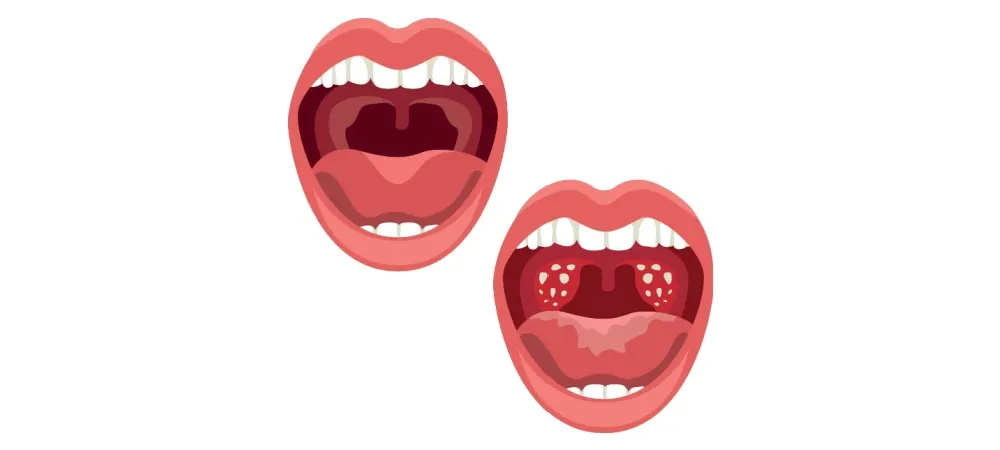
Tonsil Stone
Tonsils are lymphoid tissues located on both sides of the throat that are part of the immune system. While fighting germs to protect the body against infections, small, hard, lime-like structures can sometimes form within these tissues. These structures are called tonsil stones. Although they are generally harmless, they can manifest with symptoms such as bad breath, difficulty swallowing, and discomfort in the throat.
What is a Tonsil Stone?
Tonsil stones, medically known as tonsilloliths, are small, yellowish-white masses formed by the hardening of calcium, phosphorus, and other minerals that accumulate in the small pits and crevices on the surface of the tonsils over time. These stones are usually a few millimeters in size but can sometimes reach larger dimensions.
Tonsils are lymphoid tissue structures located on both sides of the throat and are an important part of the immune system. These tissues form the first line of defense against bacteria, viruses, and other harmful microorganisms that enter the body through the mouth and nose. Natural pits called crypts on the surface of the tonsils can sometimes cause food debris, dead cells, mucus, and bacteria to accumulate. Over time, these accumulations mix with minerals and harden, resulting in the formation of tonsil stones. This condition is seen more frequently in adults because the structure of the tonsils changes with age, and the crypts become deeper. Tonsil stones are generally harmless but can appear with uncomfortable symptoms. Therefore, a tonsil stone removal procedure may be necessary.
What Are the Symptoms of Tonsil Stones?
Tonsil stone symptoms can vary from person to person, and in some individuals, they may remain unnoticed without causing any symptoms at all. However, they often manifest with the following symptoms:
Bad Breath (Halitosis): The most common symptom of tonsil stones is bad breath. The odor of tonsil stones is caused by sulfur compounds produced by bacteria accumulating within the stones. The odor usually becomes more pronounced in the mornings and does not go away with normal oral care.
Discomfort in the Throat or Sensation of a Foreign Body: A feeling of fullness on one or both sides of the throat, stinging, or the feeling as if something is stuck is common. This is caused by the pressure the stones exert in the tonsil pits.
Difficulty Swallowing: Large tonsil stones can cause a stinging or painful sensation in the throat when swallowing. This condition becomes more uncomfortable, especially when swallowing solid foods.
Ear Pain: Although the stones do not directly affect the ear, the throat and ear are connected via the same nerve pathways. Therefore, some patients may feel pain in the ear in the presence of stones.
Visible White Spots on the Tonsils: Some individuals who examine the inside of their mouth with a mirror may notice small white or yellow dot-like structures on the tonsils. These structures are usually tonsil stones.
Coughing and the Need to Clear the Throat: Stones that cause discomfort in the throat can lead to a constant need to clear the throat or cough. This condition may become more pronounced, especially in dry environments.
Pharyngitis-like symptoms: Tonsil stones can sometimes coexist with pharyngitis. Both conditions can cause sore throat, difficulty swallowing, and a feeling of discomfort.
What Causes Tonsil Stones?
The causes of tonsil stones can stem from a combination of several different factors. Among these, the individual's tonsil structure, lifestyle, and health history are influential. The most common causes are:
Tonsil Anatomy: Some individuals have tonsils with deeper pits (crypts). These indentations create suitable areas for food and mucus to accumulate. Over time, these deposits can turn into stones.
Frequently Recurring Tonsil Infections: Chronic tonsillitis damages the surface of the tonsils and causes more debris to accumulate. This facilitates stone formation.
Poor Oral Hygiene: Failure to clean the tongue and oral cavity sufficiently creates a breeding ground for bacteria and the formation of stones in the tonsils.
Smoking: Smoking reduces saliva production and can negatively affect oral flora, facilitating stone formation.
Dry Mouth: Dry mouth caused by factors such as insufficient fluid intake, certain medications, or sleeping with the mouth open reduces the cleansing effect of saliva and increases the risk of stones.
Gastroesophageal Reflux Disease (GERD): The rise of stomach acid into the esophagus and throat can contribute to irritation of the tonsil tissue and stone formation.
Age factor: With age, the structure of the tonsil tissue changes, and the crypts become more prominent.
Dietary habits: Sugary and processed foods support bacterial growth in the mouth. This can lead to the formation of stones.
How Are Tonsil Stones Diagnosed?
Tonsil stone diagnosis is usually made based on the patient's complaints and a physical examination. Complaints are focused on bad breath and a feeling of discomfort in the throat. The doctor can detect the stones on the surface of the tonsils by examining the inside of the mouth with the help of a light source and a spatula. Patients can also see the stones by opening their mouths in a mirror, but a doctor's examination is essential for a definitive diagnosis. In some cases, stones may be hidden deep within the tonsils. In such cases, more advanced imaging methods may be needed. These can be listed as follows:
Endoscopic Examination: An endoscopic camera can be used for a more detailed examination of the throat. This method also allows for the visualization of deeply located stones.
Radiological Imaging: In rare cases, especially if very large stones are involved, the diagnosis can be supported by X-ray or CT (Computed Tomography).
Laboratory Tests (Rare): If there is a suspicion of infection, a throat culture can be taken to determine the type of bacteria.
How Are Tonsil Stones Treated?
Tonsil stone treatment varies depending on the size, number, and the discomfort caused by the stones. Treatment may not be necessary for small, asymptomatic stones. However, intervention may be required in some cases. Tonsil stone treatment methods can be listed as follows:
Home Cleaning Methods: Tonsil stone removal can be performed at home for small stones. The stone can be pushed out by gently pressing with a cotton swab. Using an oral irrigator can also help clean the stones. Gargling with warm salt water provides both hygiene and facilitates the removal of tonsil stones. However, while applying these methods, the tonsils should not be damaged, and excessive force should not be applied.
Antibiotic Treatment: If an infection is present along with the stones, the doctor may recommend antibiotic treatment. However, antibiotics do not dissolve the stones; they only control the inflammation.
Medical Mouthwashes: Antiseptic mouthwashes may be recommended to reduce bacterial growth. These mouthwashes also alleviate bad breath.
Cauterization (Surface Burning): The pits on the tonsil surface can be closed with minor interventions. The tonsil surface can be smoothed using methods such as laser or radiofrequency to prevent stone formation.
Tonsil Surgery (Tonsillectomy): If tonsil stones form very frequently, if there is severe bad breath or difficulty swallowing, and if it reduces the quality of life, the complete removal of the tonsils for the purpose of removing tonsil stones may be considered. This procedure is usually performed under general anesthesia and provides a permanent solution.
In the post-tonsillectomy period, the patient should be careful about nutrition and hygiene. The recovery process usually takes 1-2 weeks, and soft foods should be preferred during this period.
Frequently Asked Questions
Tonsil stones are small white or yellow stones formed by the hardening of mucus, dead cells, food debris, and bacteria that accumulate in the indented surfaces (crypts) of the tonsils over time. These stones are usually formed by calcium accumulation, and their medical name is "tonsilloliths." The most common symptom of a tonsil stone is bad breath. Bacteria accumulating inside the tonsil stones produce sulfur compounds, causing a foul odor. Even if attention is paid to oral hygiene, this odor may persist. Small tonsil stones can sometimes fall out on their own during coughing, sneezing, or gargling. However, frequent and large stones usually do not go away without external intervention. Small stones can be removed at home by gently pressing with a cotton swab. Gargling with warm salt water can also help the stone loosen and come out. However, for deeply located stones, professional cleaning by an ENT specialist may be required. Tonsil stone cleaning varies depending on the size and location of the stone. Small and surface-level stones can be removed by gently pressing with a cotton swab at home. Regular gargling with warm salt water can also help the stones loosen and fall out. The use of an oral irrigator can also be effective. However, it is very important not to damage the tonsils during these procedures. If the stones are deep, large, or recurring, an ENT specialist must be consulted. With professional intervention, the stones are safely removed. Not every tonsil stone requires surgery. However, for frequently recurring stones, stones that impair quality of life such as bad breath, or large-sized stones, surgical removal of the tonsils (tonsillectomy) can be a permanent solution. The harms of tonsil stones are generally not serious, but they can lead to discomfort in some cases. Large stones may carry a risk of infection or cause severe difficulty swallowing. In addition, constantly forming stones can cause psychological distress and social anxiety. Additionally, swallowing a tonsil stone is harmless because the stones are dissolved by stomach acid. However, large stones can cause discomfort in the throat while being swallowed. Some small stones can be removed carefully at home. However, unhygienic interventions can cause infection. If the stones are large or in hard-to-reach places, an ENT specialist should be consulted. Regular tooth brushing, tongue cleaning, drinking plenty of water, and using antiseptic mouthwashes help prevent stone formation. It is important for those who experience frequent infections to be evaluated by an ENT specialist. For tonsil stone complaints, an ear, nose, and throat (ENT) specialist should be consulted. In necessary cases, the stone can be removed, or permanent solutions such as the removal of the tonsils can be offered.
Although tonsil stones are generally harmless, they can cause enough discomfort to affect the quality of life. Individuals experiencing bad breath, a sensation of a foreign body in the throat, or difficulty swallowing should take this condition seriously. Regular oral hygiene, adequate water consumption, and check-ups can largely prevent stone formation. However, if the symptoms are severe, recur frequently, or negatively affect your life, applying to the Hisar Hospital ENT Department specialists is the most correct step.
Take action now and do not postpone your health! By making an online appointment, you can be examined quickly and safely by our ENT specialists. Thanks to professional intervention, you can have your tonsil stones safely removed and raise your quality of life again.
Start with the right assessment for What is a Tonsil Stone? Symptoms, Causes, and Treatment Methods
Share your symptoms with our specialist physicians; let us determine the right diagnosis and treatment plan together.
Warning
If your symptoms started suddenly, are progressing rapidly, or significantly restrict your daily life, consult a physician without delay.
Plan your What is a Tonsil Stone? Symptoms, Causes, and Treatment Methods journey with our specialists.
Fill in the form or book an appointment to learn about treatment options, the process and preparation.