As in the rest of the world, in our country too, we learned from the specialists of the Neurology Department at Hisar Hospital Intercontinental the answers to people's curiosities about ALS, a disease that became widely known through the ice bucket challenge campaign and mutual challenges with donations, yet whose cause is still unknown…
What is ALS, a motor neuron disease?
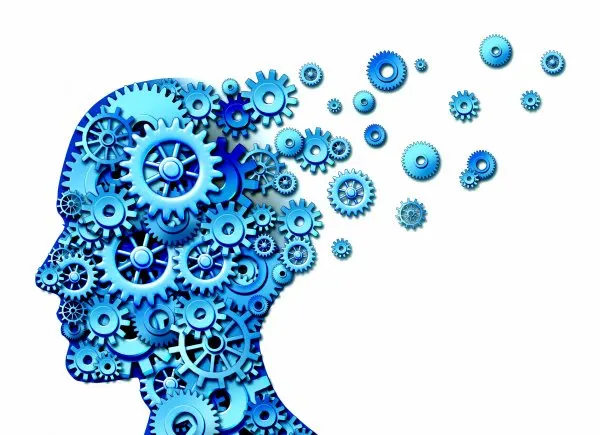
In the world, ALS (Amyotrophic Lateral Sclerosis) and Motor Neuron Disease are generally used interchangeably. The 2 groups of nerve cells in the system that controls voluntary movements (the pyramidal system) are called motor neurons. The nerve cells in the part extending from the brain cortex down to the spinal cord are called the first motor neurons (upper motor neurons). The electrical impulses generated in the motor center of our brain are conveyed down to the spinal cord by nerve cells called the first motor neurons (alpha motor neurons). In the area of the spinal cord called the anterior horn, the second motor neurons (lower motor neurons) begin. The electrical impulse transmission between the first and second motor neurons takes place through chemical processes in a gap called the synapse. The electrical impulse transmitted to the second motor neuron across the synaptic gap is carried from the spinal cord to the relevant muscle area. It is this electrical impulse that makes our muscles work. Diseases affecting the first and/or second motor neurons are generally called Motor Neuron Disease. ALS is only one of the diseases that affect these nerves. Although the cause of the damage to motor nerves is not known, the disease is neurodegenerative, meaning destructive. Certain environmental factors such as agricultural chemicals and heavy metals, hormonal disorders, vitamin deficiency, viruses, cancer and many other factors have been suspected of causing the disease, but there is no sufficient evidence for any of these.
Who gets ALS?
ALS is not an infectious disease and can occur in people all over the world and from all walks of life. It is slightly more common in men. The average age of onset is 55. However, it can also occur at a very young age or at a very advanced age. About 2-6 out of every 100,000 people have ALS.
What are the symptoms?
Symptoms are not the same in every patient. Usually, weakness or thinning in one arm or leg is the first symptom the patient notices. For example, holding a pen, buttoning a shirt or carrying a bag becomes difficult, or the patient trips while walking. In some patients, the disease begins with difficulty speaking or swallowing. The patient or their relatives may notice slurred speech or a nasal-sounding voice. Muscle twitching, pain and cramps may accompany these symptoms. Uncontrollable crying or laughing may occur.
What are the risk factors for ALS?
Of all ALS patients, 90% have sporadic (individual) ALS and 10% have familial ALS. Half of familial ALS cases are hereditary.
Therefore, it can be said that the disease is, for the most part, unrelated to heredity. Another characteristic of ALS patients is that they tend to fit a certain personality profile. These patients are generally people who have risen in their careers and are intelligent, emotional and creative. Some epidemiological data have led to the idea that a relationship exists between this disease and excessive exertion or certain chemicals; however, there is no definitive conclusion.
Is early diagnosis possible? Are there stages of the disease?
Weakness spreads over time from the area where it began to other regions such as the arms, legs, tongue and throat (pharyngeal) muscles. Due to muscle wasting, weakness and twitching throughout the body, the patient's daily life activities may be restricted. The patient may be unable to work alone. They may not be able to eat, dress or bathe. They may even be unable to get out of bed. The critical period of the disease is when the respiratory muscles also become weak. The patient needs fast and close medical support. The course of ALS differs in each patient. Although survival time with the disease is generally given as 4-6 years, there are many patients who live 10 years or more. There are ALS patients who live more than 20 years with good medical and social support. The reason for this difference is not fully known.
How is it diagnosed?
Diagnosis is made based on clinical symptoms and findings. Nevertheless, since the disease can be confused with many muscle and nerve diseases, certain tests must be performed. The method that helps with diagnosis is electromyogram (EMG) testing, performed by an experienced electroneurophysiologist. Since it may be confused with other diseases, magnetic resonance imaging (MRI) of the brain and spinal cord, some blood and urine tests, lumbar puncture (cerebrospinal fluid examination) and muscle biopsy may be required.
Which symptoms should be considered?
The physician checks for distinguishing upper and lower motor neuron signs, including:
• Muscle atrophy (loss of muscle mass)
• Muscle weakness
• Fasciculations (twitching)
• Increased muscle tone
• Changes in normal muscle reflexes
If the neurologist finds motor neuron signs in at least three areas of the body, a definitive diagnosis of MND can be made.
Is there a treatment for the disease?
Unfortunately, ALS does not yet have a definitive cure. Nevertheless, new drug studies are ongoing intensively. A drug used specifically for ALS patients tries to reduce the amount of glutamate in the body, thereby slowing the progression of the disease. This treatment not only prolongs the patient's life but also, in suitable patients, delays the need for a breathing machine or the surgical creation of an opening into the windpipe (tracheotomy). On the other hand, supportive treatments that keep the patient as comfortable as possible and allow them to maintain a normal life are very important. Today there are many options for patient rehabilitation. These are determined according to each patient's needs.
• Drug treatments for muscle pain, cramps and muscle stiffness (spasticity)
• Psychiatric approach for patients and relatives to treat emotional changes
• Treatment of speech problems together with a speech therapist
• Medication for excess saliva (drooling) and swallowing problems, or feeding through a tube called PEG
• Pain treatment
• Treatment of respiratory problems by tracheotomy or connection to a breathing machine
Start with the right assessment for ALS Disease Loves Intelligent, Emotional and Creative People…
Share your symptoms with our specialist physicians; let us determine the right diagnosis and treatment plan together.
Warning
If your symptoms started suddenly, are progressing rapidly, or significantly restrict your daily life, consult a physician without delay.
Plan your ALS Disease Loves Intelligent, Emotional and Creative People… journey with our specialists.
Fill in the form or book an appointment to learn about treatment options, the process and preparation.